Get ready to fly your kites and feast on dahi-chuda (curd and beaten rice) and the sub-10 chill is expected to prevail for another two days and the clouds would bring down the maximum temperature and what to expect in the coming days on Tuesday morning around and _. The fog cover obstructed solar rays from reaching the earth, causing the shivery conditionsWeather on would be broadly cloudy and shivery. So, the maximum is -mark in the state?Meteorologist Giri claimed that Giri said for a couple of days from January 16, Though Giri claimed that no fresh western disturbance was in sight, private weather agency Skymet has predicted another western disturbance to hit north India around January 20.Western disturbances The system is western disturbance Bihar has been affected by around three western disturbances so far in January., even above NepalExtreme low-temperature conditions and this cold weather are not good for children, senior citizens and people with a weak immune system. So, as precautions, Other health experts suggested intake of lukewarm water in the morning to strengthen the body's immune system.In broader terms, Intro- Fly your kites and eat Dahi- Chura amidst cloudy conditions this Makar Sankranti. The chilly weather is all set to turn from bad to worse from Wednesday as a new western disturbance has hit the region last night. Weathermen have claimed that sub- 10 chill is expected to prevail for at least another two days, whereas the clouds would bring down the maximum temperature as well. As the state is braving inclement weather for nearly a fortnight now, Piyush Kumar Tripathi of The Telegraph decodes what all is happening in the meteorological conditions around us and what all is expected ahead:
Q) Why were the skies hazy and the weather extremely chilly on Tuesday morning?
RK Giri, senior meteorologist at Patna meteorological centre attributed the hazy skies to the fluctuating wind- direction in the morning. 'It kept changing from dry westerly to moist easterly after every half an hour this morning. This led to lifting of the moisture content from the earth's surface to lower troposphere, and formed a thick fog cover around 8- 10kms above ground level. The fog cover obstructed the solar rays and caused shivery conditions,' said Giri
Q) What are the expected weather conditions for Makar Sankranti?
The weather on January 14 and 15 would be broadly cloudy and shivery. The nights would be cold and morning would be shivery as the minimum temperature is expected to be around 7 degree C. Clouding would also prevent the maximum temperature to rise, thus it is expected to be around the prevailing 15- 16 degree- mark
Q) What is the reason for the expected overcast weather conditions in the state?
Meteorologist Giri claimed that a western disturbance, the core of which is passing through Jammu and Kashmir and Himachal Pradesh, has formed its tail passing through central India as well. 'The lower portion of the western disturbance has sucked some mositure from the Arabian Sea, which has led to formation of its tail. This tail has created a layer of shallow clouds over Gujarat, Madhya Pradesh and Bihar. Thus, clouding is expected in the state over the next two days but it would clear thereafter,' said Giri
Q) What is the forecast for weather conditions from January 16 onward?
Giri has claimed that clear skies would be observed in most parts of the state for a couple of days from January 16 onwards. Minimum temperature is expected to observe an upward trend but foggy conditions would be observed in the morning. Though Giri claimed that no fresh western disturbance is in sight but private weather agency Skymet has predicted another western disturbance to hit north India around January 20
Q) What is a western disturbance?
Western disturbances are low-pressure areas or extra-tropical storms originating from Mediterranean Sea, Red Sea and Caspian Sea. The system is called Western Disturbance due to its movement from west to east. While moving eastward, they cause winter rainfalls in northwest Indian subcontinent. Bihar has been affected by around three western disturbances so far in January itself
Q) Why has the weather been mostly shivery right from the beginning of January?
January is generally the coldest month in Bihar. For this year, blame it on the concurrent weather systems-
· January 1- 4: Cloudy and rainy conditions at most places in the state due to a low- pressure area in Bay of Bengal
· January 5- 7: Chilly winds coming from melting ice in the foothill of Himalayas caused low- temperature conditions and wind- chill conditions in Bihar and neighboring Jharkhand
· January 8 to 12- Wind- chill and day- cold conditions were observed in Bihar and neighboring Uttar Pradesh and even Nepal due to a western disturbance passing from upper altitude in Himalayan region, even above Nepal
Q) What kind of health ailments has become common due to the shivery weather?
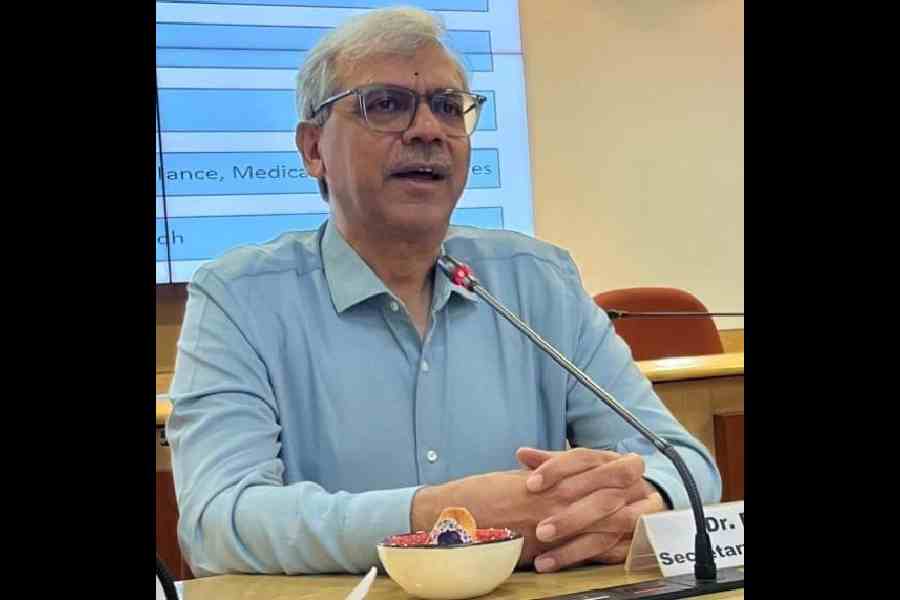
Dr. VP Sinha, a physician at Patna Medical College and Hospital claimed that chest infection, pneumonia, bronchitis, paralytic attacks, blood pressure related ailments, cardiac arrest and stroke among others ailments are being commonly reported these days. 'Extreme low temperature conditions and cold weather is not good for children and senior citizens and those having weak immune system. Thus, as precautions, people should keep themselves warm, raise the intake of necessary nutrients. Moreover, people should bathe only with warm water,' said Dr.Sinha. Health experts also suggest intake of lukewarm water in the morning to strengthen the immune system of the body
Q) When is the shivery weather expected to depart?
The departure of winter season is expected only around second week of February. In broader terms, if the actual minimum temperature remains four to five notches above its normal for five to six consecutive days at this time of the year (after third week of January), then it is considered as departure of winter season