In the modern dressing room of the Women’s Premier League (WPL), the pre-match chatter is as likely to be about sleep cycles and heart rate variability as it is about spin bowling or pitch conditions. For members of the Gujarat Giants, the Apple Watch has been almost a team member. The modern cricketer wants data for every activity that unfolds.
Psychology of performance
The appeal of the Apple Watch often boils down to a surprisingly simple concept: the Rings. Apple’s fitness Rings interface—divided into Move, Exercise, and Stand—has turned the sometimes-gruelling daily grind of a professional sportsperson into something approachable, visual, and, dare we say it, fun.
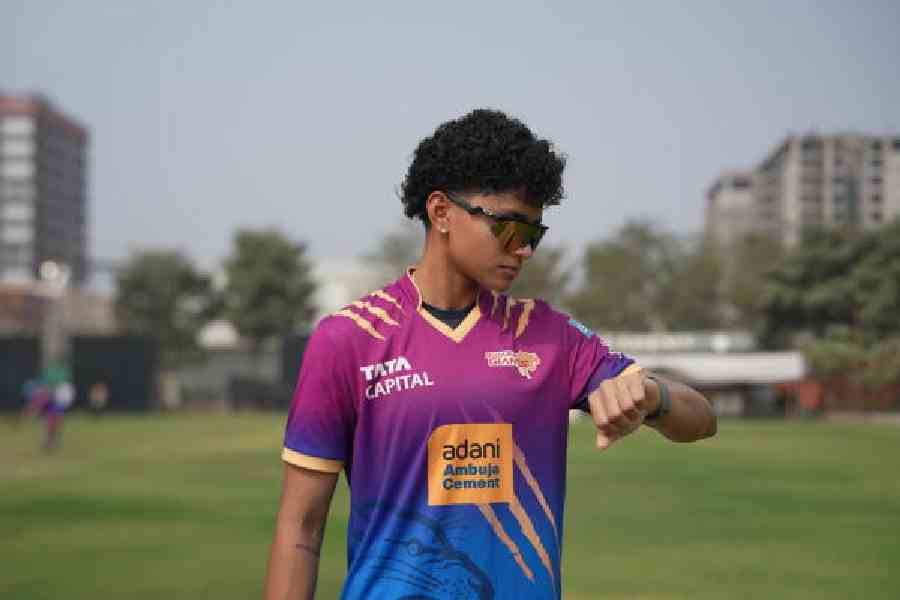
“The workout apps are my go-to thing,” says Kashvee Gautam, the 22-year-old Gujarat Giants star whose rise through the ranks has been nothing short of meteoric. She uses the Apple Watch Series 11. “I like to see how my effort is going and how well I am doing my workouts. I also like to see an overall summary of how many calories are being burned. It’s also about closing those Rings, taking enough steps, and being active all through the day.”
The ‘wrist computer’ isn't just about professional data; it’s about a shared experience.There is a quiet, friendly competitive streak that comes with wearing the same tech as your peers. Whether it’s winning fitness competitions against friends or simply comparing trophies for different accomplishments, the device gamifies the physical demands of the league. It takes the abstract concept of "fitness" and turns it into a tangible daily goal.
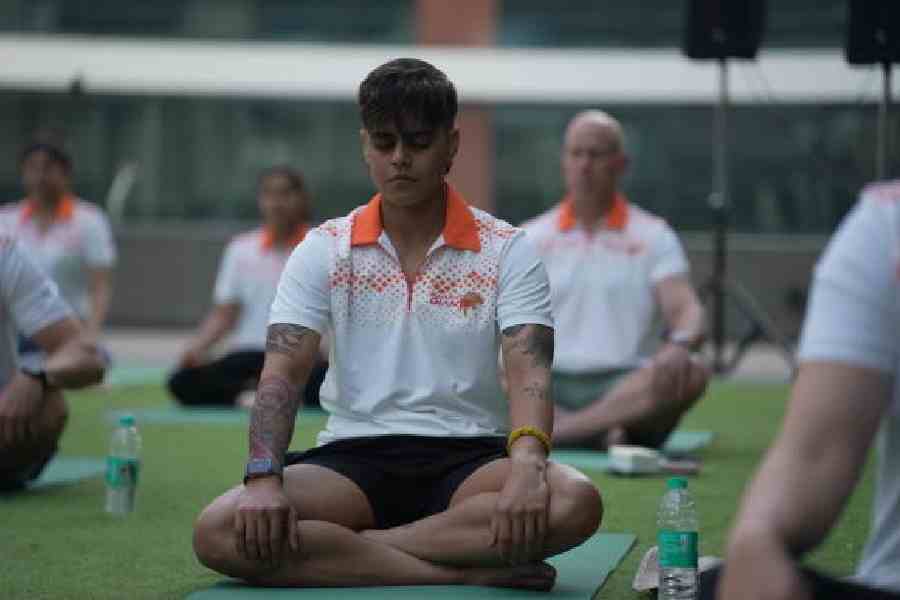
Anushka Sharma, another key member of the Giants squad who is as formidable with the bat as she is disciplined in her training, admits the visual feedback is a powerful motivator. “Whenever you are training and see the Rings staying incomplete, you want to do more,” she explains. It is a subtle nudge, but in the world of elite sport, those small incremental gains in movement and activity add up over a long season.
Sharma particularly appreciates the software's ability to ‘stack’ workouts. In a sport that requires a complex mix of cardio, strength, and skill-based drills, the ability to add multiple workouts sequentially—without the friction of stopping and starting the device—is a small but vital bit of engineering.
The Watch even handles the nuances of a multisport routine. It can automatically recognise when a player switches from a running drill to a recovery swim or a cycling leg,allowing for custom workouts that include warmup and cooldown periods. For an athlete, it removes the cognitive load of data entry, allowing them to focus entirely on the physical task at hand.
Sleep, stress, and the 5am alarm
While the players might be chasing "Move" goals and standing minutes, the coaching staff often has its eye on more sobering, long-term metrics. Gary Brent, the strength and conditioning coach for the Gujarat Giants, uses the technology to manage the most volatile variable in the life of a touring sportsperson: recovery.
“I use it personally for my fitness, but sleep tracking is one of the main reasons,” Brent says with the pragmatic tone of a man who has seen many seasons. “I am getting a bit older, so I look at it more. I have to monitor things like how much sleep I am getting and also my resting heart rate. The ability in the Workout app to do something real-time, without having to run back to the phone, is incredibly helpful.”
For Brent, the challenge is the constant travel across time zones and the irregular hours of a tournament.“Recently, for example, after the match it was difficult to get eight hours of sleep. I usually get up at 5am. My circadian rhythm is out of whack when I come to India because of the time differences. If there are days when I go to sleep at 2am, the body still wants to wake up at 5am. I got the warning sign from the watch that I should be getting more rest. And then I had a full rest day.”
This data-driven approach to rest is what Brent calls “gold". By monitoring Heart Rate Variability (HRV) and resting heart rate, the team can spot the early signs of burnout or illness before they manifest on the pitch. In the Vitals app, players can view overnight metrics — heart rate, respiratory rate, wrist temperature, and blood oxygen — to get a better understanding of their daily health status. They can even view their training load to see how the intensity of their workouts might impact their body over time.
Kashvee Gautam
“I check my Vitals every morning,” says Gautam. “After using them long enough, it has become a habit. If on a few days things are not to our liking, we can change our habits to stay at the top of our game. If HRV is not high, we need to look at drinking more water and being more active throughout the day. It has become a lifestyle. It tells you exactly how the body is reacting to my changing habits, especially on match days.”
For the female athletes in the squad, the Cycle Tracking function offers another layer of logistical and physical planning. Anushka likes this function because it gives an overview of developments unfolding over the coming days. It allows players to plan their lives and training loads around major tournaments, ensuring they are at their physiological peak when it matters most.
However, it isn't all about the clinical science. There is a very human element to why these devices have become so popular in the cricket world: they are versatile and, frankly, they look good.
Brent jokingly admits he’d be the “last person to speak about fashion,” but even he finds himself seduced by the customisability of the device, frequently swapping watch faces and exploring different straps.
For Gautam and Sharma, the "fashion aspect" is a genuine draw. The ability to swap out a sweat-resistant sports band for something more elegant for a team dinner means the device never has to leave the wrist.
“Straps make it fashionable; it goes with your outfit. And it goes with your fitness,” says Sharma. It is this blend of high-end utility and personal expression that has cemented the smartwatch’s place in the modern game.
As our video call draws to a close, Gautam sums up the shift in the modern athlete’s mindset with a piece of wisdom that feels both simple and profound. The smartwatch has moved beyond being a mere gadget; it has become a lifestyle choice that bridges the gap between the person and the performer.
“It simply tells you when to push more and when to take a break,” she says. “It’s a great thing for an athlete.”
In the high-stakes, high-pressure world of the WPL, where the difference between a century and a duck can be a matter of millimetres and milliseconds, that little nudge on the wrist might just be the most important coach they have.