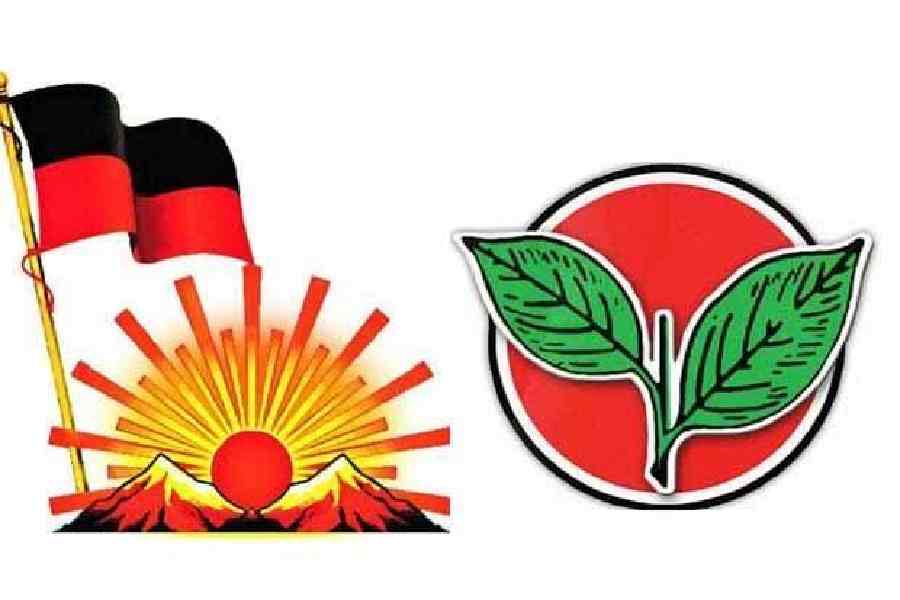
The delimitation debate, which was prised open mid-poll season by the Narendra Modi government in the name of fast-tracking women’s reservation, appears to have gifted the Dravida Munnetra Kazhagam an unexpected brownie point in an election where the Dravidian political sphere is dealing with a newbie, the Tamilaga Vettri Kazhagam, launched by the actor, Vijay. The TVK — the party does not use the word, Dravida, in its name but its icons include Periyar, the architect of Dravidian politics — has situated itself in a political space that has dominated Tamil Nadu’s politics for six decades, alternating between the DMK and All India Anna Dravida Munnetra Kazhagam. By all accounts, the TVK is drawing traction among the youth, and this can impact the entrenched Dravidian parties equally. It is in this context that the delimitation narrative came in handy for the ruling DMK, allowing it to remind the electorate that it alone stands up effectively to the machinations of the ‘Hindi heartland party’ — the Bharatiya Janata Party — aligned with the AIADMK. The attempt to lift the 50-year-old, twice-extended freeze on delimitation, scheduled to end this year, through the now defeated Constitution (131st Amendment) Bill, 2026 fuelled the perception of the Centre’s discrimination against Tamil Nadu. Chief Minister M.K. Stalin led from the front in the push back, invoking memories of the anti-Hindi agitation of the 1960s and warned of an encore.
The question doing the rounds is whether this will be enough to paper over the anti-incumbency factor in a state largely predisposed to alternating between the DMK and the AIADMK from 1984 with a lone exception; more so because the high-on-optics star presence of Vijay has turned the election into a three-cornered contest, raising the possibility of the splintering of the Dravidian vote. If the AIADMK bears the baggage of the company it keeps, the DMK is facing the music over being weak on policing that is manifesting itself as concerns over the safety of women and Dalits, besides drug peddling. Welfare schemes are, as always, an issue in the state which set the template. What the DMK has sought to do under Mr Stalin is create a fresh template with a rights-based approach to welfare schemes instead of packaging them as government patronage. Coupled with a steady rise in Tamil Nadu’s gross state domestic product,
this provides the social justice plank of Dravidian politics muscle against those who scoff at dole politics. The outcome of the polls will thus hinge on a multitude of factors.