Modern misogyny
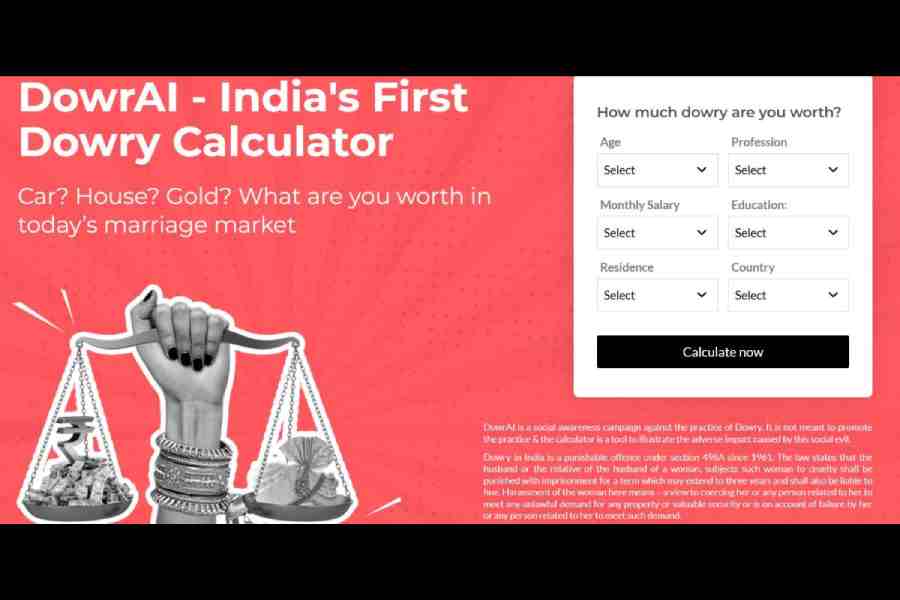
Sir — In a strange paradox, modern technology has been used to give ancient misogyny a digital update, proving that progress can sometimes just streamline outdated ideas. The existence of Artificial Intelligence-powered online dowry calculators turns a serious social evil into an even more dehumanised metric. By applying slick digital design to orthodox traditions, technology has perfected the art of putting a price tag on human beings. Dowry is illegal, yet these digital tools persist in the grey areas of the internet. While some see these sites as a joke, they reflect a painful lived reality for many and openly mock the law. Instead of the government promptly removing political dissent online, it should crack down on such criminal practices.
Sneha Roy,
Calcutta
Dry days
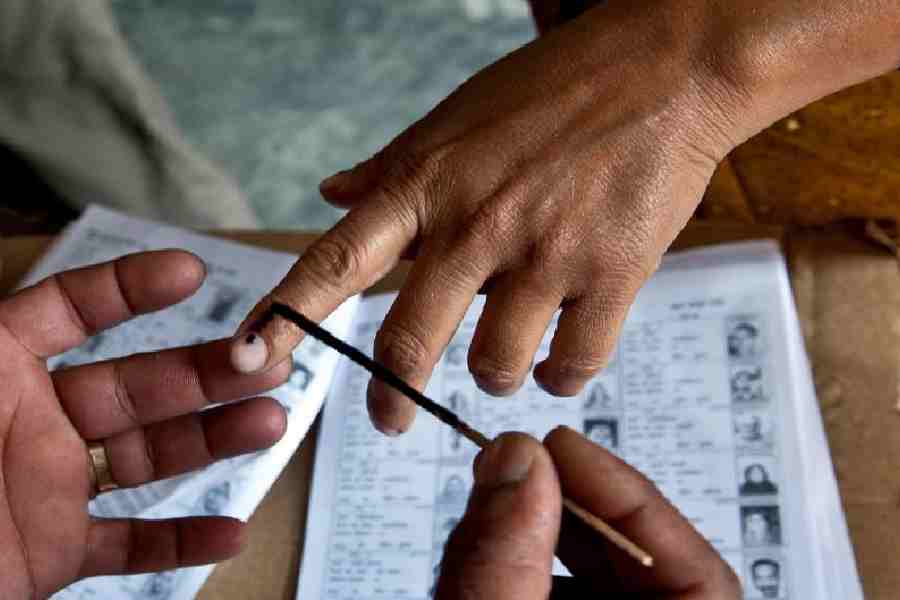
Sir — West Bengal faces an unprecedented spell of dry days due to the ongoing elections (“Pollhibition”, April 21). While these orders by the Election Commission of India shocked the hospitality industry and consumers, EC officials apparently noticed an unusual spike in sales, raising concerns about voter inducement. Under Section 135C of the Representation of the People Act, 1951, liquor bans are mandatory for a 48-hour period ending with the hour fixed for the polling to conclude. Such a scale of prohibition in Bengal has not been seen since the days of the raj.
S.S. Paul,
Nadia
Sir — The EC’s decision to implement dry days in Bengal even in districts that vote in the second phase lacks insight. Customers will most likely bypass the ban by resorting to buying alcohol from the black market or, worse, turning to hooch.
Jayanta Datta,
Hooghly
Sir — West Bengal has 5,000 bars and liquor shops that generate rupees 90-100 crore in sales daily. The state’s liquor and hospitality industries face an estimated loss of Rs 902.5 crore over 9.5 days to keep up with the EC’s illogical decision.
Khokan Das,
Calcutta
Sir — The EC’s decision to ban liquor during polls is a necessary step to ensure free and fair elections in West Bengal. Covert means to buy alcohol should also be sealed.
Debu Das,
North 24 Parganas
Rights denied
Sir — Preventing poor students’ access to education is morally and legally wrong (“Left out”, April 21). In Delhi, a Class VI student is being asked to pay exorbitant fees for continuing her education in a private school. This is a violation of her fundamental rights. The Right to Education Act, under Article 21A, guarantees free and compulsory education for children aged 6 to 14. The Act mandates that private schools reserve 25% of seats for students from economically weaker sections. Despite these protections, low-income families still face admission challenges in private schools.
P. Victor Selvaraj,
Tirunelveli, Tamil Nadu
Sir — Denying free education to EWS students in Delhi is a systemic failure, not an isolated event. Vacant seats and ignored quotas show that weak enforcement undermines progressive laws. The results are severe: many students cannot read basic texts or solve simple math. To fix this, we need stronger monitoring, penalties for violators, and timely reimbursements for schools. Education is a constitutional right. Unless compliance becomes non-negotiable, the RTE Act will remain a hollow law rather than a safeguard.
Veda Chidanand,
Bengaluru
Sir — Implementation of EWS reservations in private schools remains poor due to a lack of effort and deep social divisions. Delayed government reimbursements and financial pressure on small schools are major hindrances to the implementation of the EWS quota. This exclusion leads to poor learning outcomes, especially in foundational literacy and numeracy. It is imperative to ensure timely government reimbursements. We also need alternative, private funding alongside efforts to sensitise classrooms against social stigma.
Prasun Kumar Dutta,
West Midnapore
Sir — Like health, education is now treated as a commodity. United Progressive Alliance-era Acts have been diluted and rendered redundant. The new education policy is causing government schools to close and leading to dropouts. Financial struggles force children to choose earning over learning. Lack of seriousness on the part of the State and high corruption allow private schools to wilfully violate EWS quotas. This trend will eventually lower national productivity, which is already declining.
A.G. Rajmohan,
Anantapur, Andhra Pradesh
Sir — Exclusion from State welfare entitlements is not limited to education; a parallel exists in healthcare for Ayushman Bharat Health card holders at private hospitals. In both sectors, private players find ways to make the poor pay out of their pockets or leave. This exposes a failure of the State. The government’s inability to provide high-quality public schools and hospitals forces the vulnerable to rely on profit-driven entities. Until the State builds robust public infrastructure, citizens will remain at the mercy of reluctant private players.
Harsh Pawaria,
Rohtak, Haryana
Hungry tides
Sir — The tides are rising along with sea levels. Mangroves and Bengal tigers are at risk from the rising saltwater. Migration and trauma are palpable as livelihoods become scarce. Survival requires mangrove restoration, afforestation, shoreline protection, and the dredging of silted rivers. Nurseries, ecotourism, and climate-resilient housing can help address the issues to an extent. Above all, India and Bangladesh must coordinate on policies to save the Sundarbans.
Salil Karmakar,
Barrackpore