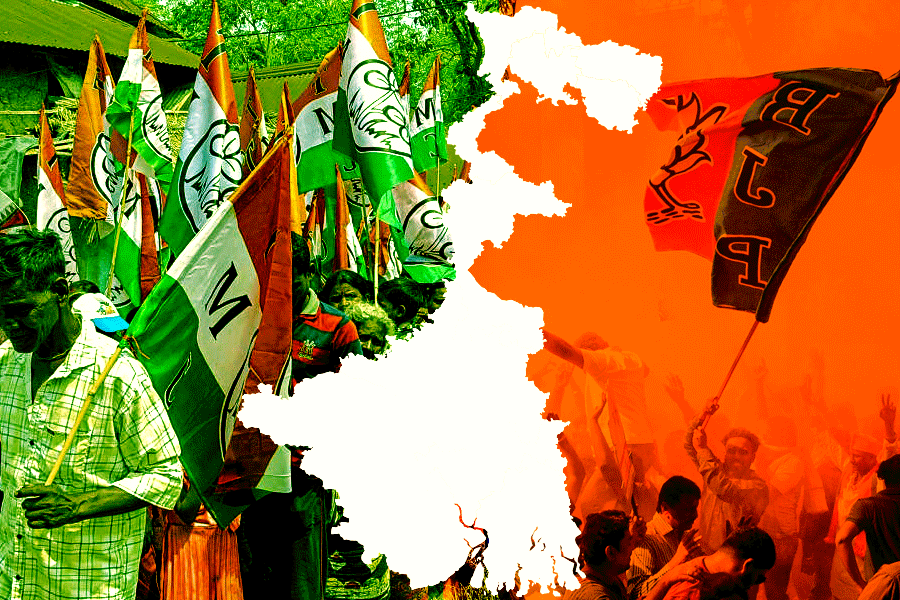
Bengal’s poll bells have begun to toll, with the first phase of the two-part assembly election kicking off today. A total of 152 seats across 16 districts are in the fray on this occasion. Some of the contests would, however, garner greater public interest than others. For instance, Suvendu Adhikari, the Bharatiya Janata Party’s most prominent face, is taking on a former associate and turncoat in Nandigram, a seat that has immense symbolic significance for the Trinamool Congress as well. North Bengal would vote today and the BJP and the TMC will keep a close eye on developments. This is because the TMC is hoping to wrest the initiative in a turf that has traditionally sided with the BJP. Anti-incumbency and polarisation may be the BJP’s principal poll weapons; the TMC, though, would like to capitalise on its tried-and-tested formula of Bengali exceptionalism. Yet, a host of diverse local issues may decide the outcome in a number of seats that are up for grabs today. For instance, in North Bengal, the dominant factors would undoubtedly be Gorkhaland, regional economic challenges as well as the state of the tea gardens. On the other hand, in Murshidabad and Malda, border districts with a high presence of Muslims, the electoral math would have to contend with not just the bogey of infiltration but also the ravages of the Special Intensive Revision of electoral rolls that have left deep scars. Indeed, one of the ironies — tragedies — of this assembly election is that the vote has been preceded by allegations of voluminous and unjust deletions of electors by none other than the Election Commission of India. The ability of these local factors to decide poll outcomes points to the variability of electoral issues that makes Bengal’s elections simultaneously complex and intriguing.
The EC has taken unprecedented security measures to make the election free of irregularities. Some of these measures — such as the long dry-day periods — are unparalleled and have had inimical consequences for commercial establishments. The Central forces along with their state counterparts must ensure that the polling is free of intimidation and that the state is not shamed, as is usually the case, by post-poll violence. There is one more round of polling left. Then, on May 4, Bengal and India would wait for the outcome of one of the most significant electoral battles with bated breath.