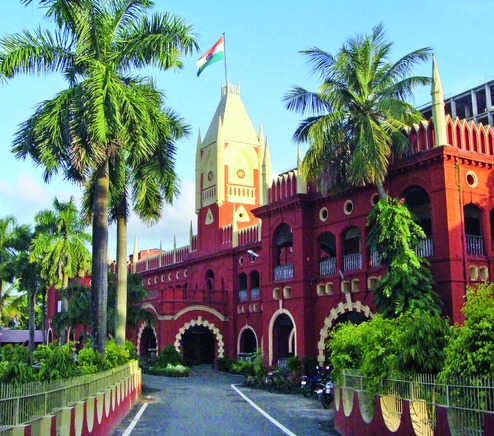

Cuttack: Orissa High Court has ruled that a person from whom illicit distilled (ID) liquor is seized cannot be charged for adulteration if it is found to contain percentages of ethyl alcohol and not methyl alcohol.
Ethyl alcohol is a psychoactive substance and the principal type of alcohol found in alcoholic drinks. It is produced naturally by fermentation of sugars by yeasts or via petrochemical processes and it is most commonly consumed as a popular recreational drug. It also has medical applications as an antiseptic and disinfectant. It is widely used as a chemical solvent either for scientific chemical testing or in synthesis of other organic compounds. It is a vital substance utilised across many kinds of manufacturing industries.
But, methyl alcohol is highly toxic and unfit for human consumption. It is poisonous to the central nervous system and may result in blindness, coma and death.
The high court gave the ruling while considering the legality of a magistrate's order taking cognisance of a charge sheet filed against one A. Konkan Rao by the Berhampur town police after registering a case against him for adulteration of drink intended for sale after seizure of two jerkins of ID liquor from him.
Rao sought quashing of the cognisance order of the court of sub-divisional judicial magistrate, Berhampur on February 15, 2006, in the high court in the same year. The petition had since languished till it was allowed last week. The high court felt cognisance of offence against Rao by the magistrate suffered "from non-application of mind" as there was no material that the article seized from his possession was noxious as drink and which he had adulterated to sell it.
The chemical analysis of samples of the seized ID liquor indicated that it contained 28 per cent ethyl alcohol. But, methyl alcohol could not be detected in the samples tested.
"Since no methyl alcohol could be detected, I am of the view that from the available materials on record, the ingredients of the offence under section 272 (adulteration of food or drink intended for sale) of the IPC are not attracted. Therefore, I am inclined to accept the prayer made by the petitioner and quash the impugned order in taking cognisance of the offence under section 272 of the IPC," the single-judge bench of Justice S.K. Sahoo ruled in his February 5 order.