The Supreme Court on Monday extended by “at least seven days” beyond February 14 the scrutiny of voter documents relating to the Bengal SIR, and show-caused the state director-general of police over complaints of violence, intimidation of poll officials and failure to register FIRs.
The final post-SIR rolls, scheduled for release on February 14, will now be delayed.
On Monday, the Bengal government submitted a list of 8,505 additional state officials for deputation on SIR duty. The apex court said they must report to their district electoral officers or electoral registration officers (EROs) by 5pm on Tuesday.
The bench dismissed an application from Satish Kumar Aggarwal of the Akhil Bharat Hindu Mahasabha that had challenged as “constitutionally improper” Bengal chief minister Mamata Banerjee’s personal appearance on February 4 to argue her case against the SIR process.
The court cited allegations from an NGO and solicitor-general Tushar Mehta that FIRs were not being registered against people accused of burning Form 7s — through which objections are filed against the inclusion of any voter — or committing other kinds of violence.
It acknowledged that the state government had “strongly refuted” these allegations but underlined that it had on January 19 directed the DGP, district police chiefs and collectors to ensure law and order.
“We therefore show-cause DGP to file his personal affidavit in response to the allegations…. We deem it appropriate to afford an opportunity to the DGP to explain on his part,” the court said.
“We will not allow anyone to create any form of impediment (to) the conduct of electoral rolls (revision),” the bench of Chief Justice Surya Kant, Justice Joymalya Bagchi and Justice N.V. Anjaria had earlier orally observed.
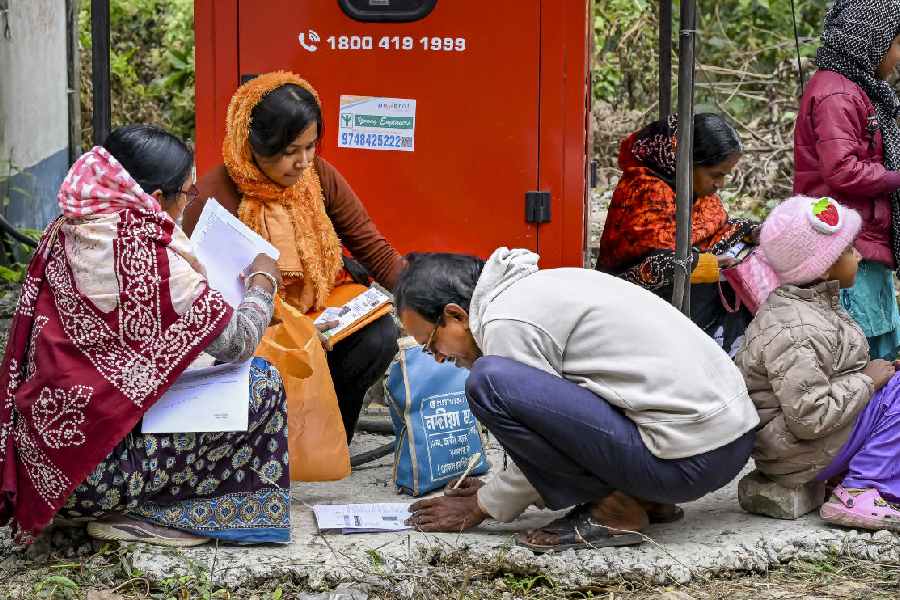
The bench reiterated that poll officials must accept, alongside the 11 documents listed in the SIR notice, those the court had earlier mandated for consideration (the Madhyamik admit card and Aadhaar).
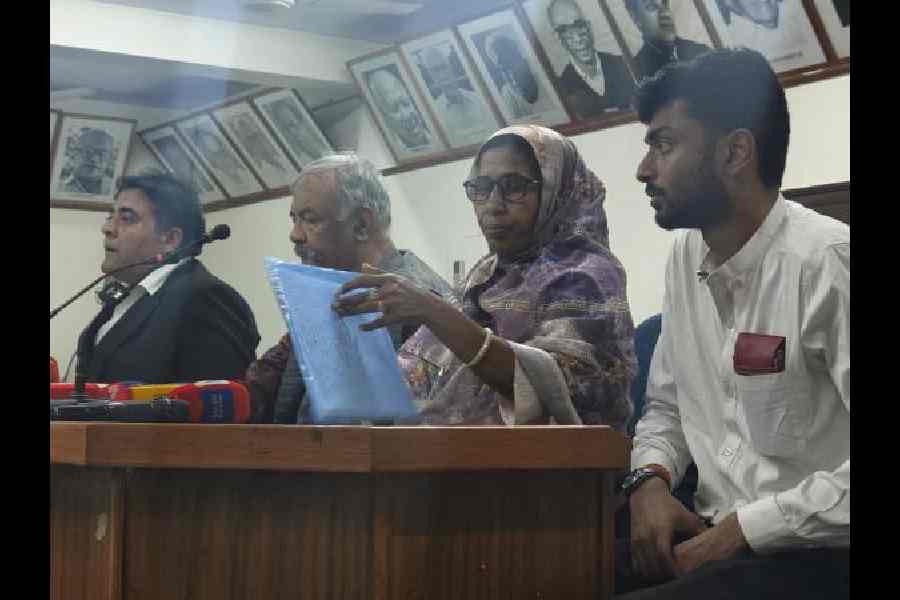
Reports from the ground suggest that the commission has been insisting that these two documents be backed up by those from the list of 11.
The bench clarified that only the EROs and assistant EROs can decide the inclusion or exclusion of a voter’s name, with the micro-observers and the freshly deputed 8,505 state officials authorised only to help them.
It said suggestions had earlier been made that the 8,100 micro-observers — central government officials whom the commission had deployed claiming the Bengal government had not provided enough manpower — might be taking the final decisions.
As for the deadline extension, the court said the verification of the documents of those called for hearings over “logical discrepancies” or Form 7 objections is expected to take some time.
The bench added that the EROs must consider the objections filed against the inclusion of any voter whether or not the complainant had come forward for a personal hearing. It clarified that both sets of documents – submitted by the objector and the person targeted — must be scrutinised.
As for the fresh list of 8,505 state officials, the commission can replace some of the existing EROs and AEROs with them, the bench said.
From the rest of the officials on the list of 8,505, a number equal to that of the micro-observers engaged will be picked and given brief training to help the EROs and AEROs, like the micro-observers are doing.