|
| Lives on |
Patna, April 19: Ban on non bio-degradable plastic bags, enforced by the Union government as well as the Supreme Court, has failed to stop residents from using or purchasing products packed in plastic sachets.
Now, the state government has decided to tackle the menace by clamping a blanket ban on use of all types of polythene in Bihar.
The proposal, which is currently in its preliminary stage, may not be implemented soon as the government does not want any kind of confrontation either with the users or the manufacturers.
Deputy chief minister Sushil Kumar Modi, who also holds the office of forest and environment department, said: “The state government wants a complete ban on the use of any kind of plastic bag, be it 20 microns or 40 microns (in thickness) as it badly affects the environment.”
The central government had recently passed a new rule —plastic wastes (management & handling) rules, 2011 — under the provisions of Environment (Protection) Act, 1986, prohibiting the sale of any product in a plastic carry bag with less than 40 microns thickness. This also included a ban of paan masala sachets, Modi said, adding that the new rule came into force on February 4 this year across the country.
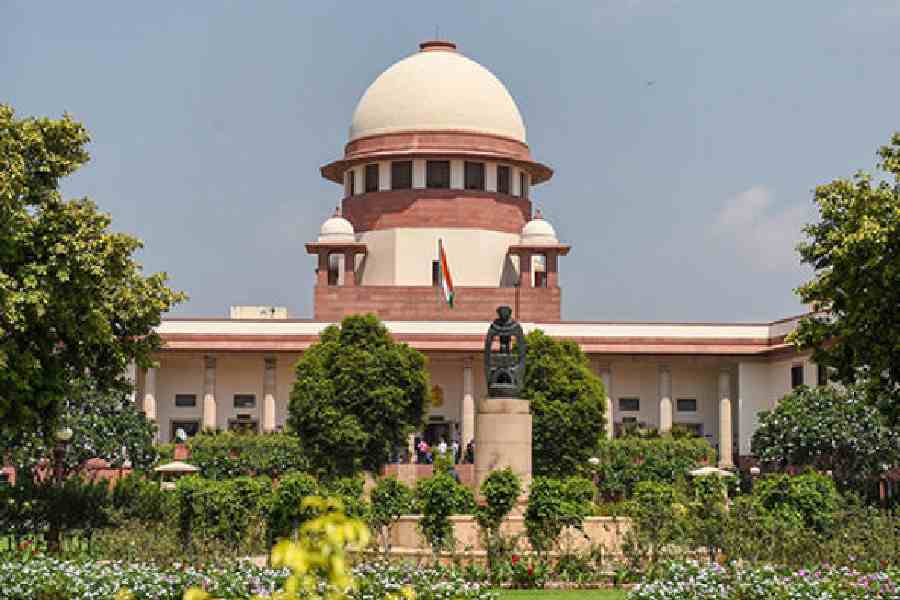
Even the apex court has banned the sale of paan masala in plastic sachets from March 1 this year.
Stating that these polythene bags are non bio-degradable which create environmental hazards, Modi said that many states like Delhi, Punjab, Himachal Pradesh have already banned the use of such products in their states.
Asked about the time-frame by when the ban would be implemented, Modi said, “We do not want any kind of confrontation… we will try to create conducive atmosphere through awareness campaign where the users and plastic manufacturers would be given ample time to be mentally prepared to switchover to alternative business.”
The government would also seek suggestions and objections from the common man, manufacturers and users, and they would be given at least three-month time to give their reasons.