In a world that is constantly evolving, World Book Day serves as a reminder to pause and rediscover the joy of reading while embracing voices from across the globe. Writers and thinkers across the world are writing incredible stories in the comfort of their own language, not letting the universal appeal of English hinder their creative process.
Celebrated each year on April 23, it honours the transformative power of books, marking the legacy of literary greats like William Shakespeare — who was born and also died on this day — and Miguel de Cervantes, who died on April 22. Established by UNESCO in 1995, the day champions reading, publishing, and copyright.
This World Book Day, elevate your reading list with these recommendations by Gautam Jatia, CEO of Starmark, with five remarkable translated titles by award-winning authors. He picks up works that cross linguistic and cultural boundaries and offer rich storytelling, fresh perspectives, and a deeper understanding of the human experience.
Kairosby Jenny Erpenbeck
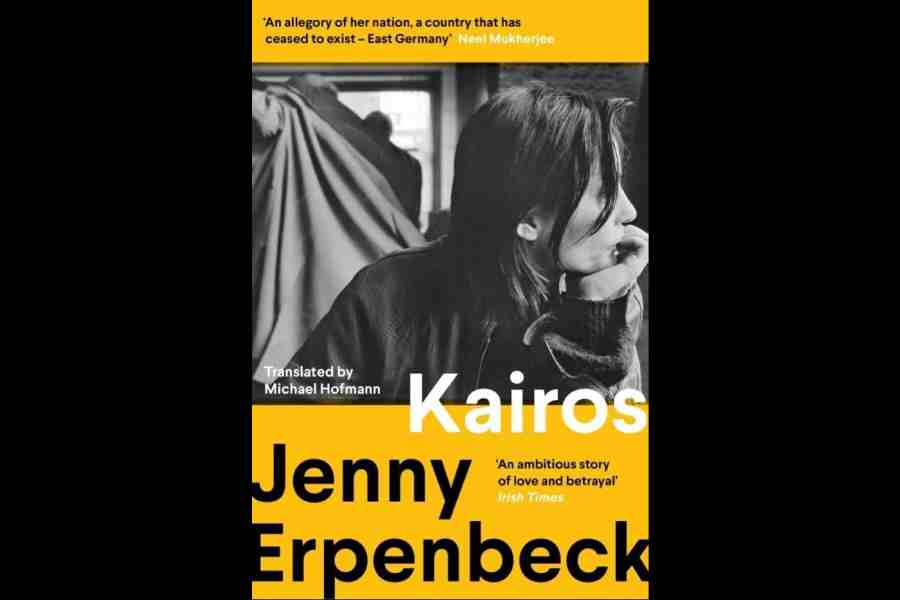
Berlin, 11 July 1986. Nineteen-year-old student Katharina meets married writer Hans, in his 50s, by chance on a bus. Their attraction is instant, intensified by shared passions for music and art, and the secrecy East Berlin demands. After Katharina’s single infidelity, forgiveness turns to control. Love becomes a crucible for cruelty, punishment, and power. As their relationship corrodes, the GDR collapses alongside it. Erpenbeck parallels private decay with political dissolution, questioning how right becomes wrong. Luminous yet uncomfortable, Michael Hofmann’s translation captures her run-on rhythms and emotional precision. A devastating novel of intimacy, history, agency, and loss.
The Witch
by Marie Ndiaye
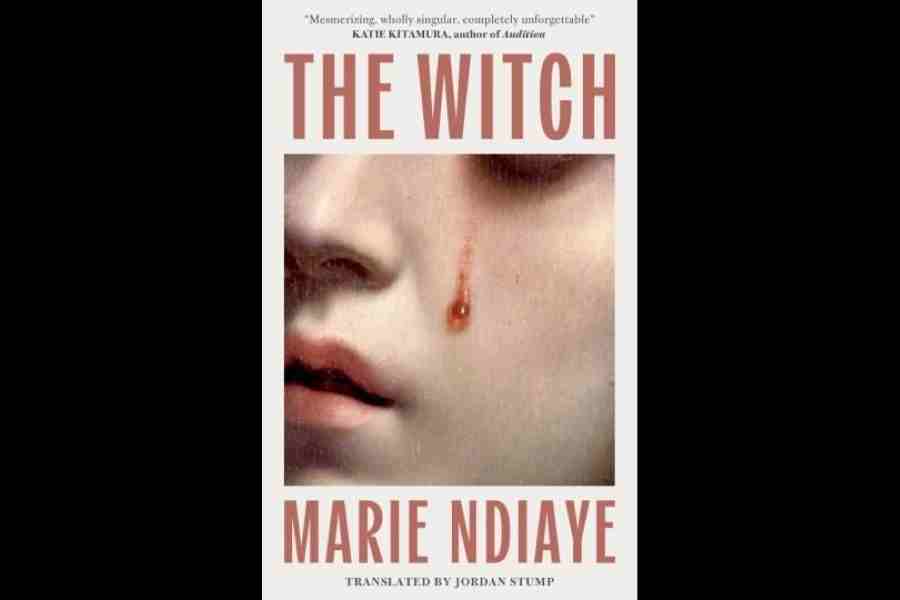
Lucie descends from witches, though her gift is faint — glimpses of distant presents, trivial details like fabric scraps or sky hues. Her formidable mother shamed their magic, perhaps weakening Lucie’s power. At 12, twins Maud and Lise inherit the family’s legacy, weeping blood to signal awakened magic. Their abilities soon eclipse Lucie’s, and they literally fly away. Witty and unsettling, this novel probes motherhood, womanhood, and fractured bonds. As relationships unravel, it asks: who bears blame for family failure, and how do you build a nest no one flees? Originally French, it was shortlisted for the 2026 International Booker Prize.
The Vegetarian
by Han Kang
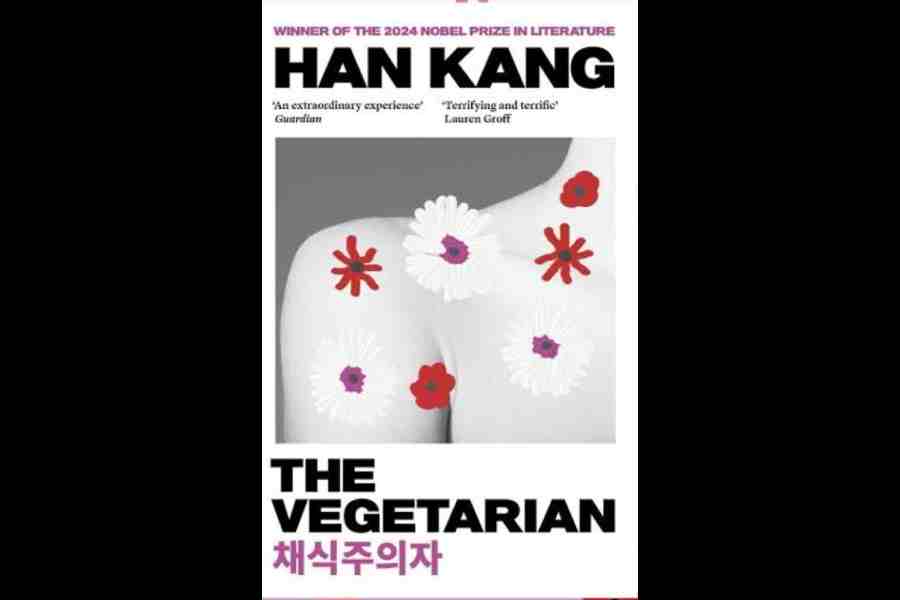
Winner of the 2016 International Booker Prize, Han Kang’s unsettling novel begins with Yeong-hye’s sudden refusal to eat meat after violent dreams. Her choice fractures her Seoul family. Narrated in three parts by her husband, brother-in-law, and sister, the story traces her descent into isolation and rebellion against societal norms, patriarchy, and violence. Yeong-hye’s passive resistance escalates into a radical, bodily transformation as she seeks plant-like purity and freedom from human brutality. Lyrical and disturbing, Deborah Smith’s translation captures the novel’s hallucinatory power. It’s a visceral meditation on desire, shame, autonomy, and the terrifying cost of nonconformity.
Breasts and Eggs
by Meiko Kawakami
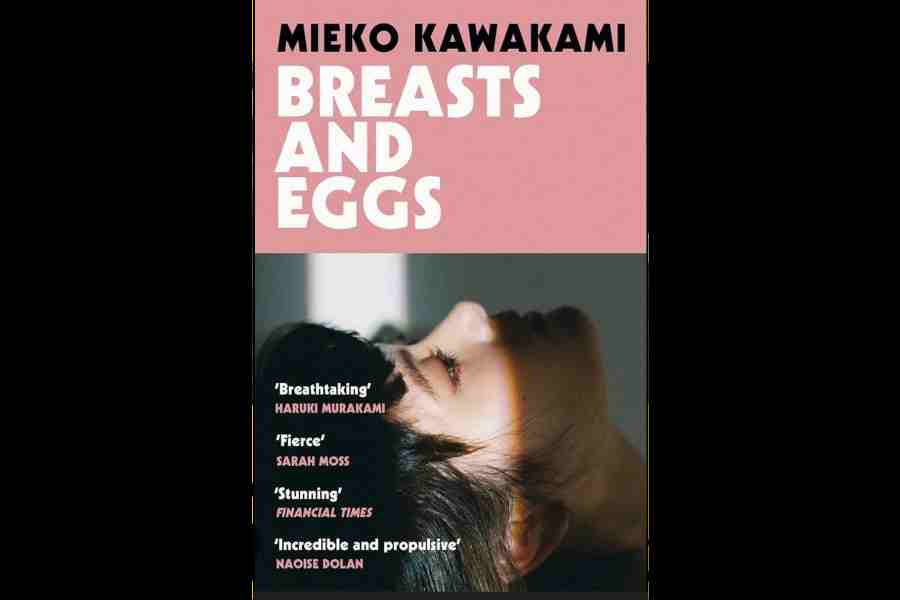
Blending wry humour with raw emotional depth, Kawakami, novelist, poet, musician and blogger, charts contemporary Japanese womanhood through three lives. Thirty-year-old Natsu hosts her older sister Makiko and niece Midoriko in Tokyo, where Makiko seeks cheap breast augmentation. Midoriko, overwhelmed by adolescence, has fallen silent, her muteness forcing each woman to face fears and frustrations with oppressive norms. Ten years later, on another scorching summer day, Natsu returns to her hometown, confronting her indeterminate identity and anxiety about ageing alone and childless. A radical, intimate portrait of bodies, choice, and futures women can truly claim.
Tokyo Express
by Seichō Matsumoto
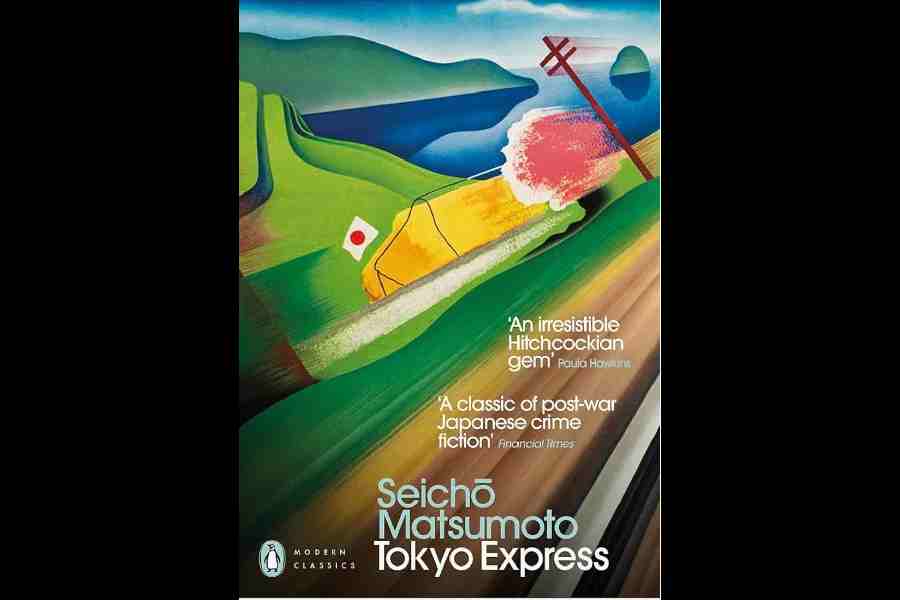
A perfectly plotted, cosy detective story from Seichō Matsumoto, Japan’s master of mystery, Tokyo Express starts with a rocky cove in the bay of Hakata where the bodies of a young and beautiful couple are discovered. Stood in the coast’s wind and cold, the police see nothing to investigate: the flush of the couple’s cheeks speaks clearly of cyanide, of a lovers’ suicide. But in the eyes of two men, Torigai Jutaro, a senior detective, and Kiichi Mihara, a young gun from Tokyo, something is not quite right. Together, they begin to pick at the knot of a unique and calculated crime.
Gautam Jatia is the CEO of Starmark. He is an avid reader and a crossword enthusiast