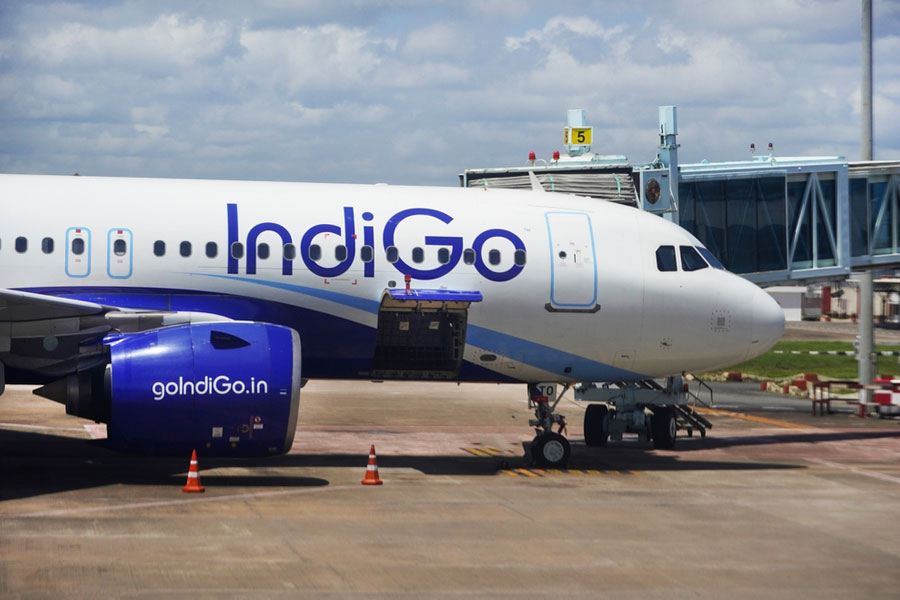
When IndiGo flight cancellations caused massive chaos, newsrooms called in panels to discuss the ‘crisis’. But delays on trains, including the Rajdhani whose fares now match those of a budget flight, feels ‘normal’. Over 23 million people take trains every day, which is 51 times the number of air passengers, and an estimated 20% of long-distance trains experience delays of several hours.
Passengers inconvenienced by the flight crisis were described as the ‘stranded middle class’, officially numbering 4.5 lakh daily flyers according to the Directorate General of Civil Aviation. But what about the beedi-roller in Bihar rushing to a clinic or the daily wage worker from Patna standing for 12 hours in a general compartment? As the sociologist, Ashis Nandy, points out in The Intimate Enemy, the post-colonial elite’s sense of time favours the clock of capital over the rhythms of the struggling classes. This makes waiting seem like a normal part of life for the impoverished.
According to NITI Aayog’s 2024 mobility report, 78% of intercity travel is done by bus and train. People with lower incomes, whose average monthly income is Rs 12,750 (PLFS 2023-2024), are the main beneficiaries of such public transport, which, in effect, is a lifeline, since merely 6-7% of them travel annually.
Media discussions reveal who is considered a ‘consumer’. The pourakarmika crammed inside Howrah’s local trains or the gig worker on unreserved compartments are left out in favour of aviation anchors and urban influencers. Here, heightened outrage over shoddy service by a domestic airline runs the risk of elevating air travel to a privilege while overlooking the misery of the rail system, which faces 1,500-2,000 delays every day. Outrage thus follows the trail of the privileged: a late train with 2,000 passengers is greeted by silence, while a cancelled flight with 180 passengers causes chaos.
As consumerism grows, the conflict becomes more apparent. India is ranked 129 out of 146 nations in the World Economic Forum’s 2024 Global Gender Gap Report. According to the International Labour Organization’s study on informality, 78% of female employees have unstable jobs and are not compensated for their absences. Train delays are thus crippling. According to the NFHS-5, Bihar has a hygienic menstrual uptake of 59%, with open fields frequently being used as temporary restrooms. Imagine dealing with that after standing for hours in unhygienic transportation. Worse, the railway system provides no refunds for delays, which people accept as their fate, while demands for reimbursements for air passengers are responded to. A media variant thus modernises class apartheid, substituting equity with empathy for the elite.
If journalism aims to transform symbolism into a serious structural critique, it must fundamentally change its way of working. It should provide comprehensive information about the 51,000 daily movements on trains compared to the 3,000 on aviation; the latter receives 20-30 times more media coverage. It should support State-funded compensation schemes for unorganised train users, akin to Rajasthan’s gig board, but ensure that the narrative is not dominated by class-coded fury. Without it, coverage would be like Indian consumerism, where the comfortably ensconced take over the conversations of the hardship of others. The media must embrace equity by directly confronting the privileged. If not, delays will represent class conflict that goes unnoticed, rather than just being transportation news.