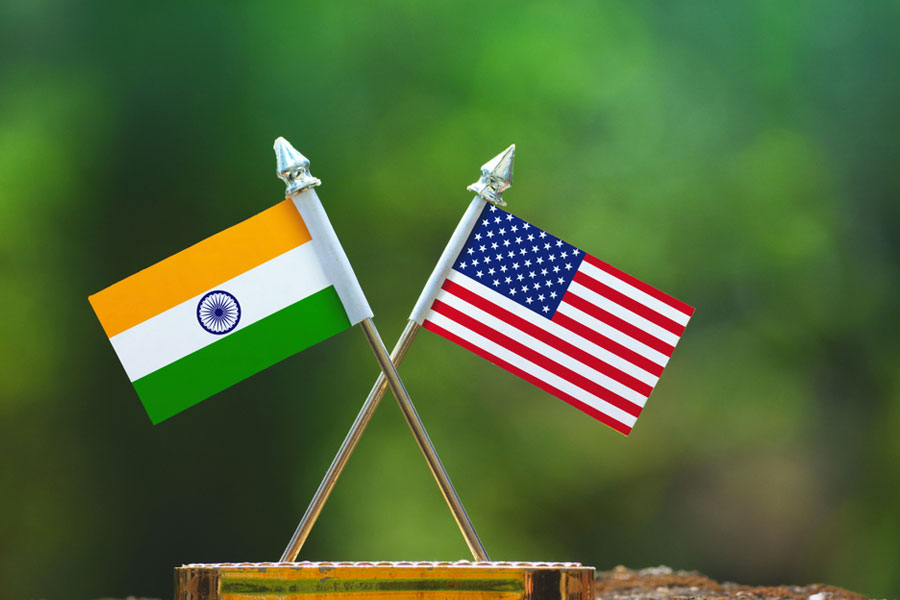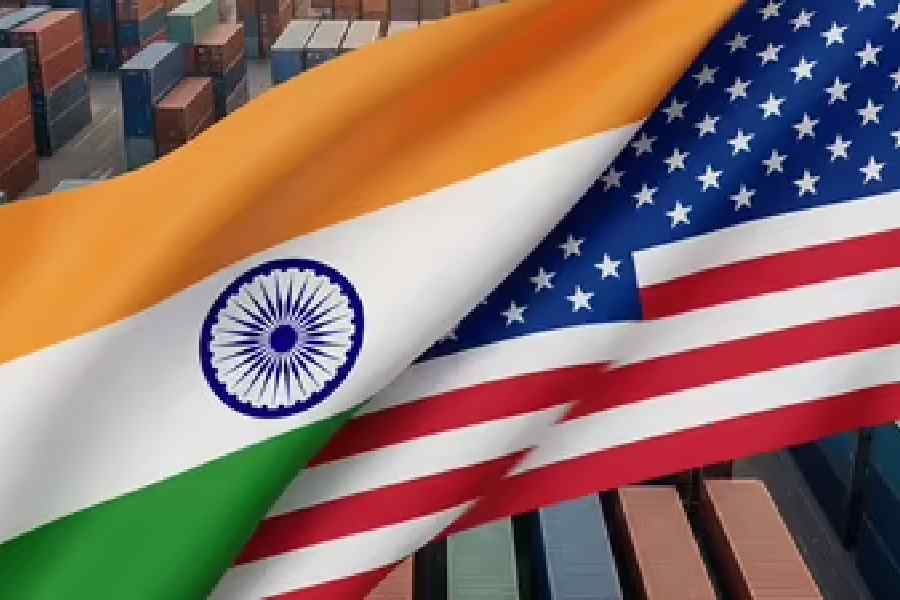
The United States is focused on securing a fair, reciprocal trade deal with India that opens markets for American exporters and delivers benefits to both countries, the US Embassy in India said in an X post on Tuesday.
US trade representative Jamieson Greer met Commerce and trade minister Piyush Goyal in New Delhi on Tuesday to advance negotiations on the interim agreement between the two countries, the embassy said.
Greer's trip follows the first meeting in over a year between Prime Minister Narendra Modi and US President Donald Trump on June 17 on the sidelines of the G7 summit in France.
In addition to uncertainty caused by the trade talks, the death of three Indian sailors in attacks on commercial ships by the US Navy in the Gulf has added to diplomatic tensions.
An initial understanding on trade was reached in February, but uncertainty persists over a continuing US Section 301 probe into alleged overcapacity and forced labour.
New Delhi is seeking a competitive tariff edge over regional peers, including ASEAN nations like Vietnam.
"We are trying to work out with the US how they will ensure that we will get a comparative advantage, so that our exporters can benefit," trade minister Piyush Goyal said on Monday.
Goyal said he would be "happy" if a deal is finalised before July 24, when Washington's temporary 10% tariff on trading partners expires. "The faster, the better."
India will also seek assurances to ensure Washington doesn't levy new tariffs after the deal. India is also wary of further tariff threats if talks stall, a government official said.
Greer's office said the talks are aimed at "achieving fair, balanced, and reciprocal trade".
In February, the two sides agreed to 18% tariffs on Indian goods in exchange for New Delhi lowering trade barriers and buying more American goods. At the time, the tariff was lower than those for competing economies such as Bangladesh and Vietnam.
But a final deal was waylaid when the US Supreme Court invalidated Trump's sweeping global tariffs.
Negotiations have been further complicated by the USTR's Section 301 investigations on India and other countries, which analysts say Washington is using to press India to open its markets for agricultural and other products, and to buy more US energy and defence products.