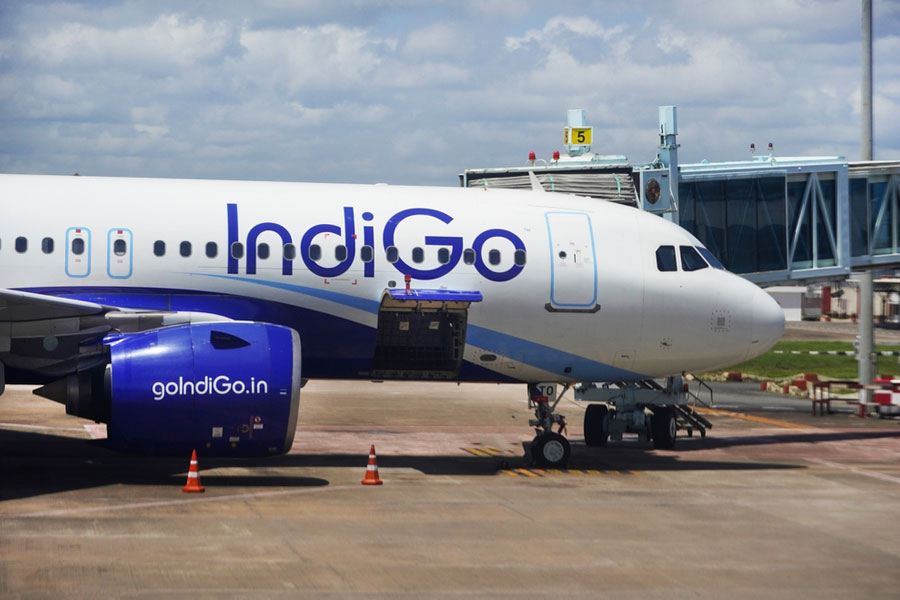
The collapse of IndiGo’s flight network in December that led to considerable suffering for fliers was not accidental. It was the result of months of deliberate under-preparation by a monopoly airline that was ironically aware of the Directorate General of Civil Aviation’s new Flight Duty Time Limitation rules. There are whispers that IndiGo chose not to build the pilot capacity essential for operating under the revised safety norms despite a long, generous runway to comply so as not to undermine profit. The penalty of Rs 22.20 crore now imposed by the DGCA on IndiGo for its many lapses — the sum is less than what the company earns in one day — is thus shockingly inadequate. Passengers are estimated to have lost Rs 2,500 crore owing to IndiGo’s failures during the crisis: yet, IndiGo has been asked to cough up merely 0.31% of the 7,263 crore net profit the airline recorded in 2024-25. The DGCA’s current regulatory framework is partly to blame for this lenience. It could only impose daily non-compliance charges and a one-time systemic penalty. This is a narrow enforcement tool, punishing the breach of a rule over a defined period rather than the consequences of IndiGo’s sustained and intentional disregard for the FDTL. The minuscule fine sets a dangerous precedent — airlines with a dominant pie of the sky could be encouraged to get away with transgressions by paying paltry penalties.
The DGCA’s fine also does not address a basic question: why was IndiGo’s operations allowed to reach a stage where it could meet the revised duty norms only by cancelling flights at scale despite years of notice and a phased roll-out? If pilot fatigue rules are a safety mandate, the DGCA cannot dilute them through exemptions when disruptions hit because that signals that safety standards are negotiable under pressure. The episode exposes structural weaknesses in India’s civil aviation oversight. The DGCA’s supervision is reactive, dependent on post-crisis penalties, and too thin on preventive audits that force airlines to demonstrate readiness before operational stress affects passengers. An inquiry has apparently been launched into the functioning of the DGCA. This is welcome, if it is true. Its findings must be made public. The regulator cannot be immune to scrutiny. Not just errant airlines but the DGCA, too, requires reform. It should be given the powers to penalise airlines for causing passengers inconveniences, mandate time-bound compensation, and enforce audited minimum crew and aircraft buffers. A petty fine cannot deter or prevent the recurrence of December’s flight fiasco.