Historic nomination
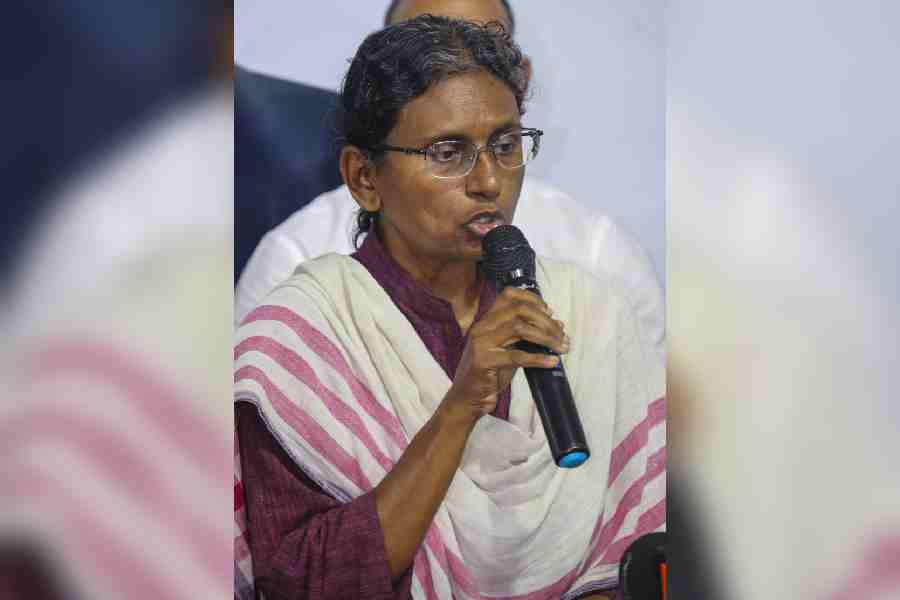
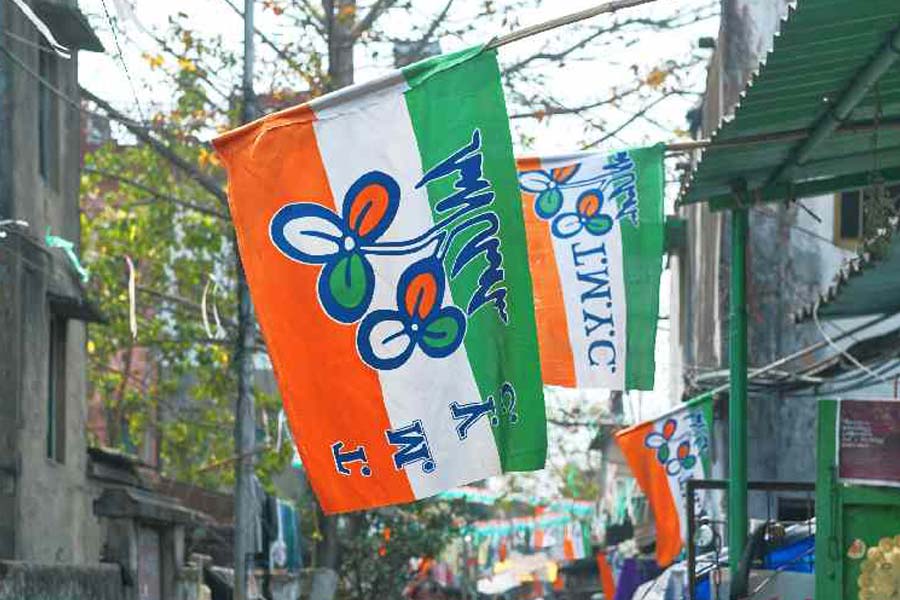
Sir — Political parties often speak of diversity, yet representation remains limited. The decision of the Trinamool Congress to nominate Menaka Guruswamy to the Rajya Sabha signals a change. She will become the first openly queer member of Parliament in India. This development matters because visibility influences public understanding. Section 377 once affected many citizens. Its removal by the Supreme Court was significant. A lawmaker who argued that case may help Parliament approach rights-based issues for the queer community with clarity and responsibility. The TMC must be lauded for this.
Sayantan Basu,
Calcutta
Shallow efforts
Sir — The replacement of Edwin Lutyens’s bust with that of Chakravarti Rajagopalachari at Rashtrapati Bhavan deserves calm reflection (“Colonial hangover”, Feb 27). Rajagopalachari’s contribution to the freedom struggle and his service to newly-independent India merit recognition. Yet framing the replacement of a bust as decisive decolonisation seems excessive. True decolonisation concerns how institutions function and how citizens are treated. Symbols matter, but they cannot substitute reform. Public debate should move beyond celebration and outrage and focus on whether power respects constitutional rights and democratic accountability.
O. Prasada Rao,
Hyderabad
Sir — T.M. Krishna has rightly highlighted that the debate over decolonisation has become unnecessarily polarised in India. This often makes attempts at decolonisation symbolic. Recent changes in criminal law illustrate the limits of symbolic reform. The Indian Penal Code and the Code of Criminal Procedure were replaced by the Bharatiya Nyaya Sanhita, 2023 and the Bharatiya Nagarik Suraksha Sanhita, 2023, respectively. But legal scholars have noted that several provisions remain substantially similar, while some raise fresh civil liberties concerns. Replacing statutes does not automatically transform the relationship between the State and citizens. Decolonisation should strengthen safeguards, limit arbitrary power and enhance transparency in practice.
Prerona Roy,
Calcutta
Guards up
Sir — Cervical cancer remains a serious public health challenge in India with one death reported every eight minutes. Most cases are linked to the human papillomavirus. The decision to provide a single dose of Gardasil-4 to 14-year-olds through government centres is thus a welcome step. Evidence from the World Health Organization supports the effectiveness of a single dose for this age group. The priority now should be clear communication so that parents understand safety, eligibility and long-term benefits.
Ireima Imsong,
Imphal, Manipur
Sir — The proposed roll out of the HPV vaccine offers a practical opportunity to reduce preventable deaths among women. Cost has long restricted access in private clinics where multiple doses are prescribed. A publicly-funded, single-dose strategy lowers this barrier. International studies indicate that high coverage benefits even those who remain unvaccinated. The immediate focus should be on ensuring that registration through the U-win portal remains simple and accessible, especially in rural and low-income areas.
K. Agarwal,
Calcutta
Stay prepared
Sir — The tremors felt across Calcutta following the 5.5 magnitude earthquake near Jessore and Khulna in Bangladesh are a reminder of the region’s seismic vulnerability. Even without immediate reports of casualties, the panic among residents was evident.
Romana Ahmed,
Calcutta