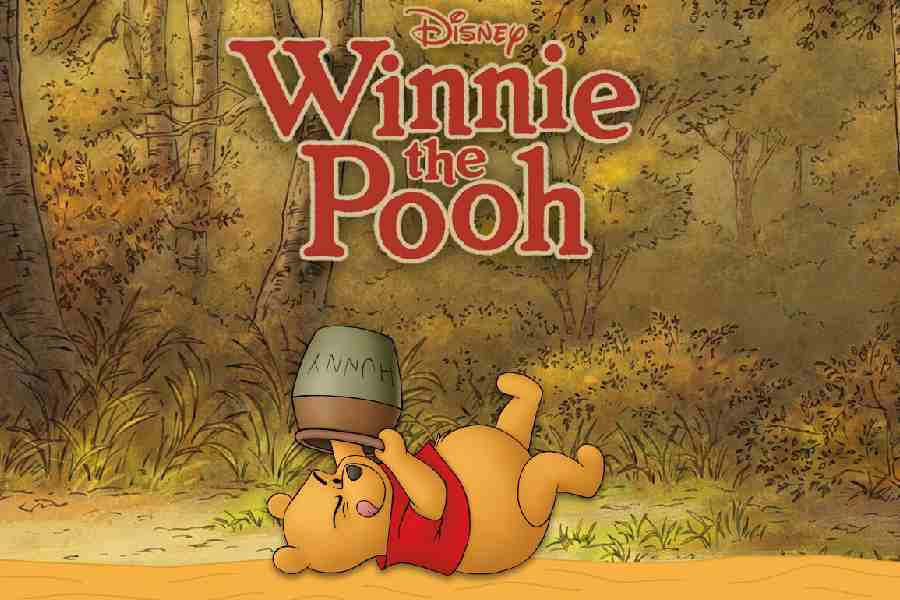
“You are braver than you believe, stronger than you seem, and smarter than you think.” These words from Winnie the Pooh — the bear and his beloved world turn 100 later this year — perfectly capture the fragile but intuitive minds of children. The world created by A.A. Milne is more than a nursery refuge; its endurance lies in its emotional honesty. Pooh’s absent-mindedness, Piglet’s constant fear, Eeyore’s gloom and Tigger’s impulsiveness invite young readers to recognise the signs of their own anxiety, depression, attention disorders and loneliness and give them a language to communicate these. This is important because in a fractious world, children encounter vulnerability before they have the means to comprehend it, and literature can give such vulnerability expression. The kindness with which Winnie and his friends are treated matters as much as their traits. They are neither mocked nor excluded for their struggles. Such stories also teach children that difference is real and that care is a civic duty. Winnie and Co — that is Milne — thus offer an early lesson in mental health
without turning childhood into a therapy session.
In this, Milne’s creation is part of a longer lineage of children’s literature that has introduced young minds to harsh truths that adults prefer to stay quiet about. Johanna Spyri’s Heidi presents the plight of an orphan and a social outcast, while books such as Annie and the Old One and My Grandson Lew confront death directly, refusing the sentimental lie that children are offered as a means of protection from difficult topics. Maurice Sendak insisted that fear belongs inside the pages because it already exists inside childhood. In We Are All in the Dumps with Jack and Guy, homelessness, illness and abandonment are part of the moral landscape. My Father’s Arms Are a Boat allows a child to ask why his mother will never wake again, and answers the query with tenderness rather than evasion. The Flat Rabbit turns grief into a question rather than a lesson, accepting uncertainty as part of human life. Such books respect children as moral thinkers. They recognise that bereavement, dementia, fractured families and injustice are often lived realities for the young.
This recognition is urgently needed. Children are now growing up amid war, climate anxiety, public discussions of genocide, and homes strained by economic insecurity and anger. Fiction for the modern child should and does reflect these shifts and fractures to present the world as it is. Stories about the Holocaust (The Boy in the Striped Pyjamas), books on displacement (Refugee), and climate-centred fiction for young readers all insist that moral education cannot wait for adulthood. Shielding children from history or catastrophe does not preserve innocence; it produces confusion and fear without context. There is an added lesson that literature can impart in a divided world. Books can instil empathy across class, race and nations and train the imagination to recognise suffering beyond one’s own household.
Winnie the Pooh at one hundred is a reminder that the best children’s literature does not distract from reality. They prepare children to live within it with courage and compassion.