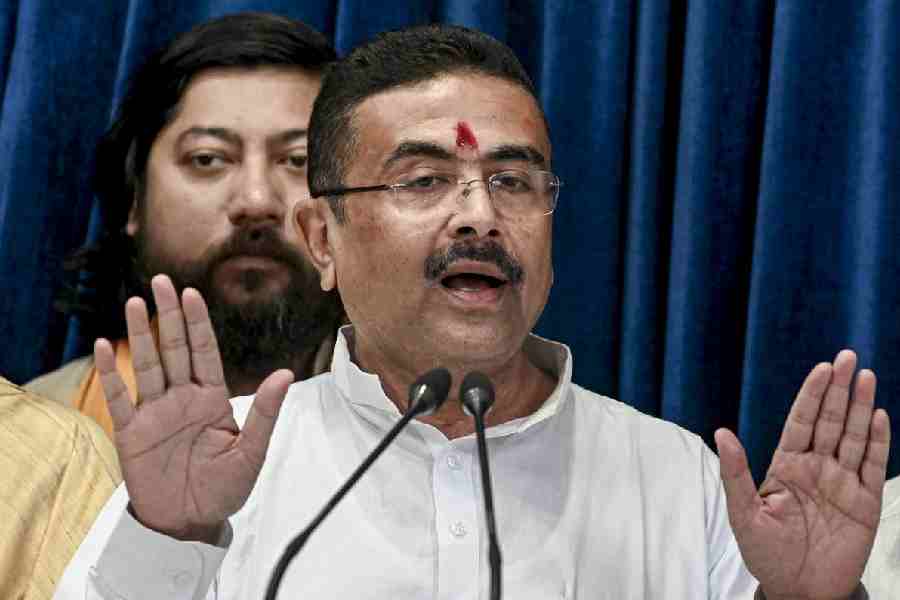
The announcement by the West Bengal chief minister, Suvendu Adhikari, that the state will now implement the Central directive, sent last year, to detect and deport illegal immigrants represents a key test for the new government. Immigrants who had entered India before December 31, 2024 and are eligible for the Citizenship (Amendment) Act, the chief minister has assured, will not be disturbed. Incidentally, the CAA, a contentious legislation, has kept Muslims out of its purview. The decision has unsurprisingly sparked concern among sections of society, especially among those who found themselves disenfranchised by an exclusionary Special Intensive Revision of electoral rolls. Illegal immigration has indeed been a challenge in West Bengal. One of the promises on which Mr Adhikari and his Bharatiya Janata Party campaigned and won the state election recently is to evict illegal immigrants, alleging that the Trinamool Congress dispensation had not acted on the matter when in power on account of electoral prerogatives. The government is justified in seeking the deportation of illegal immigrants. But it must ensure that the modus operandi it adopts follows not only due process but is also consistent with the natural course of justice and jurisprudence. Neither should the endeavour be selective in terms of faith or language: no bona fide Indian citizen must be harassed on grounds of faith. By linking the deportation efforts to the CAA, Mr Adhikari’s government seems to have signalled that some fraternities will be at greater risk than others. Additionally, the government must give all potential deportees the right to redressal. This is especially important given that thousands of Indian citizens, including in West Bengal, do not have documents that establish their citizenship firmly.
The ramifications of this exercise are unlikely to remain limited to the state. It may have serious implications for India’s bilateral ties with neighbouring Bangladesh. The New Delhi-Dhaka relationship deteriorated after the ouster of the former prime minister of Bangladesh, Sheikh Hasina, now in exile in India. There are other prickly issues as well, including the sharing of river waters. Any deportation move carried out without consultation with Bangladesh may lead to a slide in ties. Regional electoral imperatives cannot be allowed to impair international relations. Calcutta and New Delhi must be mindful of this.