It's a green world out there

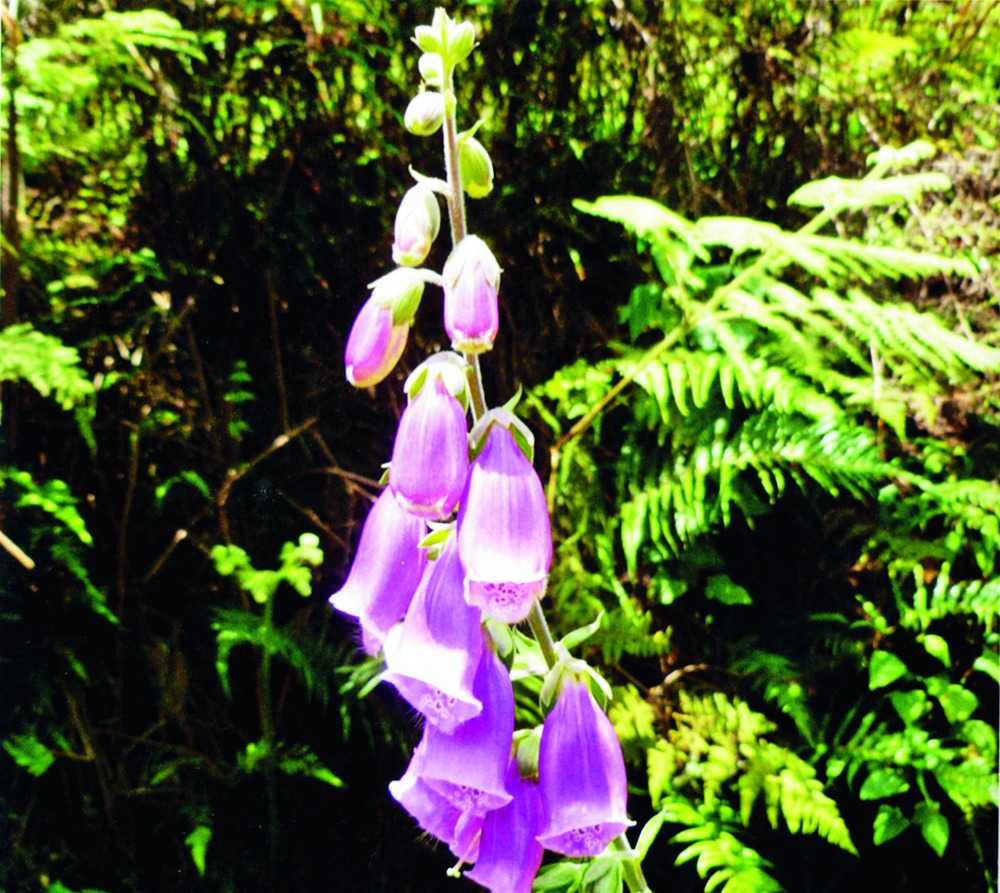
♦ FLORA OF THE SOUTHERN WESTERN GHATS AND PALNIS: A FIELD GUIDE (Niyogi, Rs 1,250) by Pippa Mukherjee records more than 200 species of trees, shrubs, climbers and herbs. Much of the botanical richness of the western ghats - which is one of the six biodiversity hotspots in India - is disappearing because of climate change and human exploitation. This book would be the perfect companion for any amateur naturalist planning to explore India's west coast. Mukherjee lists the common English names and the scientific names of the plants. She also includes local names in vernacular languages. Mukherjee's passion for her subject is evident and her research meticulous. However, Mukherjee says that she has left out rare plants as they are on the verge of extinction. This is strange. The threat should have added to the urgency to document these species so that at least some of them can be saved.
♦ SUBCONTINENTAL DRIFT: FOUR DECADES ADRIFT IN INDIA & BEYOND (Aleph, Rs 399) by Murray Laurence paints a quaint picture of India in the 1970s before it stumbled upon information technology. As in numerous other accounts by foreigners, here too, the Indians encountered by Laurence are eccentrics who shriek at him in stilted "angrezi". Laurence's tales are pegged on his journeys in this "exotic" land, but there is little about what he sees in these places. He chooses instead to write about the lazy clerks, smarmy guides and naked sadhus of India. The section that chronicles his visit to China, Vietnam, Indonesia and Thailand is as full of clichés. It is evident that Laurence spends considerable amount of time reading reviews of his books. Quite a bit of the preface is dedicated to quotes from these.

♦ SPELL OF THE TIGER: THE MAN-EATERS OF SUNDARBANS (Aleph, Rs 299) by Sy Montgomery tries to trace the source of the wonder and dread that are evoked by these big cats. Montgomery's awe of the forest is apparent in the descriptive passages where she narrates her first impression of the Sundarbans. Just when it seems that the dramatic sentences are all that is there to the book, the narrative changes. Montgomery focuses on the lores surrounding the tiger and the lives of the people who revere and fear it. Not only is the book a plea to save the tiger, but it is also brilliantly captures the rich anthropological history of the region. Montgomery visits the bidhoba villages of the Sundarbans and writes about the condition of the women whose husbands have fallen prey to man-eaters.