False
alarm
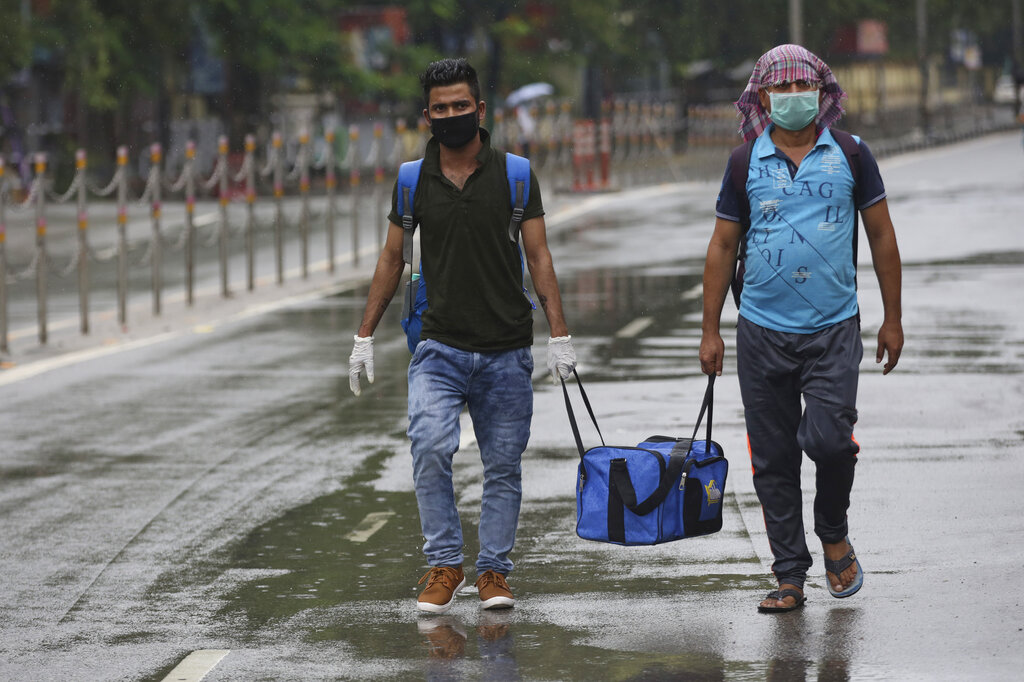
Sir — The recent ‘War Lockdown’ forward on WhatsApp was a masterclass in how a well-crafted PDF carrying the symbol of the Ashoka emblem can rattle even the most composed. The viral notice claimed that a nationwide lockdown was being imposed due to the conflict in West Asia. It urged citizens to stay indoors and prepare for a shutdown. Yet, those who opened the file were greeted by the words, “April Fool”. A PDF bearing a government logo is supposed to be deemed credible. The prank thus shows how our collective trauma of the pandemic-era lockdown still operates on a hair trigger.
Mrittika Roy,
Calcutta
Green targets
Sir — India recently declared its Nationally Determined Contribution for 2031-2035. It reflects the country’s continued commitment to combating climate change (“Green ambition”, April 1). However, ground-level implementation requires thorough public engagement. While India has expanded renewable energy and reduced emissions, new targets may prove difficult to achieve due to economic, technological, and infrastructural challenges. For a developing country, striking a balance between economic growth and environmental responsibility is a complex challenge.
Bal Govind,
Noida
Sir — India’s green transition is integral to its development. Clean energy and sustainable practices improve public health and productivity. A reduction in the Air Quality Index eases healthcare burden. Foresight should guide policymaking.
Harsh Pawaria,
Rohtak, Haryana
Welfare dilemma
Sir — Debdulal Thakur’s article, “Partial solution” (April 1), offers a timely critique of West Bengal’s welfare framework. While schemes like Lakshmir Bhandar provide essential support, the growing dependence on cash transfers raises concerns about fiscal sustainability. With the state budget for 2026-27 seeing a revenue deficit exceeding Rs 20,000 crore and a high debt-to-gross state domestic product ratio, the scope for job-creating investments is shrinking.
Cash transfers must not be a substitute for employment given the high unemployment rate. A calibrated shift is needed: linking welfare to skill development, expanding subsidies in sectors like textiles, and strengthening urban apprenticeships. As the state begins a new fiscal cycle, the priority must be to ensure that social protection complements investments in growth and employment. Welfare should be a bridge to economic mobility, not a permanent equilibrium.
Vidyasagar Reddy Kethiri,
Warangal, Telangana
Heat threat
Sir — With summer setting in, the threat of heatwaves looms large, putting zoo animals at risk of dehydration and heatstroke. Many zoos across India are ill-equipped to handle this sweltering heat. Cooling measures such as sprinklers, fans, and air coolers must be kept functional in every zoo. Nut grass coverings, misting systems, and rain guns can help regulate enclosure temperatures. Additionally, zoo authorities must ensure a balanced diet with water-rich foods like watermelons for the animals.
Ganapathi Bhat,
Akola, Maharashtra
Fair step
Sir — Although Raghav Chadha is no longer the deputy leader of the Aam Aadmi Party in the Rajya Sabha, his focus on people’s issues is commendable. His intervention on mobile recharge plans is an example. For years, telecom companies offered monthly plans that lasted only 28 days, forcing people to recharge more often and incur higher costs. By pushing for a proper 30-day plan in the 2026 budget session, Chadha has taken an important step towards fairness.
Noopur Baruah,
Tezpur, Assam