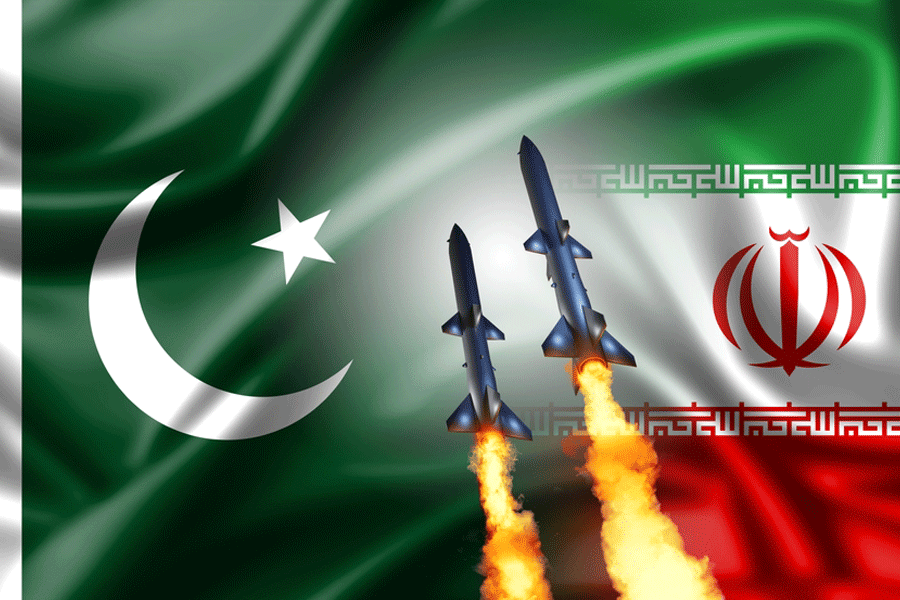
Pakistan on Saturday firmly rejected reports claiming its initiative to facilitate dialogue between the United States and Iran had stalled, calling such assertions unfounded and misleading.
Speculation emerged after a senior official of the Foreign Ministry briefed a select group of journalists on Pakistan’s efforts to find a negotiated settlement of the ongoing conflict.
Foreign Office spokesperson Tahir Andrabi in a statement rejected the media reports as “baseless” and a “figment of imagination”.
“We have noted several reports in the media, including on social media, citing so-called official government sources regarding the ongoing conflict in the region and Pakistan's efforts to promote peace and dialogue,” he said.
“We categorically reject these false insinuations attributed to purported official sources as baseless and a figment of imagination. Any attribution to official sources in this regard is incorrect.”
He said that it was a matter of concern that the briefing held on Friday at the Ministry of Foreign Affairs had been “misrepresented”.
He said that at a time of heightened regional sensitivity, diplomacy requires both discretion and responsibility.
“We therefore urge all media platforms to exercise due diligence, avoid speculation and rely exclusively on officially issued statements and media readouts for accurate and timely information,” he said.
The Dawn newspaper had reported that the unnamed official said some ground had been covered, with messages relayed between Washington and Tehran, but the absence of a clear Iranian signal has slowed momentum at this critical stage.
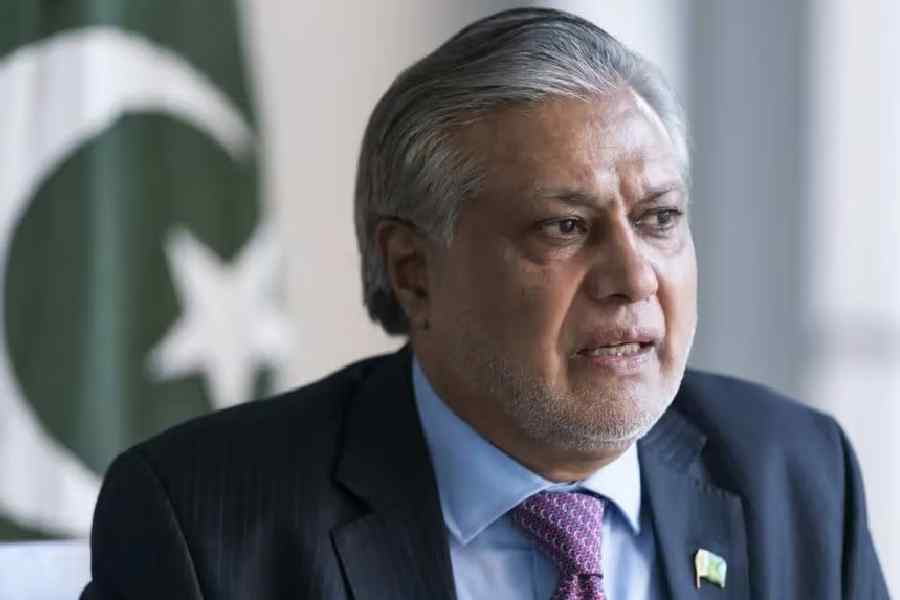
“It is surprising that despite the obliteration of significant naval, air force, and other military and civilian infrastructure, Iran has not responded positively to calls for negotiations,” the official, who is familiar with the discussions, was quoted as saying.
He said both Pakistan and China had urged Iran to engage, but “Tehran has so far not conveyed its readiness to take part in the dialogue”.
He added that Pakistani leaders, despite Tehran not giving a reply, have remained in contact with Iranian President Masoud Pezeshkian and Foreign Minister Abbas Araghchi.
Earlier, Pakistan sprang to action after the war started, partly out of necessity, as it was expected to defend Saudi Arabia in case of an attack by Iran.
Though it has so far failed to arrange a ceasefire, it has managed to keep itself away from the war.
The US and Israel jointly attacked Iran on February 28, killing Iranian Supreme Leader Ayatollah Ali Khamenei and several top commanders.
The retaliation by the Islamic Republic extended the war to the entire Gulf region, significantly impacting energy supply chains, especially across the Strait of Hormuz.