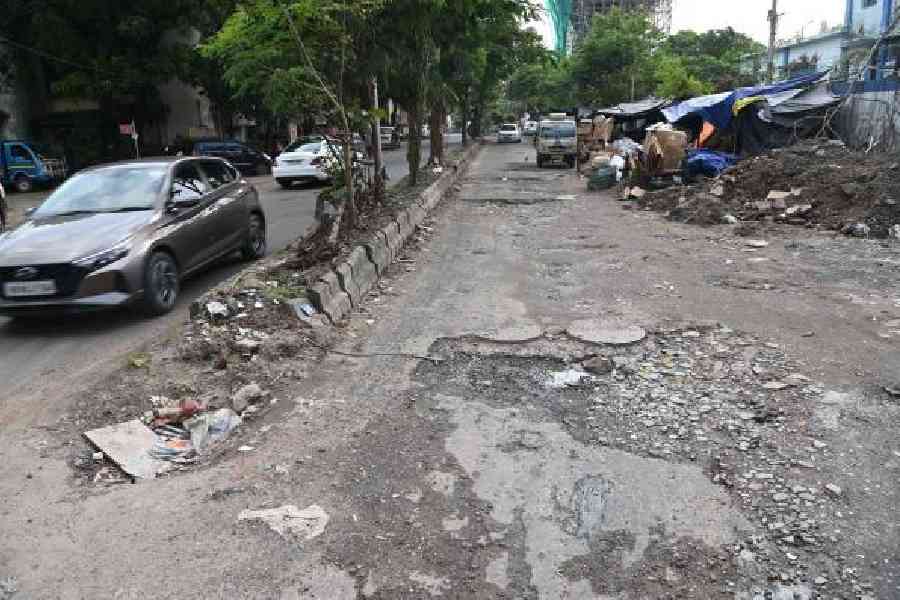
India’s roads would put the surface of the moon to shame. Latest data presented in Parliament show that pothole-related fatalities across India increased from 1,555 in 2020 to 2,385 in 2024, reflecting a surge of more than 53% over five years. Between 2020 and 2024, 9,438 lives were lost owing to potholes, while total injuries during the period stood at 19,956, including 9,670 grievous ones. The state-wise distribution is as revealing. Uttar Pradesh accounted for 5,127 deaths over five years and 1,369 deaths in 2024 alone, constituting more than half the national toll. In 2024, the chief minister of the state ordered that all potholes should be filled by October of that year. Yet, as of September 2025, only 21.67% of that work has been completed. The top five states — Madhya Pradesh, Tamil Nadu and Punjab are among them — together contributed over 80% of all pothole-related fatalities, indicating deep regional disparities in maintenance standards and enforcement. These deaths are the outcome of systemic neglect. Potholes form due to inadequate drainage, poor construction practices, inferior materials, and delayed maintenance. The larger policy imbalance lies in public expenditure priorities. India’s road sector has witnessed record capital expenditure on new highway construction. In contrast, dedicated allocations for ordinary road safety and maintenance remain modest. For 2025-26, safety expenditure stood at a few hundred crore against over Rs 2.7 lakh crore earmarked for highway development. This gap reflects an approach that privileges expansion over preservation. Roads are constructed at scale; yet their upkeep lacks comparable institutional focus and financial discipline.
Global experience demonstrates that such outcomes are avoidable. Germany mandates regular inspections and holds authorities accountable for preventable hazards. India requires a comparable framework. State legislatures must impose explicit statutory obligations on road-owning agencies, whether municipal bodies, public works departments, or national authorities. Contracts should incorporate multi-year performance guarantees with financial penalties for premature failure. Independent audits of construction and maintenance quality, too, should be mandatory and publicly accessible. Public awareness, on improved civic infrastructure being a right, must improve.