The National Green Tribunal (NGT) has upheld the environmental clearance (EC) granted to the proposed International Container Transhipment Terminal project on Great Nicobar Island, concluding that sufficient safeguards were built into the approval conditions.
The eastern zonal bench in Kolkata, led by NGT Chairperson Justice Prakash Shrivastava, delivered the ruling on Monday while hearing objections related to the terminal, an associated township and area development plan, and a 450 MVA gas and solar-based power plant.
The matter marks the second round of litigation over the ambitious infrastructure project. Earlier petitions had challenged the clearances, alleging violations of the Island Coastal Regulation Zone (ICRZ) notification. In April 2023, the tribunal had largely upheld the EC but constituted a high-powered committee (HPC) to review specific environmental concerns.
In its latest order, the tribunal observed, "We find that adequate safeguards have been provided in the EC conditions and in the first round of litigation the tribunal had refused to interfere in the EC and remaining issues noted by the tribunal in the first round of litigation have been dealt with by the HPC and considering the strategic important of the project and taking into account the other relevant considerations, we do not find any good ground to interfere," the tribunal said.
While refusing to intervene, the NGT stressed that regulatory authorities must strictly enforce all EC conditions. It noted that the project’s strategic significance could not be overlooked, but compliance with environmental norms remained essential.
It said, "Hence, a balanced approach is required to be adopted while considering the issue of allowing development of the port on a strategic location."
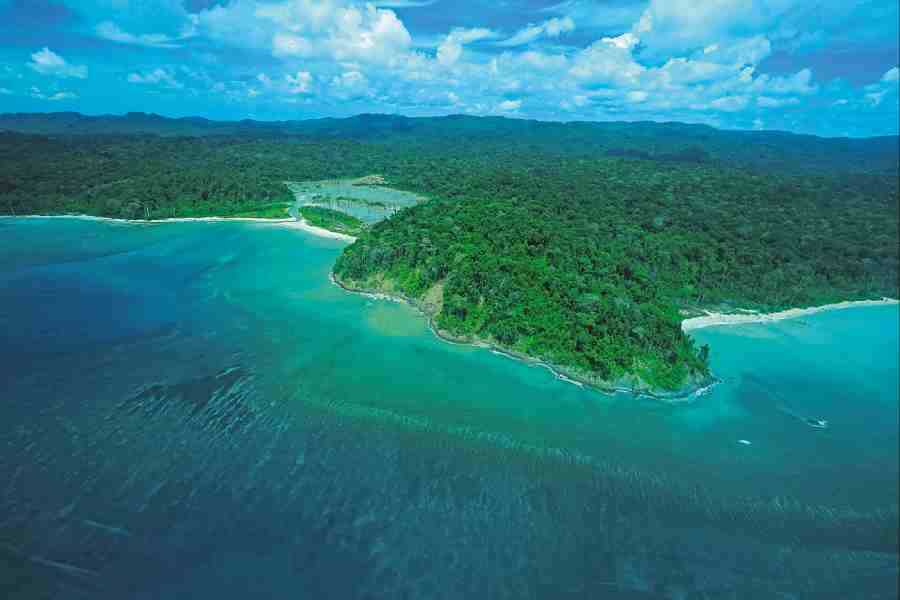
The tribunal recorded that the EC includes specific safeguards for the protection of leatherback sea turtles, Nicobar megapode, saltwater crocodiles, invasive species impacts on native flora, inter-tidal ecosystems, Nicobar Macaque, Robber Crab, endemic bird species, mangrove restoration, coral translocation, and the welfare of the Shompen and Nicobari tribal communities.
The bench further held that there was no violation of the ICRZ notification, but placed responsibility on authorities to prevent shoreline damage.
"However, it will be the responsibility of Respondent 1 (Union environment ministry) to ensure that, on account of the proposed constructions, which include foreshore development, there is no erosion/shoreline change abutting the project area and all along the islands.
"The shoreline of the island will be protected, ensuring no loss of sandy beaches as these beaches provide nesting sites for turtles, bird nesting sites, apart from protecting the islands," the tribunal said.