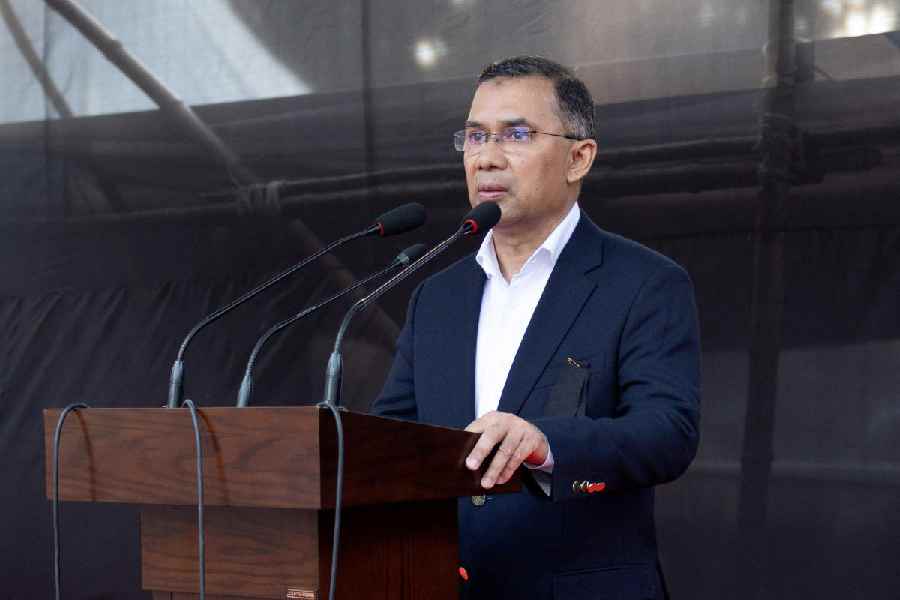
Bangladesh’s election is over. But another referendum, somewhat eclipsed by the electoral results, could define the country’s direction even more definitively than the choice of its next leaders. Alongside the election, Bangladeshis also responded firmly in favour of deep-seated reforms in a referendum. Those proposed reforms are rooted in the so-called July Charter, a list of demands that originated from the student-led protests that ousted the former prime minister, Sheikh Hasina, in August 2024. The reforms proposed in the referendum range from efforts to limit the powers of the prime minister to changing the structure of Parliament. With the ‘yes’ vote winning the referendum, the incoming government of the Bangladesh Nationalist Party under the prime minister-in-waiting, Tarique Rahman, is now tasked with implementing the reforms. As the democratically-elected government of Bangladesh, Mr Rahman’s administration will need to respect the people’s mandate on the referendum and take steps to implement the changes laid out in it. But in doing so, Mr Rahman must maintain a careful balance among the wider aspirations behind the reforms, his own party’s positions on some contentious changes, and the vital need to ensure that Bangladesh’s democracy and pluralism — rather than extreme postures cloaked in the garb of revolutionary ideas — are strengthened through the process.
Some of the principal actors pushing for the reforms, including student leaders and the Jamaat-e-Islami, wanted these changes institutionalised by the unelected administration of the Nobel laureate, Muhammad Yunus, who took over as Bangladesh’s leader after Ms Hasina’s ouster. That reveals a dangerous, undemocratic strain. In fact, Mr Rahman’s BNP is at odds with a key element of the reforms. The referendum calls for an upper House of Parliament chosen by party vote shares in national elections so that parties that won fewer seats because of the first-past-the-post system but secured significant votes, like the Jamaat in the recent election, have better representation. The BNP, however, wants seats allocated proportionate to the seats parties won in the lower House — which would make the two Houses mirror each other. The Jamaat and its allies are likely to make maximalist demands of Mr Rahman. He, however, must act with restraint. Reforms work only if they are driven by long-term foresight and mature leadership. Therein lies Mr Rahman’s test.