Egg on face
Sir — Sadhguru’s claim that eggs are the “worst” food to consume daily is exclusionary and reflects a majoritarian view of nutrition. It elevates one cultural dietary tradition while dismissing the food practices of millions who consume eggs as an affordable source of protein and vitamin B12. India’s food landscape is diverse, and no single dietary preference should be presented as universally superior. Such sweeping statements ignore scientific evidence and the realities of households that depend on eggs for nutrition. Public discussions on food should respect diversity and individual choice.
Lipika Mukherjee,
Calcutta
Change of guard
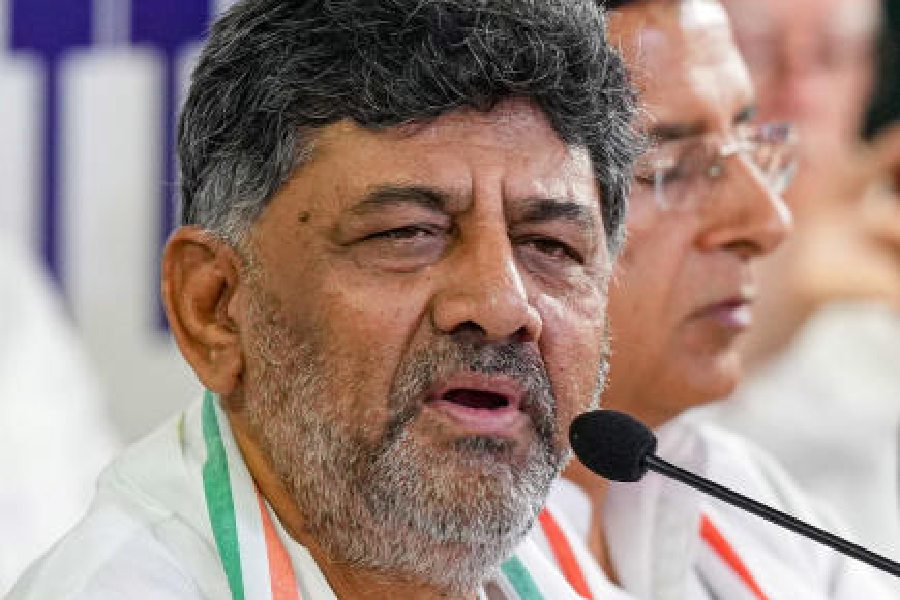
Sir — The leadership change in Karnataka appears to have been carried out peacefully despite a long history of rivalry between Siddaramaiah and D.K. Shivakumar (“Sceptre passes”, May 29). Political transitions often attract controversy, so a smooth transfer of power is encouraging. However, the real test lies ahead. Citizens are more concerned about governance, infrastructure and employment than internal party arrangements. The new chief minister has an opportunity to focus on public needs and demonstrate that political stability can translate into effective administration.
Bablu Sanyal,
Calcutta
Sir — The power tussle between Siddaramaiah and D.K. Shivakumar raises an important point about the limits of caste-based politics in contemporary India. Social groups are becoming more diverse and politically independent. Voters increasingly consider governance, welfare delivery and economic opportunities alongside traditional identities. Political parties that rely heavily on old formulas may struggle to connect with younger generations. Karnataka’s leadership transition could become a useful case study on how parties adapt to changing voter expectations in a rapidly evolving political landscape.
Kiran Agarwal,
Calcutta
Sir — Much attention has been given to the rivalry between Siddaramaiah and D.K. Shivakumar but the larger issue is governance. Bengaluru continues to face infrastructure challenges despite its status as a major centre for technology and innovation. Residents expect improvements in roads, transport and public services. Leadership changes should not become distractions from these pressing concerns. The success of the new administration will depend less on political calculations and more on its ability to address everyday problems.
Rikita Talukdar,
Calcutta
Sir — Regional parties across India are facing increasing pressure as political conditions change. Many were built around specific social coalitions, local identities or dominant leaders. Younger voters often place greater emphasis on jobs, education and economic growth. The developments in Karnataka reflect the broader shifts taking place across the country. Political organisations that adapt to new priorities are more likely to remain relevant. Those that continue to depend on outdated strategies may find it difficult to retain public support.
Moinak Dutta,
Calcutta
Sir — Factionalism can weaken governing parties even after major electoral victories. The Congress secured a strong mandate in Karnataka in 2023; yet much of the public discussion since then has centred on leadership disputes. Voters generally expect elected governments to focus on administration rather than internal competition between leaders vying for the top spot. Political parties benefit from healthy debate but prolonged rivalries can reduce public confidence. The new leadership must ensure that governance takes precedence over factional interests.
Kakoli Das,
Calcuttas