Literary catfish
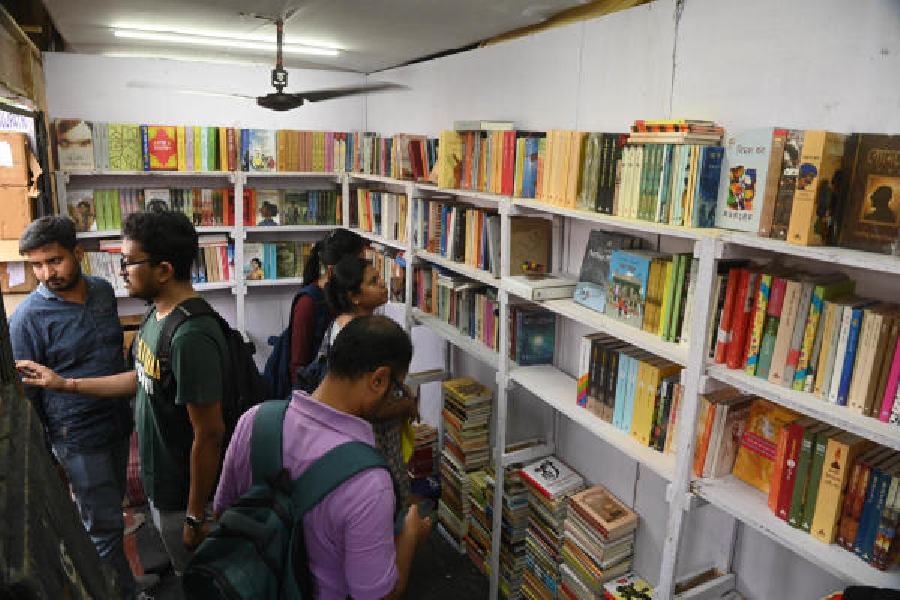
Sir — Swiping right for someone who lists reading as a hobby on a dating app and flaunts a bookshelf on social media has become fairly common. After all, avid readers are often perceived as more attractive and intelligent. However, it turns out that many such self-proclaimed 'bookworms' are merely 'bookfishers', pretending to love books to appear more dateable. The truth usually surfaces during a date when it becomes clear that their knowledge of books falls far short of what their profiles suggest. Perhaps a simple question about the plot might be enough to weed out these literary catfish.
Uttara Mitra,
Mumbai
Avoidable tragedy
Sir — The tragic fire at a Swiss ski resort bar during New Year celebrations is a sobering reminder of how swiftly festivity can turn into catastrophe. Reports suggest that the sparklers attached to the champagne bottles ignited the blaze, drawing attention to the dangers posed by lax safety norms at crowded public events (“Swiss fire linked to sparklers”, Jan 3). Accounts of blocked exits and desperate attempts to escape by guests show how panic multiplies casualties when emergency preparedness fails. The incident underscores an urgent need for strict enforcement of fire-safety regulations at entertainment venues.
S.S. Paul,
Nadia
Sir — The blaze at the Le Constellation bar on New Year’s eve, which killed around 40 people and injured more than 100, ranks among Switzerland’s worst disasters. Preliminary evidence suggests that lit celebratory candles held close to a wooden ceiling in the packed venue may have triggered the fire. The tragedy is a stark reminder of how seemingly minor, careless acts, even if unintentional, can turn an avoidable fire into a deadly catastrophe in crowded public spaces.
P.V. Prakash,
Mumbai
Sir — What should have been a moment of joy at a Swiss sky bar turned nightmarish due to avoidable human error during New Year celebrations. The bar, a luxurious tourist attraction, was crowded for the festivities. Such occasions demand heightened vigilance. Organisers must be especially cautious to ensure that celebrations do not come at the cost of human lives.
D.V.G. Sankara Rao,
Andhra Pradesh
Security cover
Sir — Over the past decade, the number of gig workers across the country has risen sharply, propelled by the spread of digital platforms ("Unfair gig", Jan 2). What began as flexible, supplementary work has now evolved into a full-time livelihood for millions. Yet most continue to be classified as 'partners' or 'independent contractors', allowing platforms to sidestep basic employer responsibilities. Ignoring the demands of gig workers risks deepening economic precarity and the normalisation of exploitation. Addressing these concerns would strengthen urban economies and advance India’s goal of inclusive growth.
Gregory Fernandes,
Mumbai
Sir — There is an urgent need to provide legal protection to gig workers who, through online platforms, facilitate the delivery of goods and services for both small businesses and large corporations. The Central government must enact a dedicated social security law for these workers, covering insurance, healthcare, and disability benefits along with minimum daily allowances.
Brij B. Goyal,
Ludhiana
Sir — Even as India proclaims itself to be the world’s fourth-largest economy, nearly 90% of its workforce continues to suffer from low wages, lack of job security, absence of paid holidays, excessive workloads, and high occupational risks, with no social or financial security.
Tapomoy Ghosh,
East Burdwan