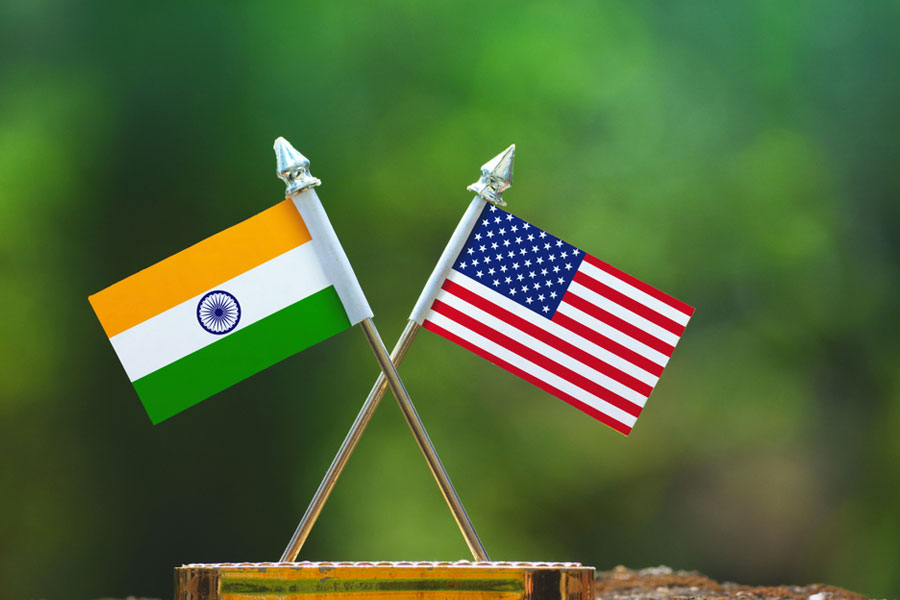
On the margins of the Artificial Intelligence summit in New Delhi last week, India inked two major agreements that could help it actualise the dreams articulated at the conclave. India’s decision to join the Pax Silica grouping of countries led by the United States of America and the agreement the government signed with Brazil on critical minerals and rare earth metals serve as indicators of the rapid changes in the global economy — and how they will shape diplomacy too. From mobile phones to cutting-edge missiles, many advanced technologies rely on rare earths and critical minerals. Yet one country — China — dominates the supply chains of critical minerals: it controls 50% of their production and more than 80% of refining. Through deals with other major mineral-producing nations, including those in Africa, Beijing’s leadership in the sector extends even further. That is a matter of concern for India and its Western partners, including the US. Already, China has shown how it can leverage its dominance over critical minerals as a weapon: during the tariff spat with the US last year, it expanded export controls on refined minerals.
The challenge China’s overwhelming supremacy over critical minerals poses is compounded by the reality that it is hard for any one country to — by itself — even play catch up. The nature of supply chains means that only a coalition of nations, and partnerships with others, can help India safeguard its interests. That is why Pax Silica and the agreement with Brazil — home to the world’s second-largest deposits of critical minerals — matter. The Indian government has also signed similar agreements with Germany while critical minerals are now an area of focus in New Delhi’s relations with the European Union. However, while pursuing this approach of multilateral partnerships, India must continue to hedge its bets. It must steer clear of jingoism and maintain its current supply chains from China to protect its short and medium-term interests. The unpredictable nature of the current administration in Washington under President Donald Trump means that New Delhi cannot trust Pax Silica alone to serve its needs. Hearteningly, India is expanding the mining of critical minerals domestically: it must do so while keeping environmental concerns in mind. Crucially, when it comes to both AI and critical minerals, India must not be just a market but a supplier. That alone will give New Delhi the clout to negotiate future economic deals on its terms.