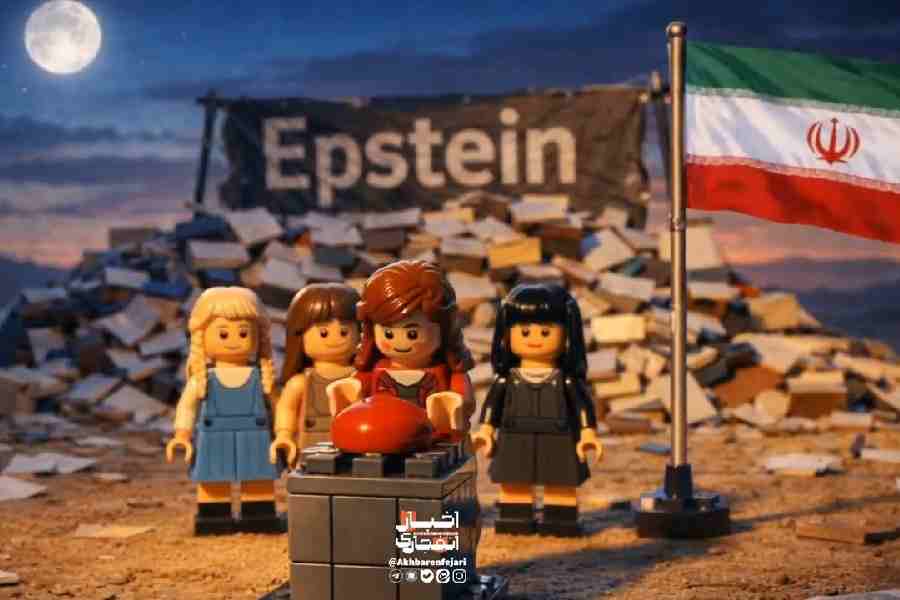
The United States of America’s war on Iran is on pause amid a fragile ceasefire but a parallel battle of memes is still on. While both Washington and Tehran are unsurprisingly claiming wins in their military conflict, there is little doubt that Iran is winning the meme war. From Lego-themed videos set to rap music and biting lyrics to witty social media posts from embassies and senior leaders, Iran’s cutting-edge information warfare is attempting to help it shape the narrative about the conflict. And if Iran’s resilience in the face of the US military juggernaut has surprised some, its meme factories are accomplishing something even rarer. Iran is beating America’s otherwise unmatched propaganda machinery. This US-Iran information war offers valuable lessons for not only those directly impacted by the current war but also other countries, governments and societies when it comes to confronting external adversaries and in dealing with domestic issues.
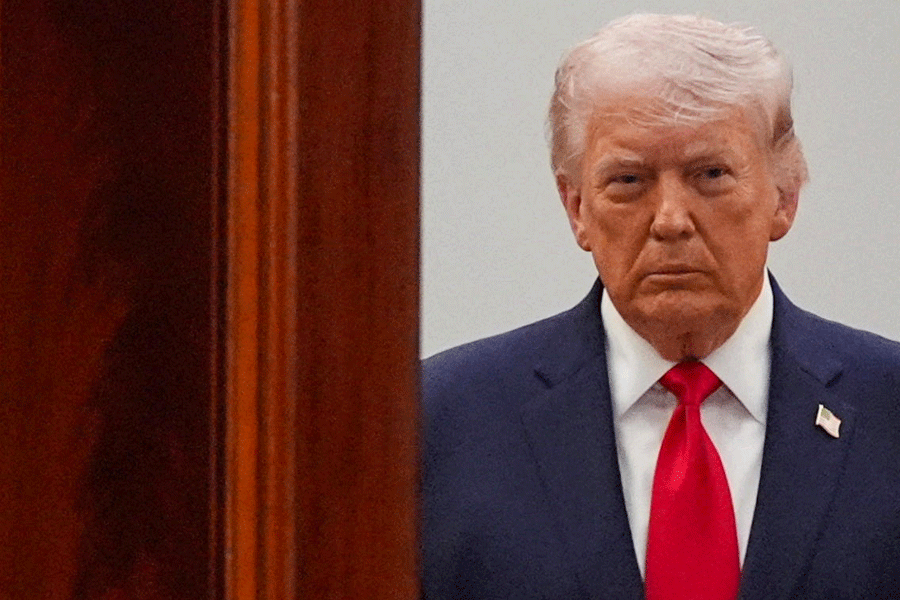
At the heart of any battle of narratives is the target audience. Early in the war, the US president, Donald Trump, and his team tried to encourage Iranians angry at their own government over the brutal crackdown on protesters at the start of the year to rise up against the ruling establishment. They argued that the US-Israeli war would weaken the Islamic Republic so much that a public revolt would succeed. But that same administration then bombed schools, hospitals and universities and threatened to eliminate the Iranian civilisation along with its bridges and power plants, robbing its own messaging of any credibility. Iranian Lego videos too seem to have had America’s domestic audience in mind. They have focused on themes that resonate with sections of the US population — from whether Mr Trump is putting Israeli interests before America’s to rising fuel costs to discrimination faced by racial and ethnic minorities in the US. Iran’s parliamentary Speaker, Mohammad Bagher Ghalibaf, one of several PhD-holding members in the Iranian leadership, routinely uses math and geography to mock Team Trump on social media.
Iran’s meme factory also benefits from an asymmetric warfare that seeks to use both humour and nationalism to rid the regime of its own warts. It has enforced a near-blackout on the internet throughout the war, so the country’s 90 million people have had limited access to foreign messaging aimed at them. Iranians have also been bombarded with nationalist songs and slogans. In some ways, this is the new guerilla warfare. Just as Viet Cong soldiers used smartly-designed jungle traps to beat the US once, Iran’s social media warriors are
outmaneuvering the narrative-building expertise of the US, which has historically relied on Hollywood, pop stars and other celebrities to drum up support for its conquests. To be
sure, other countries have engaged in meme wars too: Indian and Pakistani social media accounts routinely take each other on. But with its low-cost, high-influence meme game, Iran has set a new bar. However the war itself ends, this is one battle that Tehran has already pocketed.