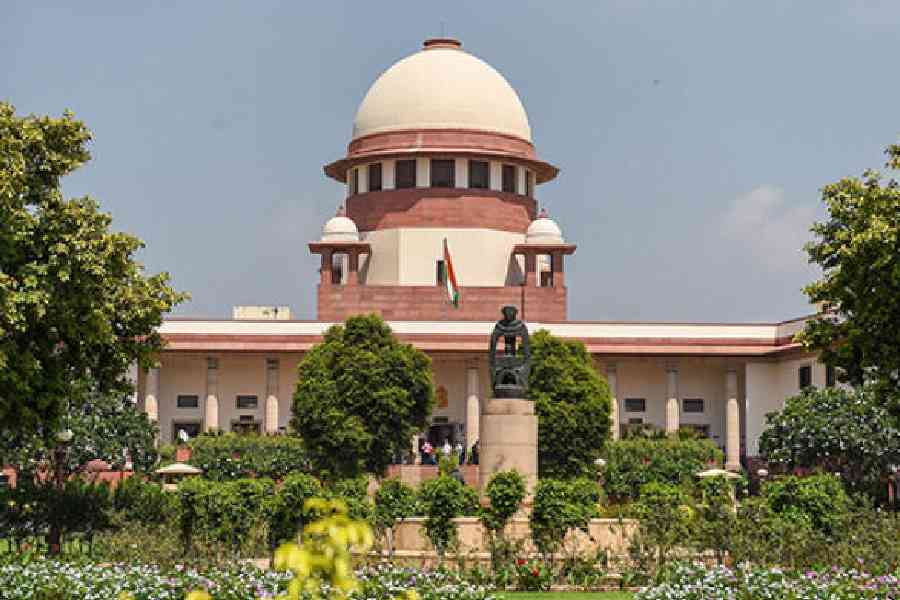
The Supreme Court’s recent hearing on challenges to the Digital Personal Data Protection Act, 2023 has brought into sharp focus a foundational constitutional question: what constitutes public data and what remains personal data? The court recognised that the answer will determine the reach of both the right to privacy and the right to information, two guarantees that must coexist within a democratic framework. The concern arises from the fact that the DPDPA allows a wide range of information to be classified as personal data, including information relating to public officials and their conduct in office. Without qualification, such a classification risks diluting the Right to Information Act. At present, information that bears directly on the exercise of public power could be withheld on the ground that it pertains to an identifiable individual. This would mark a shift from accountability to opacity in matters of governance which would reduce the ability of citizens, journalists, and regulatory institutions to examine decision-making, detect irregularities, and question authority. Conversely, the DPDPA gives the State broad powers to access personal data. So individuals may be subjected to data collection and surveillance while being denied access to information necessary to hold power accountable.
At the same time, the protection of privacy cannot be rendered contingent on claims of public interest alone. There are categories of information that remain inherently private, irrespective of the public position held by an individual. Medical data, family details, and intimate communications would fall within this protected sphere. The law must thus distinguish between information that is connected to public interest and information that pertains to the private domain. The appropriate balance lies in recognising that public interest can, in specific circumstances, justify disclosure of personal data to secure accountability, expose wrongdoing, or safeguard institutional integrity. Such disclosure must be guided by standards of necessity and proportionality, and be subject to independent oversight. The law must retain a meaningful public interest override, provide clear protections for journalistic activity, and ensure that exemptions are not framed in terms so broad that they defeat the purpose of transparency. The question before the court is not merely classificatory. It concerns the distribution of power between the State and the citizen.