It is pointless to keep ranting about the way examinations are held and papers are marked as I have realised that we will cling to our old ways as long as we possibly can — after all, we are ‘The Country of First Boys’ as Amartya Sen put it. Few modern states are as obsessed as ours about these mass exams. Indicative of this nationwide obsession is the programme, Pariksha Pe Charcha 2026: Ignite the Exam Warrior in You, with PM Modi. Turning into ‘warriors’ in order to deal with exams is counterproductive. Instead, let us eliminate these stressful exams and design intelligent and more humane ways of assessing our children’s scholastic standards.
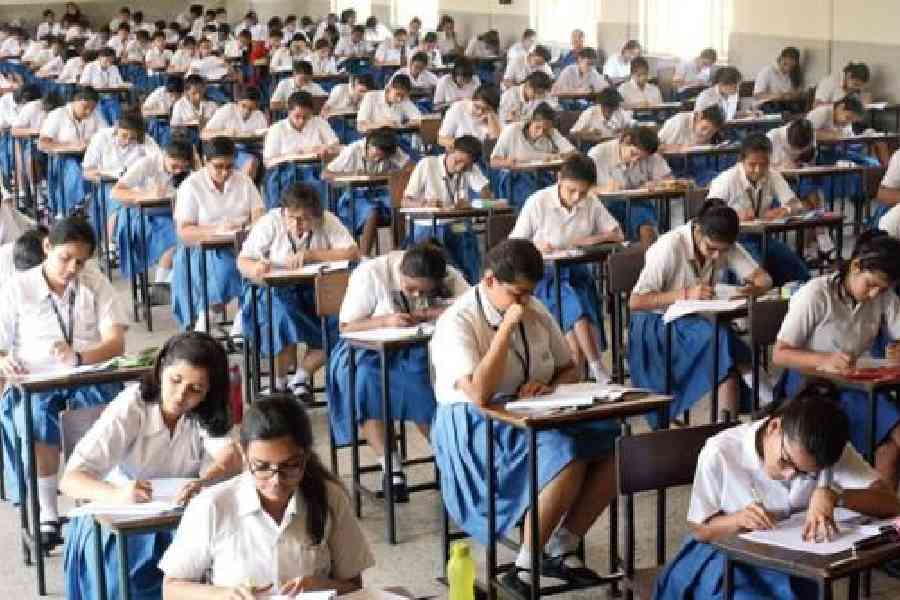
One of the unfortunate fallouts of the examination system is the elaborate policing that is required for every examination. This column will deal with the unbelievably formidable security measures enforced for the secondary and the higher secondary Board exams. Never mind the unrealistically inflated marks that the examinees are awarded each year. They hold little value with regard to college eligibility (except to fix ‘cut off marks’) and even less in the workplace.
The rules and regulations governing exams today are mind-boggling — no covered shoes, no watches, transparent pen pouches and so on. Individually sealed question papers are stored in bank lockers till the morning of each exam. A gigantic army is deployed to implement the gargantuan annual exercise known as Board examinations. The colossal amount of time, money and manpower wasted in preparing for each of these exams is staggering. And all of this just to prevent cheating, leakage of question papers and other malpractices expected of our students, officials and schools. Come exam season, schools, which serve as exam centres, turn into impregnable fortresses. Teachers are not available to teach for over a month as they are required to invigilate and then mark the papers.
The normal life of candidates is suspended in the latter part of every ‘Board Year’. All they do is prepare for the exam ahead: they discontinue their hobbies and even stop reading anything that is not related to the approaching exam. The social life of their parents, too, comes to a standstill as they help their offspring navigate the ordeal. Even otherwise sensible parents suddenly become irrationally nervous when it comes to their offspring’s exams. In addition to addressing the obsolete and stressful nature of our examinations, we need to seriously reflect on this huge trust deficit that we see everywhere. What are we doing to bring back this trust? Are we teaching children to be honest? Are we making exams and marks the sole goals of school education? Are we ourselves setting the right examples for the young?
I remember an incident long ago when some of us who had already been in the teaching profession for some years were writing the mandatory BEd exam. To my horror, I saw the headmaster of a school nonchalantly pulling out a long and narrow strip of paper from under the large dial of his wristwatch. He then proceeded to copy what he had painstakingly jotted down for later use. My indignant exclamations of “Shame on you!” fell on deaf ears but my friend, who happened to be sitting behind me, loudly urged me not to be a busybody. This disturbing incident has stayed in my memory.
Today, it is common knowledge that teachers and paper-setters divulge question papers to their pupils, while students think that it is smart to be able to outwit their invigilators. Adults lack in values themselves or they are reluctant to be firm with children with regard to integrity. Parents are overprotective and teachers are wary of school authorities and influential guardians. While there seems to be a general dearth of genuine kindness, misplaced sympathy is rife. In hindsight, I feel that I should have reported the cheater headmaster. People refrain from bringing cheaters to book for various reasons — it will hurt their careers, it is judicious not to get involved, it is asking for trouble and so on.
Today, dishonest exam practices have been normalised. The mantra is ‘everybody does it’ and this is
the disease that we need to combat.
Devi Kar is director, Modern High School for Girls, Calcutta