
.jpg)
PARTHANARAYAN MISHRA
Fast food shop owner, 28
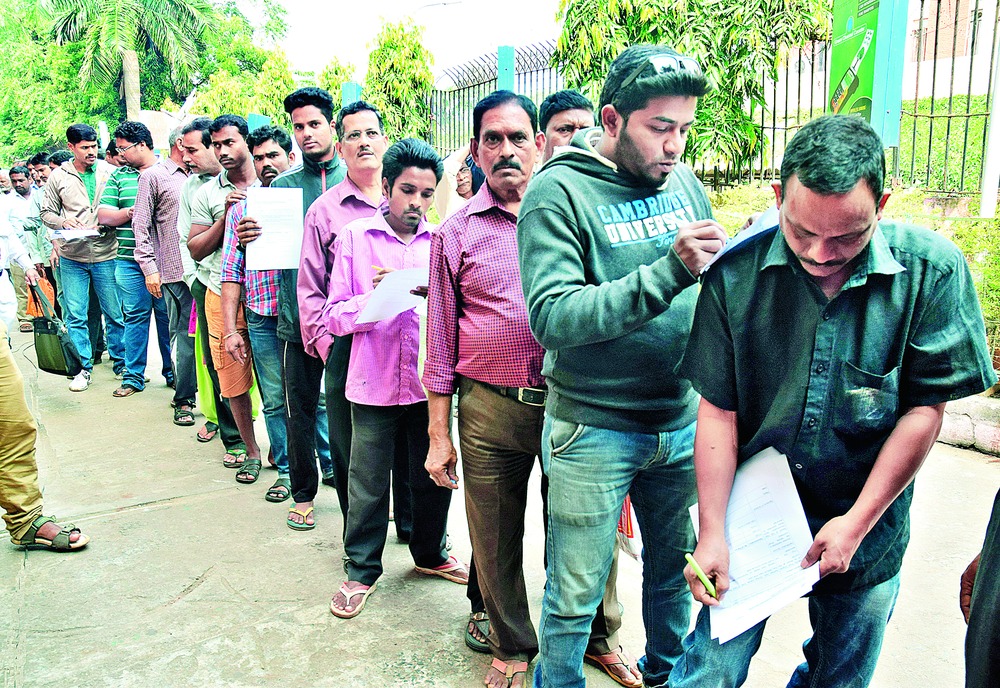
The day I heard about the ban on Rs 500 and Rs 1,000 notes, it became clear that the move was expected to check corruption and hoarding of black money. At the same time, I was sure that the Prime Minister’s move would affect my business. I started my venture in 2015 with an investment of Rs 5 lakh and business has been good.
However, the day after the ban was announced, my regular customers were apprehensive about what to do with their old Rs 500 and Rs 1,000 notes. I accepted the old Rs 500 notes till November 10 with the rider that the minimum bill should be at least of the same amount. This affected business, but then once banks started functioning and people had Rs 100 notes, sales picked up.
But now, a new issue had to be confronted. Some customers had received the new Rs 2,000 notes and wanted to change them for smaller denominations. As the new Rs 500 notes have not made their debut yet, all I could offer my customers were the old ones that some accepted but most did not. I was able to withdraw Rs 20,000 this week and exchange another Rs 4,000 but this will be enough to run my business for only about 10 days.
.jpg)
LIPAK KUMAR SAHU
Fruits and vegetables vendor, 30
The demonetisation of Rs 500 and Rs 1,000 notes affected my business on the first two days. Business had slowed, as people were wary of buying vegetables in large quantities. This being the holy month of Kartika and the winter season, vegetable sales are usually expected to go up considerably. However, the ban on the Rs 500 and Rs 1,000 notes has made people cautious about spending. The day the banks reopened, my regular customers started buying vegetables and fruits.
However, unlike my friends engaged in other businesses, mine has not been affected much by the ban. I had some trouble buying fruits and vegetables in bulk from Unit-I market, but then the wholesale traders started accepting Rs 500 and Rs 1,000 notes. They said this would be done for a few more days. Vegetables are a necessity and come what may, people will not stop buying them. Moreover, we deal in small change on a daily basis unless a customer buys fruits and vegetables worth Rs 500 or more. The day the banks reopened, some customers tried to give me new Rs 2,000 notes. However, I could not accept them.
.jpg)
RUPESH PATRA
Grocery shop owner, 35
The ban on the use of Rs 500 and Rs 1,000 notes has affected my business. The grocery business is dependent on daily transactions. We buy items such as milk cartons, bread, and so on, on a daily basis as they are perishable. Those who supply these items were wary of accepting the old notes on November 9.
However, they decided to extend credit facility and also started accepting the existing Rs 500 and Rs1,000 notes. A few wholesalers offered to get change in Rs 100 notes for a maximum of Rs 50,000 paid in Rs 500 and Rs 1,000 old notes. I’m not sure how they were able to do this, so I didn’t exchange my money with them. I went to the bank and withdrew Rs 10,000 each on November 11 and November 12 for meeting my expenses and that of the shop. My business has been affected. I was accepting the old notes the day after the announcement was made and providing people change of Rs 500 and Rs 1,000. But afterwards, apprehensive that I would run out of cash, I had to ask my customers, including those who are regulars, to buy items worth Rs 500 or Rs 1,000. This had an impact on my business.
As told to Sandeep Dwivedy