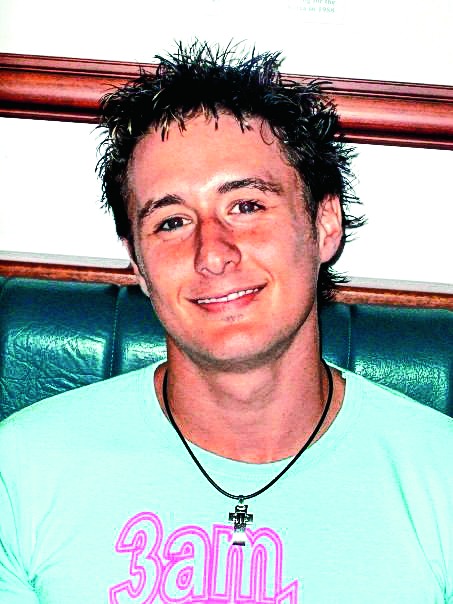

I arrived in India on October 15. After visiting Goa and Rajasthan, I came to Bhubaneswar on November 7. I had come with friends and soon after our arrival in Bhubaneswar, we hired a cab and drove down to Puri.
I had around Rs 5,000 in cash with me. Since we had booked the hotel online, I was hoping to buy some memorabilia from the city with my money.
I had a great time in Puri the day we arrived and the next day, we went to the Ramakrishna Mission. We spent the evening at the beach and while having dinner at the hotel's restaurant around 10pm, I saw someone take out a Rs 1,000 note and crack a joke about it. I still did not have an idea of what was going on. Just then, the waiter who was serving us told me that the government had banned the existing Rs 500 and Rs 1,000 notes and the decision was effective from midnight.
I was baffled. All I the money I had with me was in the form of the banned notes! It made me uncomfortable when the waiter said all such notes would become mere paper in a few hours. I was in a foreign country and suddenly left with no cash. I had Rs 4,000 at that point but it had just become useless. It was a strange feeling. Never before in my life had the thought of money pervaded my mind so much as to make me uncomfortable.
We paid for our meals in banned currency notes and retired to our rooms. Around 2am, I got a call from my Indian brother-in-law, who stays in Adelaide. He said there was nothing to worry and he would ask our contact man in Puri to arrange enough cash for us.
The next day, our Bengali neighbours at the hotel said the move was aimed at weeding out black money from the system. I thought how could the government of India, which is respected across the globe as the world's largest democracy, take such a decision. But then, the people seemed to support the move taken by Prime Minister Narendra Modi.
As we went around town, I could see people queuing up in front of petrol pumps. I was told that everyone was trying to use the old high-denomination currency notes to fill up their car tanks because they were still valid at petrol pumps.
I came to know that all banks were closed that day and the ATMs for two days. I spent the rest of the day sitting at the hotel as the manager said no cabs were available to take us to Chilika.
The next day when banks re-opened, I saw serpentine queues at all banks in the city. Our contact man arranged Rs 10,000 for us in 100s for which we had to pay him Rs 12,000 in the now-banned Rs 1,000 notes. There was confusion everywhere. We visited Chilika and came back the same day. On November 14, we left for Bhubaneswar and the situation was the same there. I stood in queue to get the Rs 2,000 in old notes I had with me exchanged at a bank. It was a long and endless wait.
I could not buy much from Odisha as gifts for my friends and family back home because I had become cautious about spending whatever cash we were left with. I hope the situation returns to normal as people are enduring great hardships due to the move.
I already have booked my tickets home and have cancelled my plan to visit Darjeeling in Bengal.
The author is a 32-year-old teacher from Adelaide