
Bhubaneswar, July 22: The civic body plans to rope in volunteers to carry out cleanliness awareness activities across the city.
Following a notification from the Union urban development ministry, the Bhubaneswar Municipal Corporation will engage the volunteers, to be known as Swachhagrahis (on the line of Satyagrahis of the Freedom Movement fame). The agents of cleanliness will bring collective behavioural changes among underprivileged urban communities towards safe sanitation behaviour.
Anyone, who wants to work for keeping the city clean, can become a Swachhagrahi. The municipal corporation will provide them with separate T-shirts and a batch that will help others recognise them as the agents of change. To start with, the civic body has chosen 12 of its 67 wards and decided to deploy five Swachhagrahis in each of them.
Experts working for Swachh Bharat field that the move will inspire many to keep the city clean. "As the Satyagrahis brought us freedom, these Swachhagrahis will bring us a clean and green environment," said mayor Ananta Narayan Jena.
The joint secretary of the Union urban development ministry and director of the Swachh Bharat Mission, Praveen Prakash, in a recent letter to all urban local bodies across the country, has stated that the cities should treat the Swachhagrahis with recognition, so that the management of open defecation becomes possible with greater community involvement.
The observer from the ministry of urban development, V.S. Pandey, who was in the city today, visited two major slums at Saradhapalli and Dhirikuti Basti. Deputy municipal commissioner Srimanta Mishra accompanied him in his visit to these slums.
Sharadhapalli slum is near the Amri Hospital, while Dhirikuti Basti is located near the Mancheswar Rail Coach Repair Workshop. Children also took interest and displayed how they play the role of social change initiators to manage open defecation in their area.
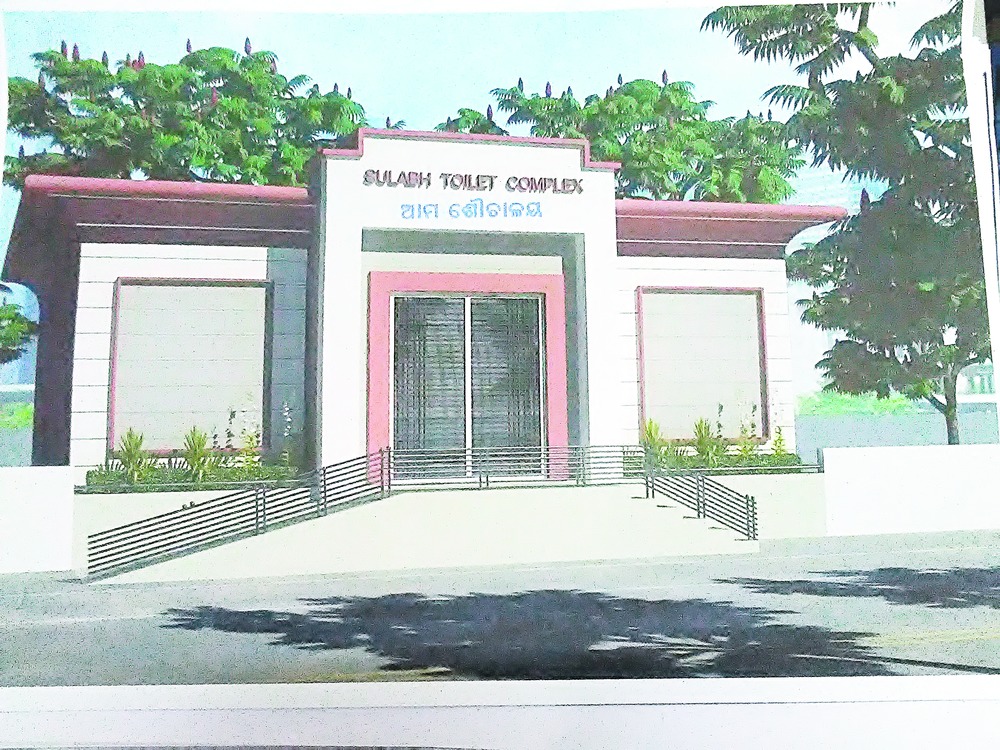
According to the guidelines of the Swachh Bharat Mission (Urban), there are six major components, such as community toilets, public toilets, public awareness activities, capacity building and solid waste management.
Open defecation not only spreads various faecal-oral and water-borne diseases, it also poses threats to the quality of drinking water in urban areas and especially in localities largely dominated by slum population. "Community-level total sanitation has become very important open defecation is causing water pollution and contamination," said the mayor.