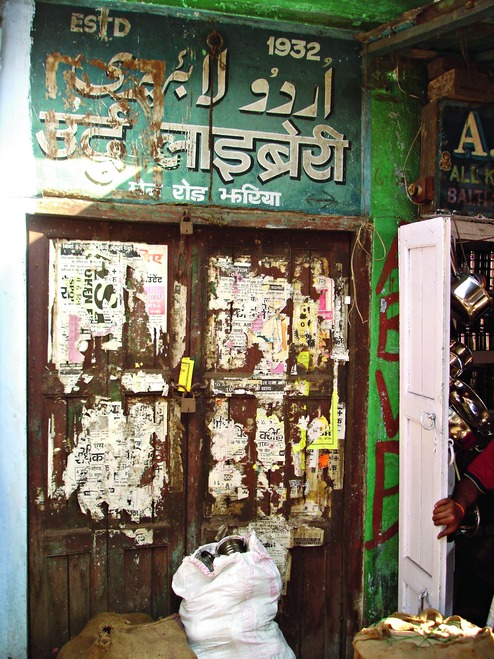

Dhanbad: A quarter of a century is a long time. But, the Urdu Library of Jharia, which closed in the aftermath of Babri Masjid demolition in Ayodhya in 1992, has still not opened its shutters.
A generation grew up without knowing the library that once was the region's nerve centre of literary activities since it was set up in 1932.
For 60 years, the 30-seater library was not only a treasure trove for bookworms with some 15,000 tomes on a wide range of subjects as well as magazines and research papers, it hosted lively gatherings of writers, litterateurs, students and teachers in the evening hours and, once in a while, much-awaited mushairas.
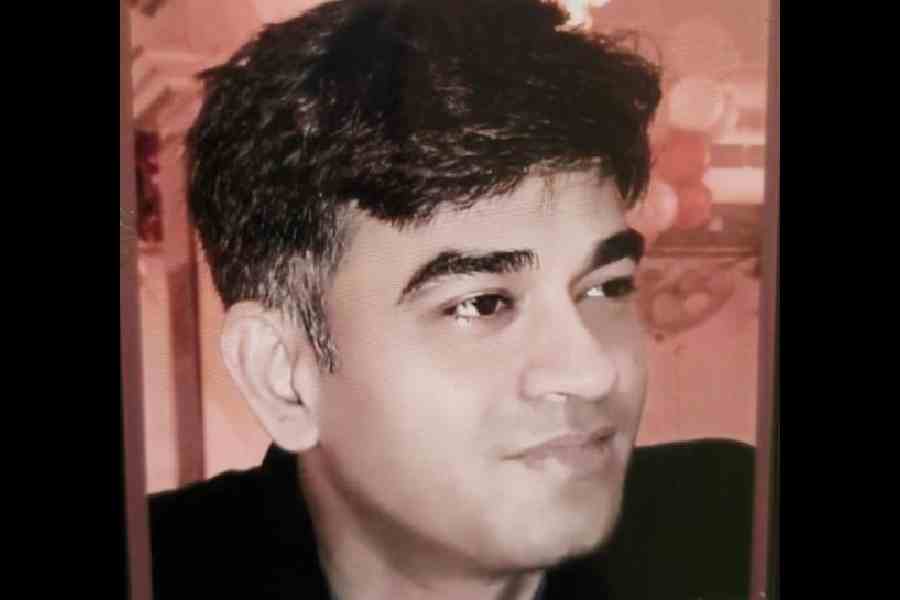
"The library suffered irreparable damage during the attack of 1992 as valuable books were burnt," said Shaukat Ali, 63, former secretary of the library committee whose father Late Mahmud Hussain was the library's founder president. He added that the library that functioned out of a rented place at Jharia main road also catered to needs of students of schools and colleges, particularly those pursuing post-graduation in Urdu.
So, why was it not reopened?
Circumstances were not encouraging, Ali said. After the attacks, the library could not find its feet for some years, he said. All too soon, around the turn of the millennium, the Internet wave swept youngsters.
"Once Google came into the picture, the younger generation lost the patience to browse through books," sighed Ali. "Now, after the advent of computers, Internet and mobile phone, interest in printed text is waning. Also, a library is part of a community culture, which also is fast depleting," he added.
It was left to veteran local journalist Taiyab Khan to recall the Urdu Library's glory days. Khan remembered "at least three international mushairas" organised by the library. "Well-known poets such as Nida Fazli, Bashir Badr, Wasim Barelvi, among others came here," he said. "Sahitya Akademi winning writer Iliyas Ahmad Gaddi and his elder brother Gayas Ahmad Gaddi were once regular visitors to this library," he said.
He added the library, open from 6pm to 9pm, and with nominal membership charge, was loved by Urdu scholars from Jharia, Sindri, Dhanbad, Patherdih and Sudamdih. "In fact, it was a point of reference for many Sikh people with ancestral links with Western Punjab where people had a good knowledge of Urdu," he said. "I remember a good number of Hindi books also," he added.