Friday, 12 June 2026
Friday, 12 June 2026
Friday, 12 June 2026
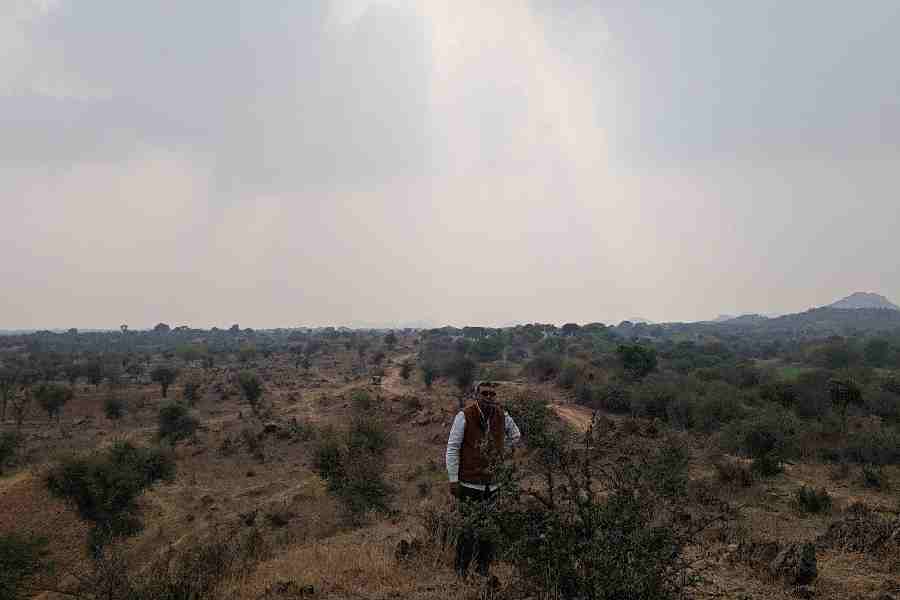
On winter mornings in parts of Rajasthan’s Aravalli range, the hills still glow the way they always have, for centuries – soft, ancient and deceptively permanent.
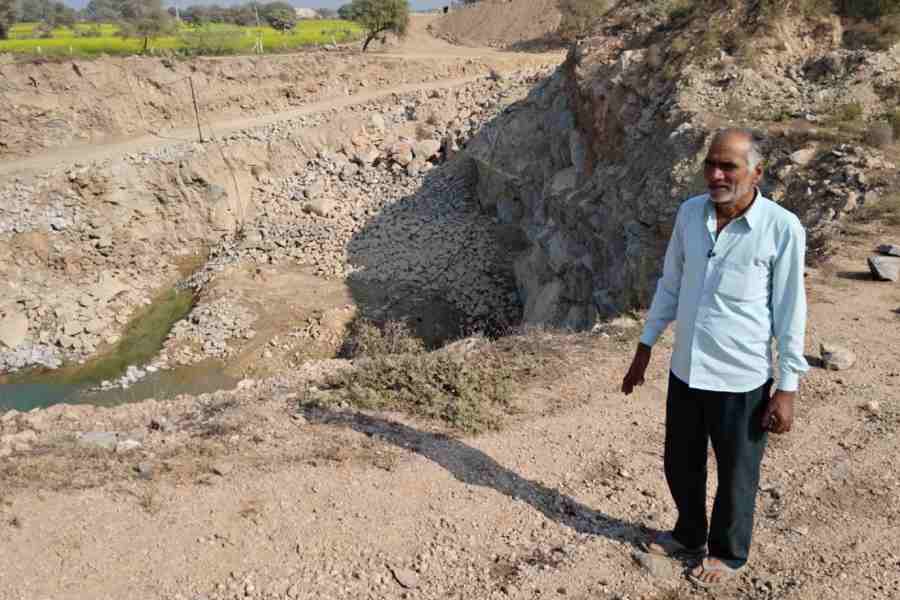
For environmentalist Kaliash Meena, this permanence has always been an illusion. He never set out to be an environmental activist. There was no single moment of conversion or grand ideological awakening. What put him in the fighting pit, he said, was something quieter and more stubborn: watching how the landscape around him began to change over the years, faster than the people living on it could adapt.
“When mining started expanding, people were told there would be development,” Meena said. “But what we saw was water disappearing, land turning barren, and diseases increasing.”
Meena is one of the first in a long list of environmental activists born in the shadows of the Aravallis, forced to fight for their survival and the survival of their people.
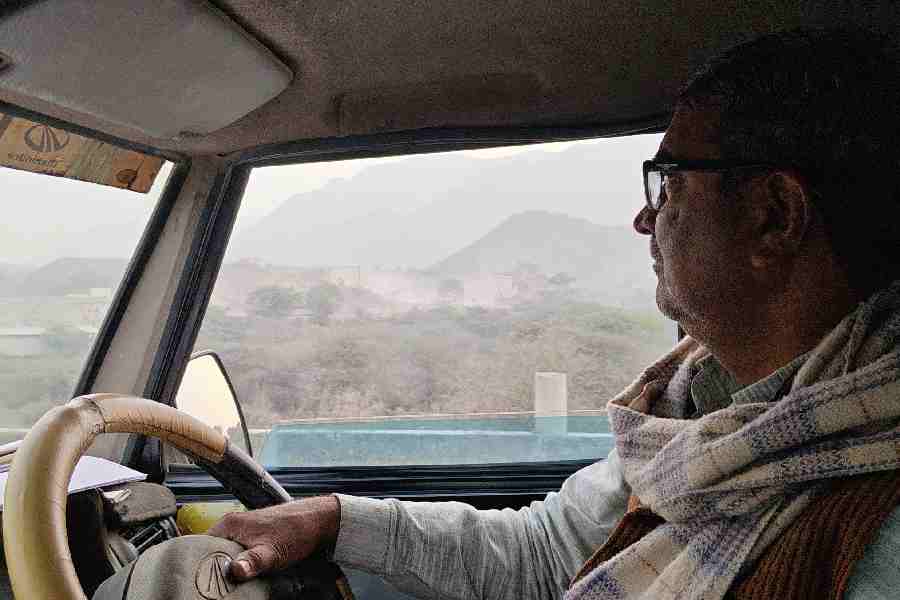
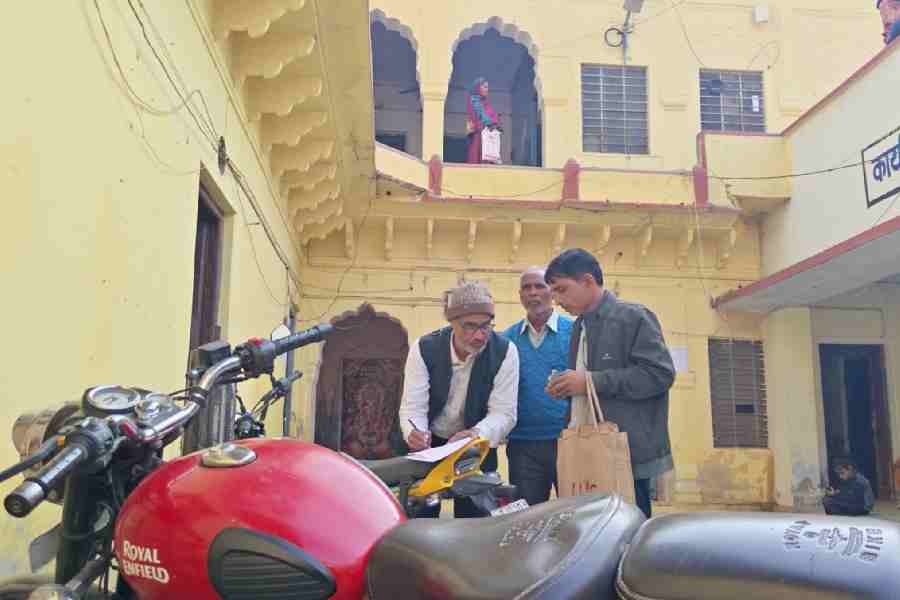
Meena and his beaten-down black Mahindra Bolero have become synonymous with the fight for the protection of the Aravallis. Wherever or whenever there is a protest, he is present, sitting quietly, exchanging smiles and talking to the locals like he is their own. And he is.
Across the Aravalli belt, his story is not unusual. What is unusual is how long he has stayed in the fight and what it has cost him.
‘Guardian of the Aravallis’
Locals and the media often refer to Meena as the “guardian of the hills", a title he neither claims nor particularly welcomes. For almost 30 years, he has helped villagers file legal complaints, organised protests and padyatras, and even relentlessly pursued Aravallis-related environmental cases in court.
The work, he said, has come with consequences that rarely make it into official records.
Meena, who loves his tea and whose face shows age and years of struggle, isn’t a man of many words. He took a deep breath and paused for a few moments before speaking about the numerous cases filed against him, social pressure, and the strain on his family.
“In December, they tied my hands, stripped and paraded me to break me. Almost two dozen cases were filed against me. My elder brother died worrying about me,” Meena told The Telegraph Online.
He has also lost a close friend who stood alongside him to protect the Aravallis and its people. Meena has considered stepping away.
“When my brother died because of me, I was broken; I was about to leave the area. I was depressed. But what to do? I felt the people here would be subject to injustice if I left. No matter how broken I am feeling, the least I can do is stand with them,” he said.
“If the Aravallis are not there, we will not be there either.”For Meena, it’s a do-or-die battle: “If we die, then the next generation will learn from us that fighting against them is the only way out.”
This strain of activism as compulsion, not calling, runs through many of the lives now orbiting the region’s mining conflicts.
Meena and several others quit their daily jobs to take up activism full-time. Behind all of them stood their wives, children, siblings, and close friends who supported them financially above all else so that they could continue fighting.
‘How long can an ordinary person fight?’
In Jodhpura village, roughly a few hours’ drive away from Jaipur, Kailash Yadav’s days used to follow a predictable rhythm: work, home, family.
That changed when residents began to link nearby mining and blasting to cracked homes, dust-laden fields and falling groundwater. The complaints eventually reached the National Green Tribunal, which ordered safe-distance norms for blasting and directed compensation for affected villagers.
But as months stretched into years, many villagers said, the relief they expected did not fully materialise.
Yadav made a decision that, in hindsight, still surprises him. He shut his garment shop in Delhi and joined the village protest full time.
“I kept thinking — if I continue with my work, then who will fight for the villagers?” Kailash Yadav told The Telegraph Online.
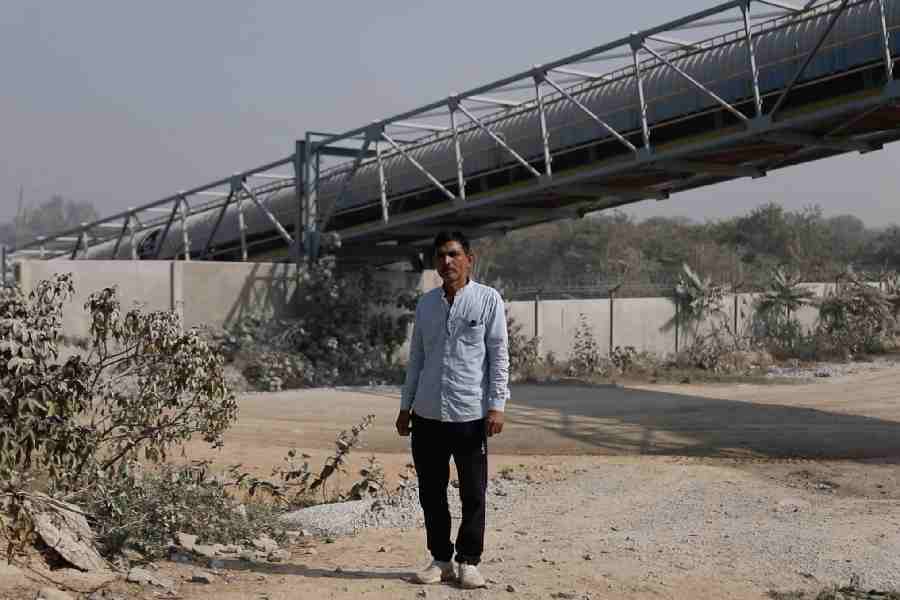
Yadav is a regular at the Jodhpura protest site. He lives barely two minutes from the site and has gradually become the village’s unofficial representative, taking matters to court, speaking to lawyers, getting petitions signed and even mobilising the villagers.
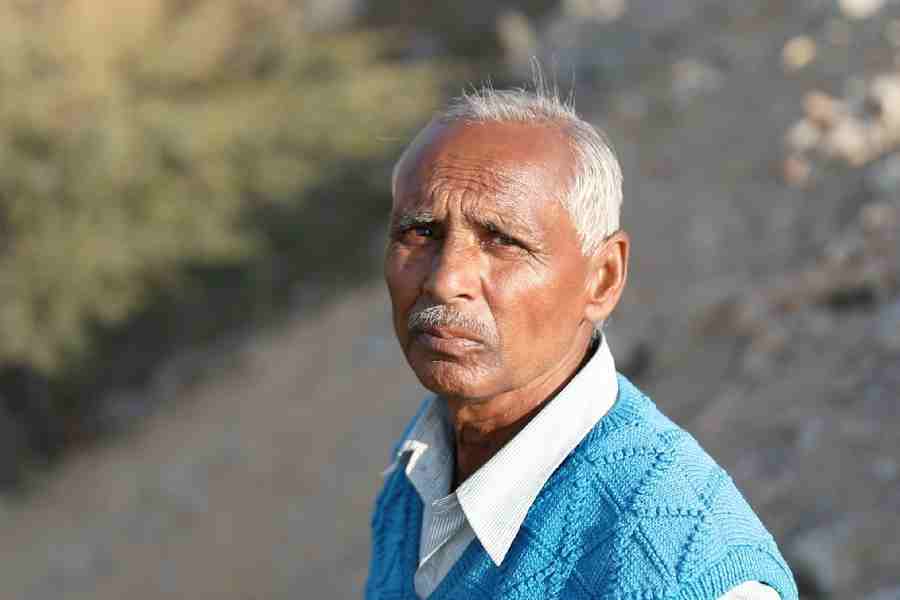
At the protest site, whether someone else is present or not, Yadav is bound to be there, or else he is running around somewhere trying to enforce the green tribunal order that ordered compensation for the villagers of Jodhpura. “We have grown tired and hopeless after repeated failed visits to the district authorities,” Yadav said. “How long can an ordinary person fight? Where do we go if they are not ready to abide by the court’s orders? So they only have one resort – to sit in dharna. From 2022 to 2026, and still no solution. We got the order, but our problems have not been solved. So where will the villagers go?”
Protesters are family
Similarly, Radheyshyam Shuklawas would have remained a contractor had his son not convinced him to fight for the people of Shuklawas.
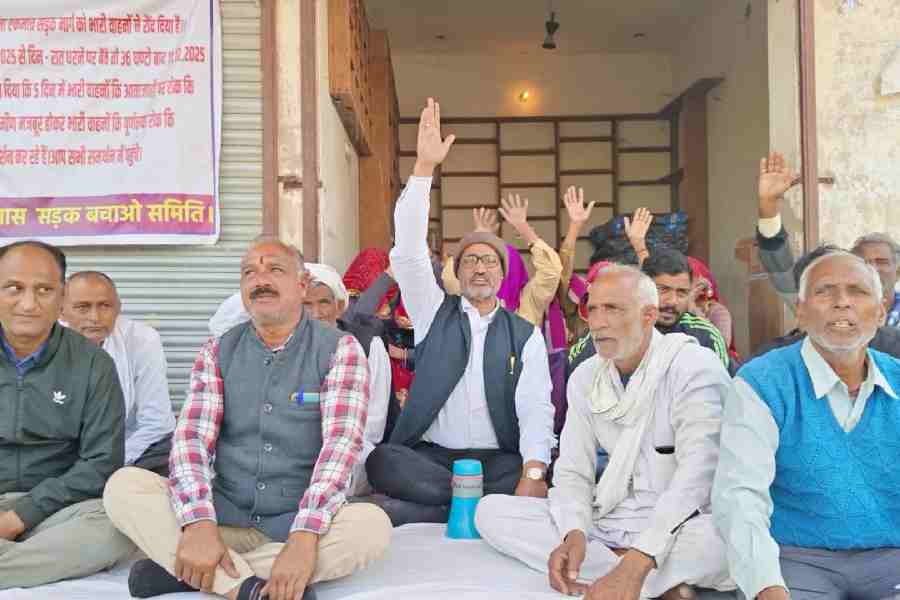
Today, he sits along with several others at a small shop along the 14 ft wide Kasli-Shuklawas road, protesting against the plying of overloaded dumper trucks servicing mines in the area. He is there from morning to night, occasionally visiting his home.
His children are married and live in different parts of the country, and his wife keeps travelling too. So he has made this protest site his home and the protesters his family. He has previously managed to ban mining in the Shuklawas area.
Fourth pillar
What has emerged across the Aravalli belt is not a single movement but a loose, overlapping network of residents, local organisers and independent advocates, many of whom insist they were pulled into the fight by circumstance rather than design.
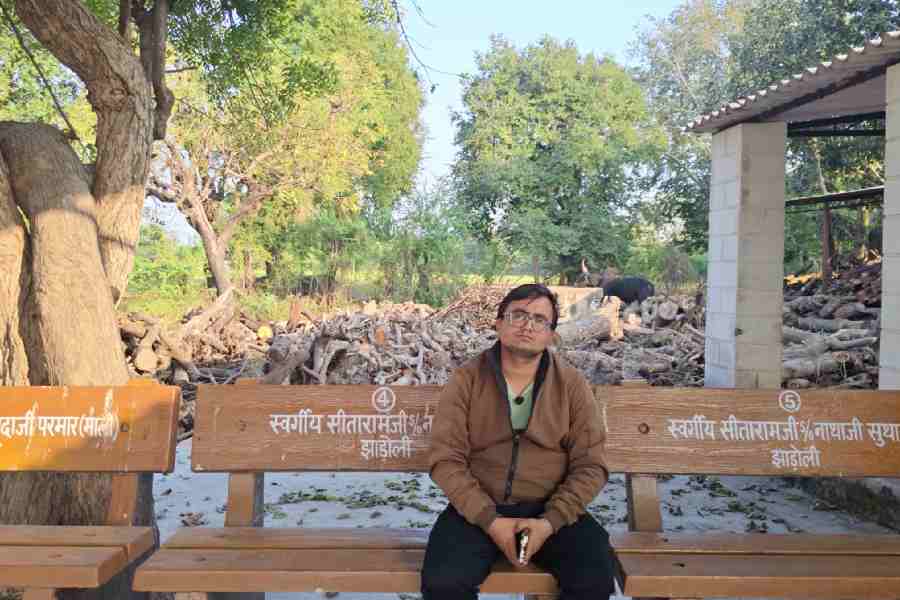
Among them is Tushar Purohit, a journalist and advocate who has spent years documenting mining-linked grievances and pursuing cases on behalf of affected communities.
Purohit’s focus has been around navigating the bureaucratic maze around silicosis certification and compensation. He is a known face across the Sirohi district, having reported from the area for several years. To the villagers, he is their only hope to fight their battles.
Purohit is always on the streets, either reporting, or spreading awareness amongst the villagers, or helping leaders mobilise people, filing petitions and doing legal work. He almost never stops.
On most days, he doesn’t find time to eat or sleep. His phone is constantly ringing. A lot of the work he does for the villagers is pro bono.
It wouldn’t take a genius to spot how tired he is, but there is little sign that he wants to take a break from the fight.
Survival, not just protest
In village conversations across the region, activism rarely appears as a first identity.
Mamraj Meena from Neemkathana and Rohtas Yadav from Pawana Aheer are all farmers but have taken to activism to save their villages. Like Yadav, Gyarsi Lal Arye from Pawana Aheer also gave up his job to fight for his village.
What binds them is not ideology but convergence.
Each describes a moment when concern hardened into something more permanent — a well that ran lower than expected, dust that began settling daily on crops, blasting that seemed to edge closer to homes.
Over time, the vocabulary changed. Words like "lease", "clearance", and "tribunal" began entering conversations that once revolved around rainfall and harvest cycles.
None of them, they say, planned for that shift.
In the Aravallis today, that push — slow, uneven, but persistent — continues to redraw ordinary lives.
And for many who live in the shadow of these ancient hills, stepping back is no longer an easy option