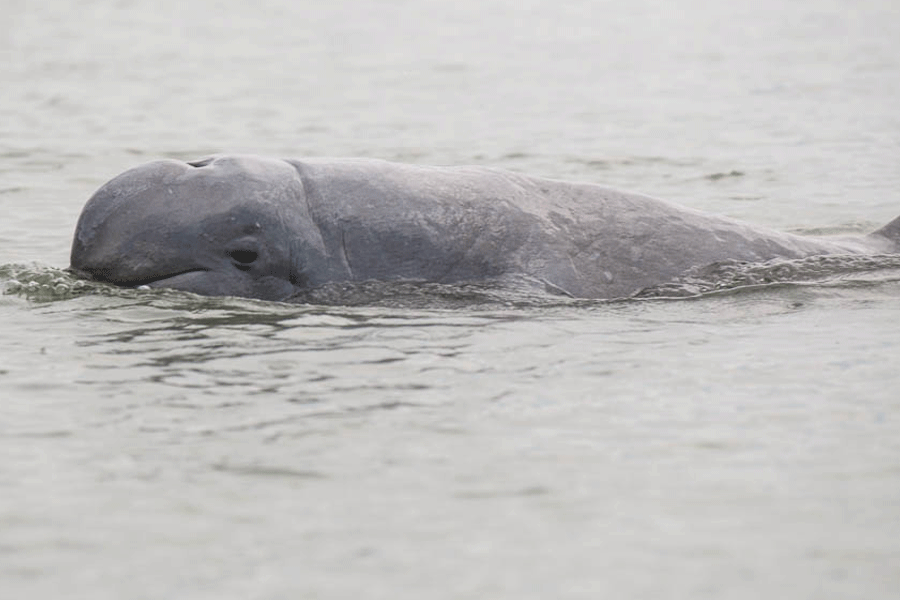
The Rushikulya river mouth in Odisha's Ganjam district, which is known for the mass nesting of the endangered Olive Ridley Turtles, was found as a potential habitat for Irrawaddy dolphins, a forest officer said on Tuesday.
The forest department officials have sighted the congregation of 13 such critically endangered dolphins near Bateshwar under Khallikote forest range during the counting of the sea mammal, he said.
The three-day dolphin census was carried out between January 20 and 22. During the survey, the dolphins were observed surfacing and moving in groups within the area, said the forest officer.
“The census has indicated the healthy presence of dolphins along the Purunabandh-Prayagi stretch” said Dibya Shankar Behera, assistant conservator of forests (ACF), Khallikote range.
Earlier, the forest officials have found other species of dolphins like bottlenose and humpbacks in the area, officials said.
The Irrawaddy dolphins, which were sighted in large numbers in the Chilika lake, might have migrated to the Rushikulya river mouth area, they said.
People of the nearby villages, especially the fishermen, have been well aware of protecting the Olive Ridley turtles, which visit for mass nesting in the last few years.
“Now the villagers are also aware of protecting the other aquatic animals like dolphins and the winged guests. We are creating awareness among the villagers for the protection of Olive Ridley, besides other animals and birds,” said the ACF.
The sighting of Irrawaddy dolphins near the river mouth has strengthened the importance of the Rushikulya estuary as a biodiversity-rich ecosystem, said Rabindra Nath Sahu, a wildlife activist.
The estuary is famous for a major rookery of the Olive Ridley turtles, as thousands of the sea creatures visit the site for their mass nesting during the third week of February. The place has also hosted several migratory birds, especially Bar-headed geese during every winter, he said.
As the area is considered as the biodiversity hotspot, Sahu urged the government to take urgent conservation measures for the protection and conservation of the different aquatic animals.
Except for the headline, this story has not been edited by The Telegraph Online staff and has been published from a syndicated feed.