Leader of Opposition in Rajya Sabha Mallikarjun Kharge on Monday held the government responsible for the LPG crisis, as India’s energy landscape faces supply volatility and logistical disruptions following the fallout of the US–Israel war on Iran.
Kharge noted that since 90 per cent of imports pass through the Strait of Hormuz, alternative routes should have been secured months ago.
Kharge said small roadside eateries, restaurants and hostels have been affected, with everything from community kitchens to Ram Rasoi shutting down.
Not just homes — MSMEs and other commercial users are also facing severe difficulties in obtaining LPG cylinders.
“It is concerning that many establishments have limited or completely halted their operations. Some are purchasing at exorbitant rates, over Rs 5,000 per cylinder,” the senior Congress leader claimed.
Kharge further said the Union petroleum minister had told the Lok Sabha there is no shortage of LPG and had urged caution against rumours. “But the ground reality proves the government's claims wrong,” he added.
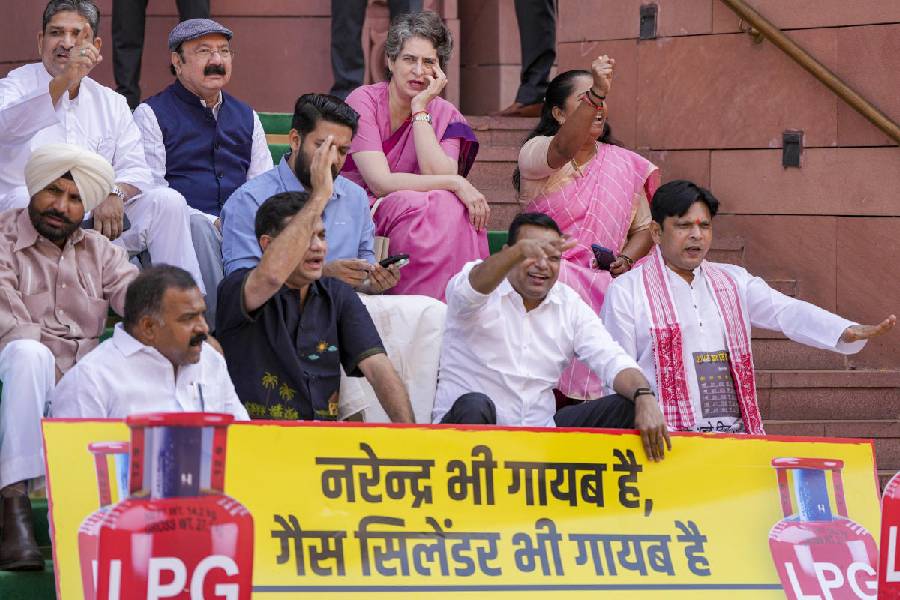
Opposition MPs staged a protest outside Parliament’s Makar Dwar on Monday, raising concerns over the alleged LPG shortage and its impact on households. The Centre however maintained that there is no physical shortage.
Union minister J.P. Nadda countered Kharge by accusing the Opposition of “creating anarchy” and instigating panic, saying “relief ships” are arriving and that the disruption is an external shock beyond India’s control.
But state-level data and policy measures suggest tightening fuel availability.
LPG refill intervals have been extended, PNG customers are to be barred from purchasing LPG cylinders, and LPG users are being encouraged to shift to PNG.
The government has also introduced stricter biometric authentication and e-KYC requirements for LPG consumers. Several states have reported supply shortages and announced standard operating procedures to manage the situation.
Radhakrishna Kishore, finance minister of Jharkhand, said in the Assembly on Monday that the state is facing shortages of both domestic and commercial LPG, which could affect household kitchens and businesses such as hotels, canteens and restaurants, leading to losses in GST revenue.
Responding to a question, Kishore said delivery of both domestic and commercial gas has been affected.
“The refill booking interval for domestic LPG has been increased to 25 days from 15 days for urban consumers, while for rural consumers it has been raised to 45 days. As of March 16, pending refills for gas supplied by IOCL, HPCL and BPCL stand at 3.27 lakh,” he told the House.
Delivery, which earlier took place within 48 hours of booking, now takes three to four days.
“The government cannot deny that the ongoing war involving the US, Israel and Iran is already having negative repercussions on the LPG situation in Jharkhand, and these effects are likely to intensify in the days ahead,” he said.
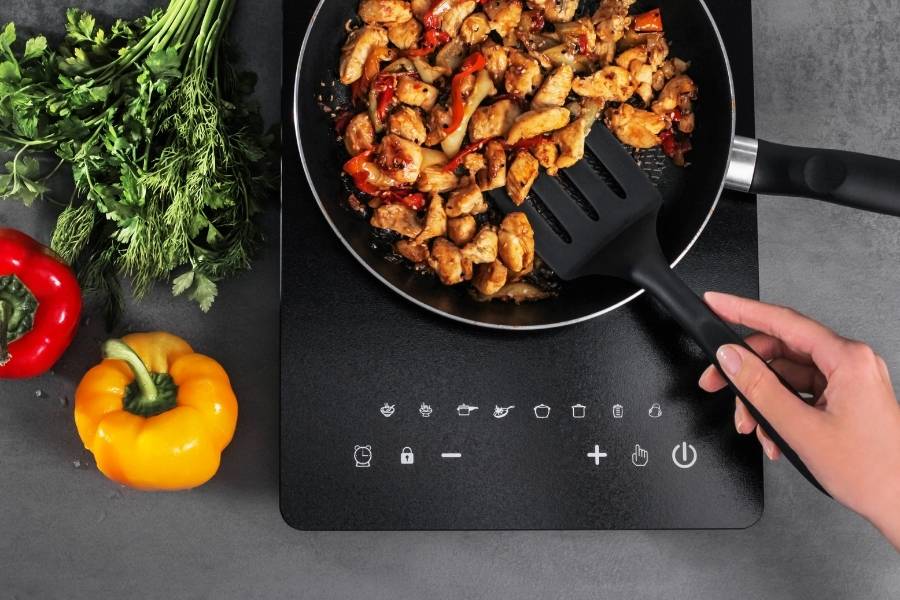
K. H. Muniyappa, food and civil supplies minister of Karnataka, urged the public not to panic and asked hotels to temporarily switch to electric stoves as the state faces an LPG refill shortage following the conflict in West Asia.
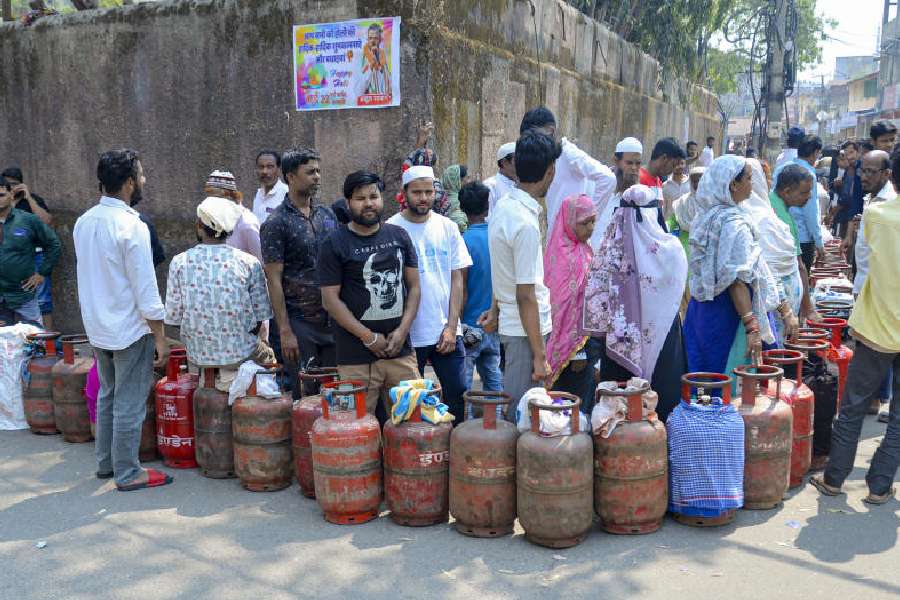
Addressing a news conference, Muniyappa said about 1,000 LPG cylinders per day are being earmarked for the hotel industry after reserving supplies for essential services. The cylinders will be distributed through associations and distributor registers to ensure workers in the service sector can continue to access food during the supply constraints.
Authorities across several states have intensified enforcement today to curb illegal stockpiling as the LPG crisis continues.
In New Delhi, a major crime branch raid in Mundka led to the seizure of 610 cylinders from a single godown, including stocks from Indane, Bharat Gas, and HP Gas.
In Maharashtra, enforcement teams recovered 84 cylinders in Bhiwandi and 29 in Beed, while Mumbai authorities seized over 100 units from a black-marketing racket in Worli.