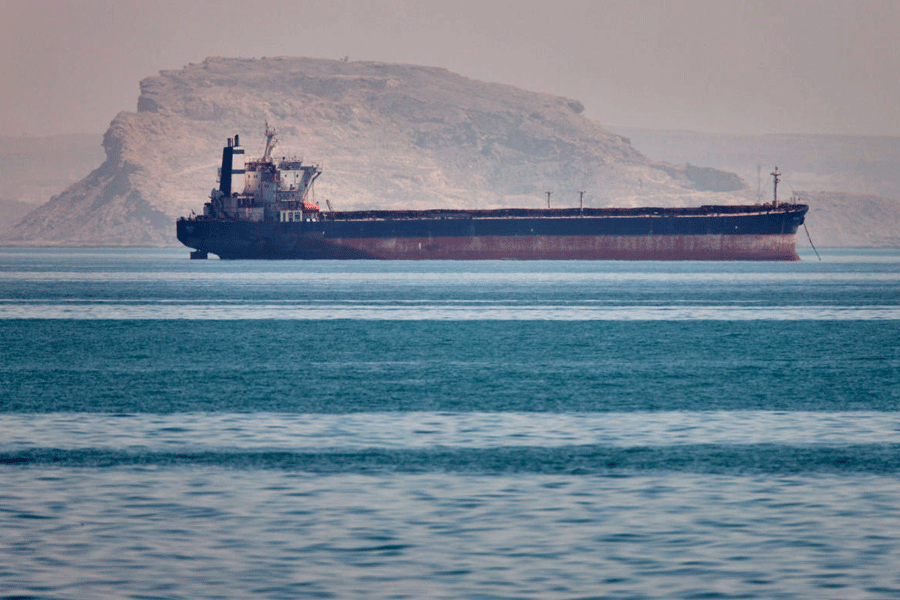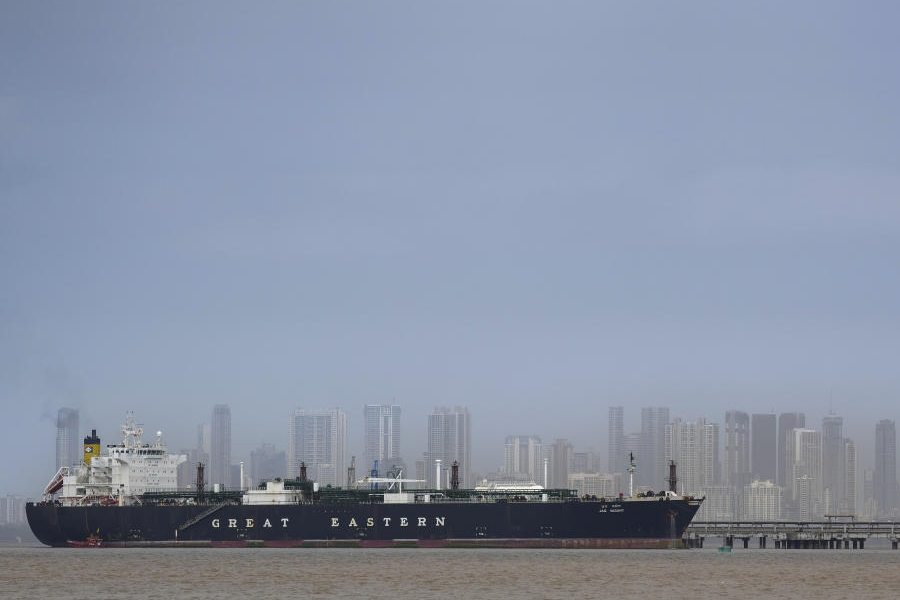
An LPG tanker, the Green Sanvi, is currently transiting the Strait of Hormuz on its way to India as the country grapples with tightening energy supplies amid the Middle East conflict.
“Two other ships, the Green Asha and the Jag Vikram, are likely to follow in the coming days. All three are India-registered ships as the LPG situation remains tight,” says Sumit Ritolia, lead analyst at the data analysis and vessel tracking firm Kpler.
The Green Sanvi is a VLGC (Very Large Gas Carrier) that can carry a cargo of about 55,000–60,000 tonnes. The other two ships are classified as Medium Gas Carriers that carry slightly less than half that amount.
Combined, the three ships can carry about 108,000 tonnes of LPG, enough for slightly more than one day of consumption in India.
“India remains highly exposed to LPG supply amid the Strait of Hormuz blockade” by Iran, Ritolia adds.
Analysts are hopeful that Iran is keeping to its stated promise of allowing one Indian ship to pass through the Strait of Hormuz daily. Normally, some 30 per cent of the world’s LPG supply passes through the Strait of Hormuz.
India is in a squeeze for LPG because there aren’t many other countries from which it can source large quantities. The US produces large volumes and several carriers are on their way to India.
However, US LPG is costlier, and transportation from the US is significantly more expensive than from the nearby Gulf countries.
Saudi Arabia is also sending LPG from Yanbu, its Red Sea port, with supplies reaching the terminal via pipeline. Iraq has no such options, and supplies from there have almost entirely stopped. India is exploring additional purchases from Nigeria as well.
Another ship, the Sea Bird, unloaded Iranian LPG at Mangalore port a few days ago. The Indian vessels transiting the strait are displaying signs saying “India Ship India Crew” to reduce chances of Iranian attack.
LPG shortages have not yet become acute, but some restaurants have cut down on the number of dishes and meals they serve.

A large French container ship belonging to a major French shipping company is also transiting through the Strait of Hormuz.
Earlier in the day, it was reported that a tanker carrying Iranian crude oil that had been heading to Vadinar had abruptly changed course and was now signalling that its new destination was China.
The Ping Shun, carrying 600,000 barrels of crude, had loaded at Kharg Island and would have been the first Iranian oil to land in India since 2019, when the US slapped sanctions on Iran and forced New Delhi to halt purchases.
The ship changed course as it neared Vadinar port, which it had indicated was its final destination. “There must be payment issues. They want upfront payment,” says Ritolia.
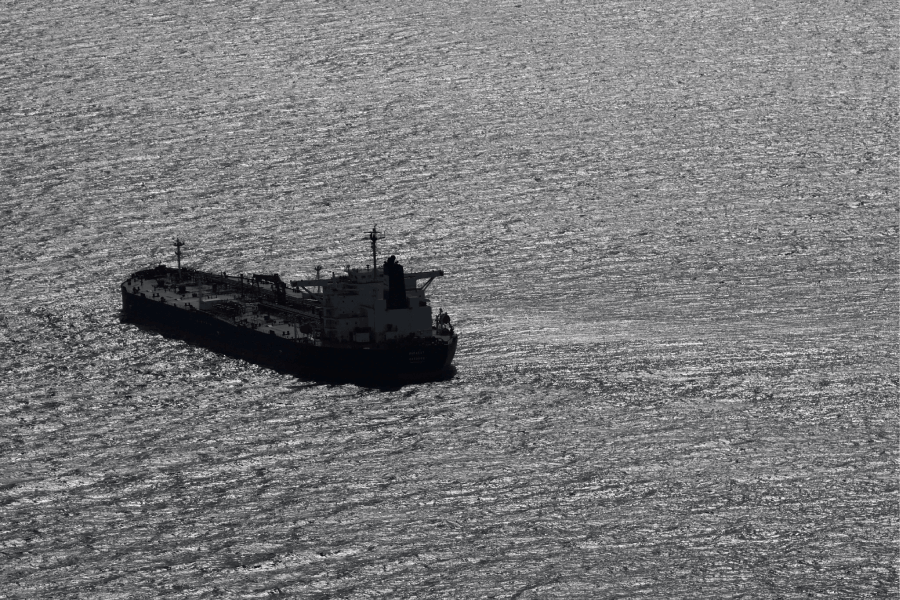
The shipment follows a temporary easing of restrictions by Washington, which has been trying, unsuccessfully, to keep a lid on global oil prices amid the US and Israeli war against Iran that has virtually paralysed traffic through the key Strait of Hormuz.
The US has allowed the sale of Iranian oil already loaded onto ships until April 19. India had been a major buyer of Iranian crude until the 2019 US sanctions came into force after Washington scrapped the Iran nuclear deal.
India had been looking to secure large volumes of Iranian crude before the April 19 deadline. India and China are the world’s second- and third-largest buyers of crude oil.
New Delhi is also keen to see the once-important supply line reopened on a longer-term basis.