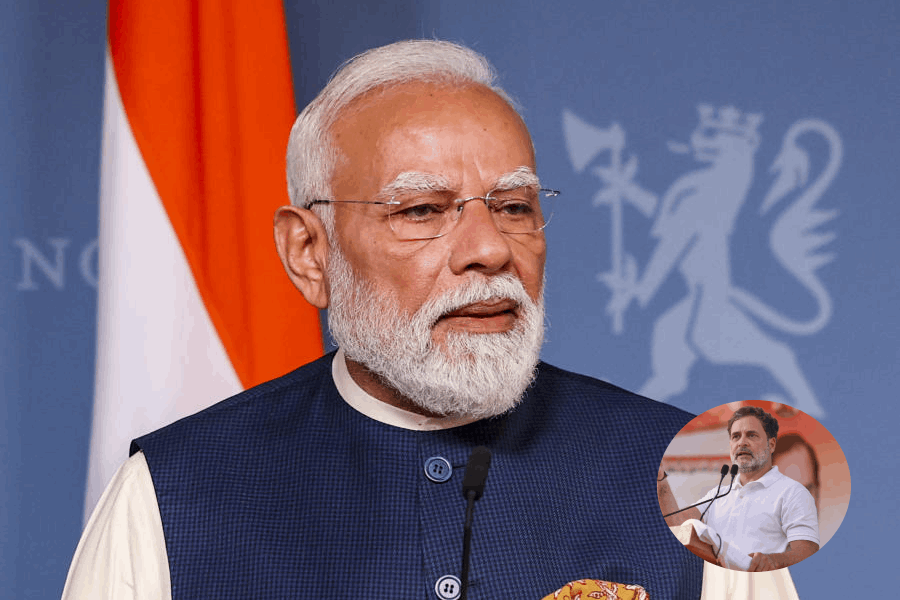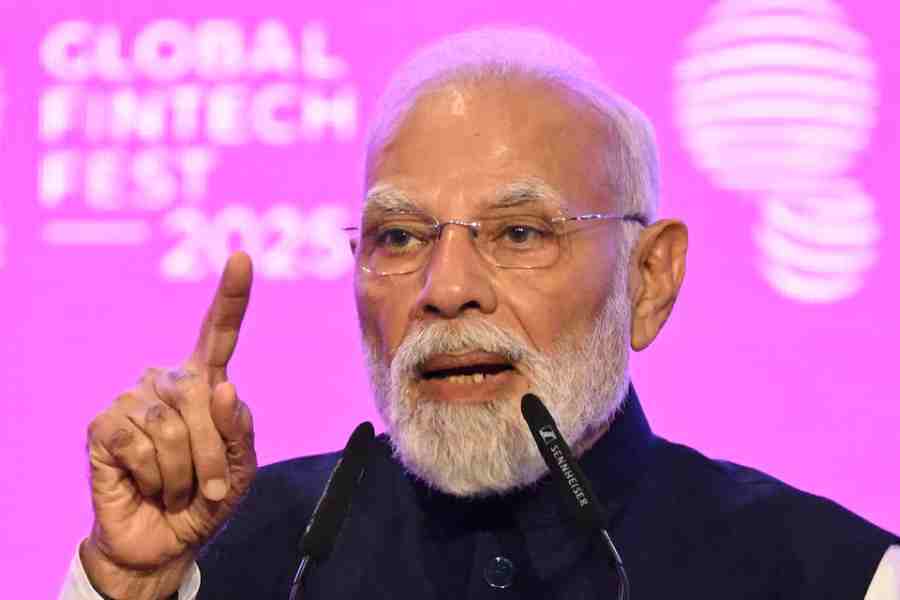
Prime Minister Narendra Modi has urged citizens to adopt practices to conserve foreign exchange as the Iran war-driven spike in oil prices has piled pressure on the rupee and depleted forex reserves.
Modi on Sunday said Indians should aim to conserve fuel and fertilisers while avoiding foreign travel and gold purchases. The address "signals a potential policy shift ahead," Nomura said in a Monday note.
The rupee dropped to a record low against the dollar last week. Higher crude prices are particularly detrimental for India, which imports 90% of its oil requirements and about 50% of its gas needs.
The Reserve Bank of India has sold dollars from its FX reserves to defend the currency, cracked down on rupee arbitrage trades and is considering measures to shore up dollar inflows.
Here are some of the measures that policymakers adopted in the past, which analysts say could be revived to tackle the ongoing crisis.
Diaspora deposits, bonds
At times when dollar inflows are under pressure, the central bank has announced ways to attract dollar inflows from non-resident Indians.
In 2013, a concessional swap window was opened to attract FX deposits from Indians who stay overseas, which attracted $26 billion in inflows.
The move helped reverse the rupee's depreciation trajectory, although it carried a cost as the RBI offered subsidised FX hedges to banks against those deposits.
In 1998, a scheme called Resurgent India Bonds was launched, under which the country's largest lender, State Bank of India, issued tax free bonds in foreign currency.
Capital account easing
The RBI has in the past also eased norms for overseas borrowings by domestic firms and relaxed rules for foreign portfolio investment to encourage dollar flows.
Earlier this year, the central bank eased requirements for overseas borrowings. To encourage portfolio inflows, India may consider steps such as relaxing foreign investment limits and rules for debt investments, according to Standard Chartered.
Analysts said policymakers could also consider tweaking capital gains taxes on portfolio investments in the equity market, which saw record outflows in the fiscal year ended March.
Curbing imports
To bring down demand for dollars, policymakers have in the past raised import taxes on gold, other precious metals and non-essential imports. Such measures were adopted as recently as 2022 when India raised customs duties, opens new tab on gold by 5 percentage points to dampen demand.
Government officials on Monday denied that any such steps were under consideration.
Re-routing dollar demand from oil firms
A large amount of dollar demand in India comes from oil companies.
As a short-term measure, the RBI has in the past offered dollars to oil companies directly from its foreign exchange reserves, to ease pressure in the spot currency market.
While the RBI has not yet opened such a window, it has nudged oil refiners to use a special credit facility for their FX needs, Reuters reported last month.
Tighter overseas remittance limits
Policymakers can also curb FX outflows by lowering remittance limits applicable to individuals, which currently stands at $250,000 a year.
Policymakers had tightened the limit in 2013, while in 2018, regulatory scrutiny of such remittances was increased.
Monetary policy defence
Raising interest rates is among the most traditional ways to fight persistent weakness in the currency but also runs the risk of hurting growth.
Interest rate swap markets are currently pricing in 70 basis points of hikes over the next 12 months, but economists see a lower probability of this route being used to draw dollars and support the rupee.