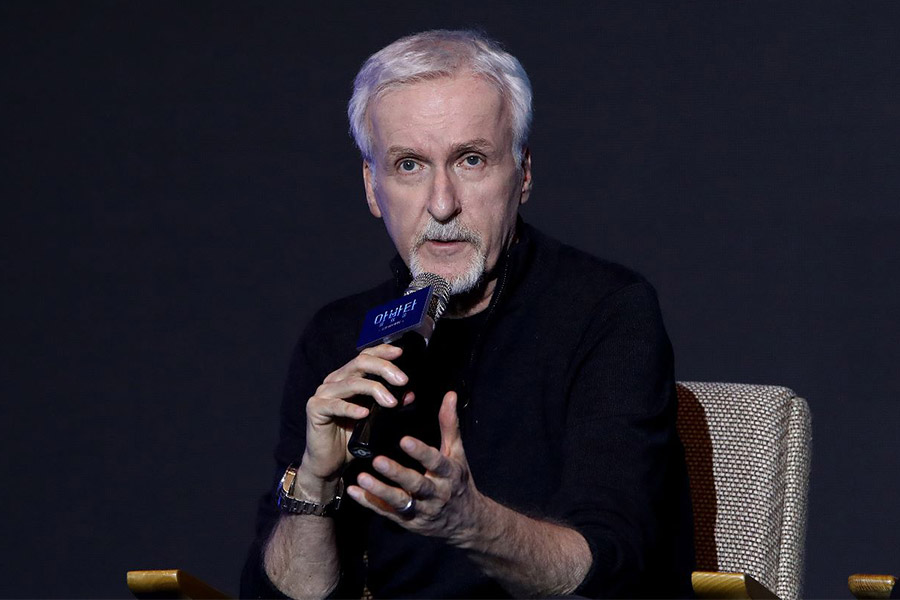
Hollywood filmmaker James Cameron has described the Palestinian struggle as “existential” while discussing the themes of colonialism and resistance in his latest film Avatar: Fire and Ash.
Cameron made the remarks during a Director Debrief interview with journalist Brandon Davis recently. The discussion revolved around how cinema reflects real-world conflicts and the ethical challenges of portraying violence on screen.
While speaking about the portrayal of war in Avatar: Fire and Ash, Cameron drew direct parallels between the fictional narrative and ongoing global crises. He linked the film’s depiction of cyclical violence to contemporary conflicts, including Gaza, Sudan, and Ukraine.
“It’s a fine line... killing only leads to more killing, an endless expanding spiral... That’s what we’ve seen. We’ve seen it in Gaza. We’ve seen it in Sudan. We’ve seen it in Ukraine,” Cameron said.
“There are some fights that are righteous. And total annihilation is a reason to fight. It’s existential,” he added.
Cameron further said that the film’s storyline, which follows the indigenous Na'vi resisting human colonisers, mirrors real-world struggles against imperialism, environmental destruction, and systemic violence.
He added that the themes of grief, loss, and redemption running through the film reflect what he described as humanity’s “greed and willful destruction”.
This is not Cameron’s first engagement with Palestinian–Israeli issues. Earlier in 2025, he served as executive producer for the documentary There Is Another Way, a 67-minute film focusing on Combatants for Peace, a grassroots organisation of Palestinians and Israelis advocating non-violence in the aftermath of the events of 7 October, 2023.
Avatar: Fire and Ash is the third instalment in the Avatar franchise.