|
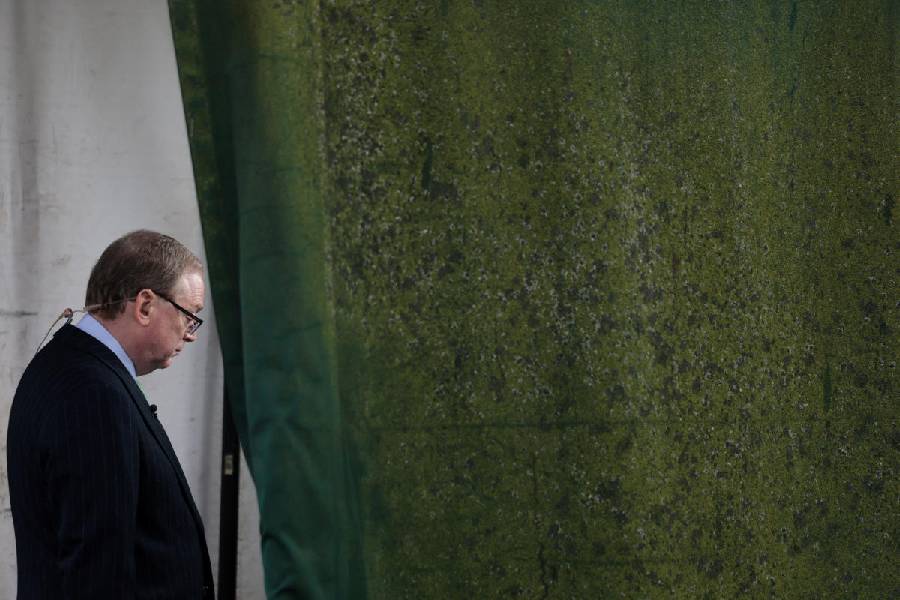
| Women involved in sex racket arrested in the capital during a recent raid. Telegraph picture |
Patna, March 9: Thirteen women aged between 25 and 40 were nabbed on March 6 from a guesthouse at Rajabazaar here. Cops said the women, who were involved in a sex racket, had been brought to the state capital from Buxar and Jehanabad.
Sources said sex rackets and trafficking of women and minor girls was a major concern for the state police. Although exact data is not available with any of the agencies fighting the menace, all of them claim the numbers of trafficked girls was alarming.
The proximity of the state to international borders helps the perpetrators.
“Trafficking is more common in the border districts. Poverty, illiteracy, unemployment and high population affects most of these places. Girls from large families often suffer domestic violence or trafficking,” said Suman Singh, the secretary of Sakhi, Patna, a non-profit organisation.
Singh said: “Most of these girls leave home in search of jobs. But they fall victim to pimps and traffickers who sell them off in red-light districts and brothels. According to rough estimates, around 10,000 women and children, aged between eight and 35, are trafficked from Bihar every year. Girls are sold for anything between Rs 500 and Rs 2 lakh. Then, they are taken to other states like Delhi and Rajasthan and also to neighbouring or Gulf countries. “Most of these girls and children live in miserable conditions and are vulnerable to sexually transmitted diseases like AIDS. They are forced into the sex trade, organ trade and begging,” added Singh.
According to the International Organisation for Migration, approximately 8 lakh men, women and children are trafficked annually. The National Human Rights Commission report suggests that 45.6 per cent of the girls trafficked are below 16 years of age. Most of them are raped before being sold off.
Y.K. Gautam, the state convener of Action Against Trafficking and Sexual Exploitation of Children, Bihar, said: “Police and the state government are trying to check human trafficking between Nepal and Bihar. But stricter measures are required to curb the menace. Patna has around 200 massage parlours and around 2,000 girls are involved in flesh trade at these establishments. Most of the girls are brought in from other districts and are minors. Even if the cops detain them, the owners of the parlours take them out on bail and force them back into the trade.”
The state government, however, has been proactive to prevent human trafficking and rehabilitate the victims. Bihar is one of the few states in India to have an action plan — Astitva — to combat human trafficking.
“The state government has distributed Rs 95 lakh in the fiscal 2010-11 to rehabilitate victims of trafficking. District collectors have been assigned Rs 90,000 to conduct awareness camps on prevention and rehabilitation,” said Upendra Jha, an officer on special duty, department of social welfare.