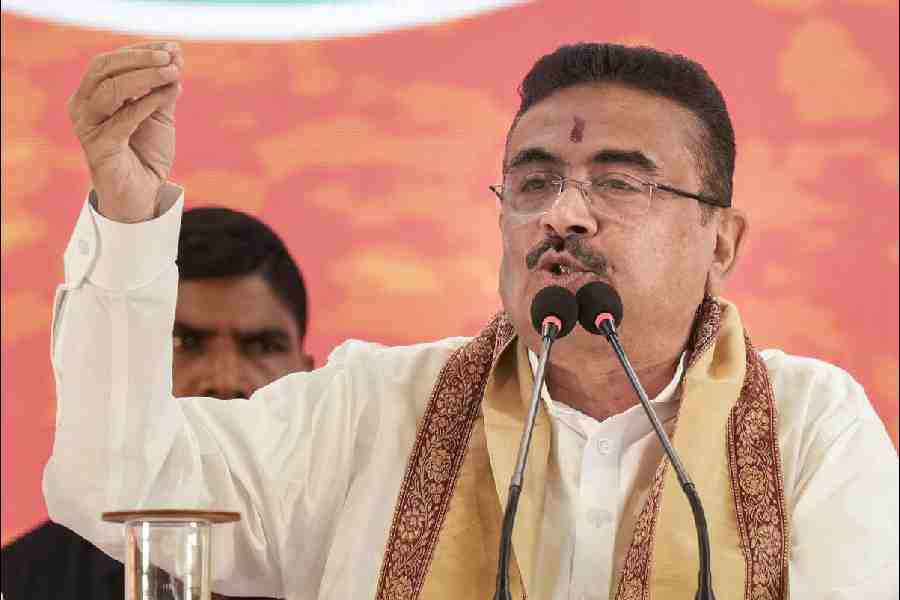
A day after Tehran dismissed U.S. President Donald Trump's 15-point ceasefire plan, the American leader claimed that Iran was "begging to make a deal," and that he wasn't the one pushing for negotiations. Earlier Thursday, Trump told Tehran to " get serious soon " on negotiating a deal to end the war.
A senior Iranian official said that the U.S. proposal for ending nearly four weeks of fighting is "one-sided and unfair". The proposal, conveyed to Tehran by Pakistan, "was reviewed in detail on Wednesday night by senior Iranian officials and the representative of Iran's Supreme Leader".
It lacked the minimum requirements for success and served only U.S. and Israeli interests, the official said, while stressing that diplomacy had not ended despite the lack for now of a realistic plan for peace talks.
Trump described the Iranians as “great negotiators” but said he was unsure he was “willing to make a deal” to end the war. He warned Tehran must reach an agreement or face continued military action, including what he called “an option” to seize control of Iran’s oil.
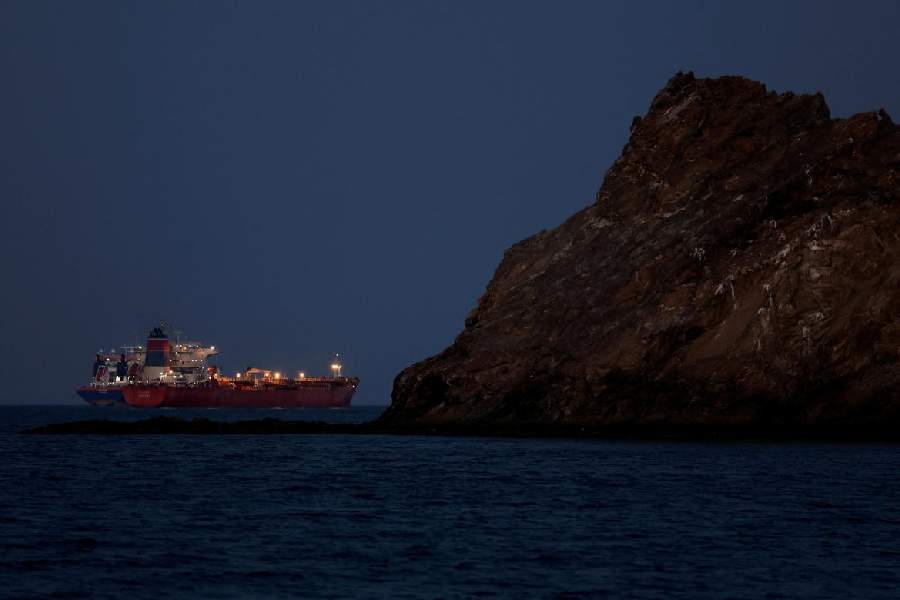
Iran has been blocking ships it perceives as linked to the U.S. and Israeli war effort from the Strait of Hormuz, but it's letting a trickle of others through the crucial waterway. Jasem Mohamed al-Budaiwi, of the Gulf Cooperation Council, a bloc of six Gulf Arab nations, said Iran was charging for safe passage through the strait.
"They now have the chance, that is Iran, to permanently abandon their nuclear ambitions and to join a new path forward," Trump said during a Cabinet meeting at the White House. "We'll see if they want to do it. If they don't, we're their worst nightmare. In the meantime, we'll just keep blowing them away."
His comments came as the economic and humanitarian toll of the conflict mounted, with fuel shortages spreading worldwide, sending companies and countries scrambling to contain the fallout.
Meanwhile, the U.S. was preparing for the arrival of thousands of troops that could be used on the ground in Iran.
U.S. Special Envoy Steve Witkoff confirmed that the U.S. had sent a "15-point action list" as a basis for negotiations to end the war, adding that there were signs that Tehran was interested in making a deal.
Pakistan's foreign minister said "indirect talks" between the U.S. and Iran were taking place through messages relayed by Islamabad, with other states including Turkey and Egypt also supporting mediation efforts.
But Iran's foreign minister said on Wednesday this did not amount to negotiation. "At present, our policy is to continue resistance and defend the country, and we have no intention of negotiating," Abbas Araqchi said.
Any talks, were they to happen, would likely prove very difficult given the positions laid out by both sides.
According to sources and reports, the 15-point proposal to end the conflict includes demands ranging from dismantling Iran's nuclear programme and curbing its missiles to effectively handing over control of the Strait of Hormuz.
Iran has hardened its stance since the war began, demanding guarantees against future military action, compensation for losses, and formal control of the Strait, Iranian sources say. It also told intermediaries that Lebanon must be included in any ceasefire deal, regional sources said.
Trump has not identified who the U.S. is negotiating with in Iran, with many high-ranking officials among the thousands of people killed in the war across the Middle East.
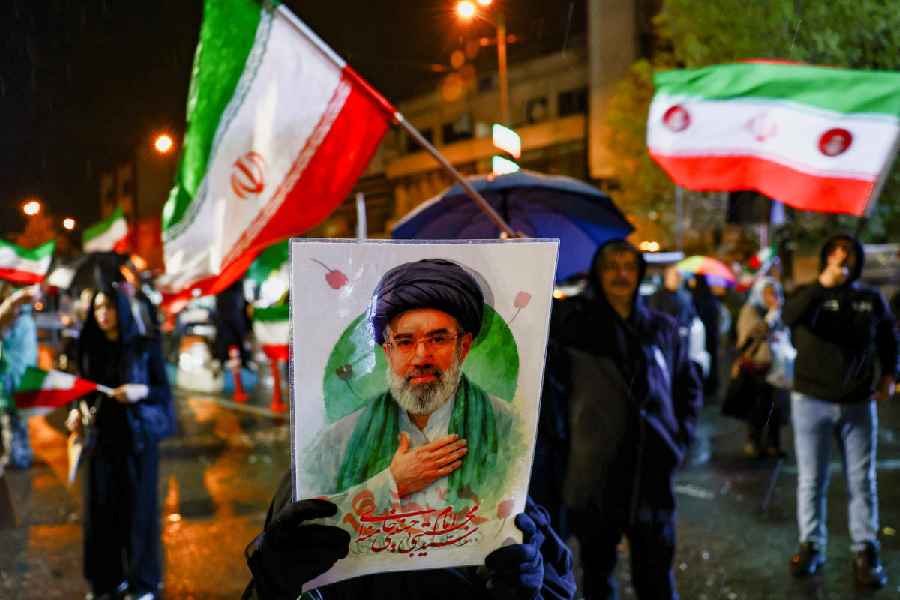
Iran's Supreme Leader Ayatollah Ali Khamenei was killed on the first day of the conflict and was replaced by his son Mojtaba, who has been wounded and has not been seen in public since his appointment.
A Western diplomat said the U.S. had taken a "maximalist" position and there were doubts about whether Washington was genuinely seeking to end the war or instead buying time to calm markets as it prepares for a potential ground operation.
On Thursday, Iran launched multiple waves of missiles at Israel, triggering air raid sirens in Tel Aviv and other areas and injuring at least five people.
In Iran, strikes hit a residential zone in the southern city of Bandar Abbas and a village on the outskirts of the southern city of Shiraz, where two teenage brothers were killed, Iran's Tasnim news agency said. A university building in Isfahan was reported to have been hit.
Israeli officials said Israel had killed the naval commander of Iran's Revolutionary Guards, and that it had many more targets left as it degraded Iranian capabilities.
Still, Israel took Araqchi and Iranian Parliament Speaker Mohammad Baqer Qalibaf off its hit-list after Pakistan urged Washington to press Israel not to target people who could be negotiating partners, a Pakistani source with knowledge of the discussion told Reuters. An Israeli military spokesperson declined to comment.
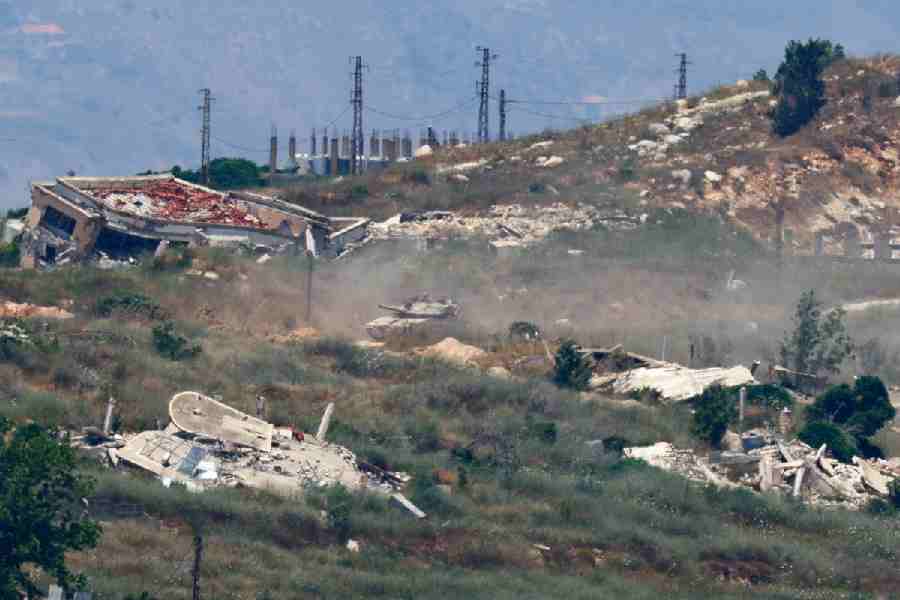
The death toll from the war has risen to more than 1,900 people in Iran and nearly 1,100 people in Lebanon, with dozens more killed in Israel and elsewhere in the region. Thirteen US. military members have died. Millions of people in Lebanon and Iran have been displaced.
Hopes of a resolution to the conflict that had boosted global stock markets in the previous session dimmed on Thursday, with oil prices resuming their surge.
The fallout from the war, which has caused the worst energy shock in history, has spread far beyond the region.
With the Strait of Hormuz, a conduit for a fifth of the world's oil and liquefied natural gas, effectively closed, the impact is rippling through sectorsfrom plastics and airlines to technology, retail and tourism.
Some governments are weighing support measures last used during the COVID pandemic. Farmers are struggling to source diesel for their tractors and tens of millions more people will face acute hunger if the war continues into June, the World Food Programme estimates.
Exchanges of missiles and drones across the Gulf continued on Thursday.
In Abu Dhabi, two people were killed and three others injured by debris from an intercepted ballistic missile, the government said.