The Kremlin said on Friday that Russian President Vladimir Putin had received a personal request from his US counterpart, Donald Trump to halt strikes on Kyiv until February 1 in order to create a favourable environment for peace negotiations.
Trump said on Thursday that Putin had agreed to refrain from firing on Kyiv and other Ukrainian cities for a week because of cold weather, but did not say when that period would expire.
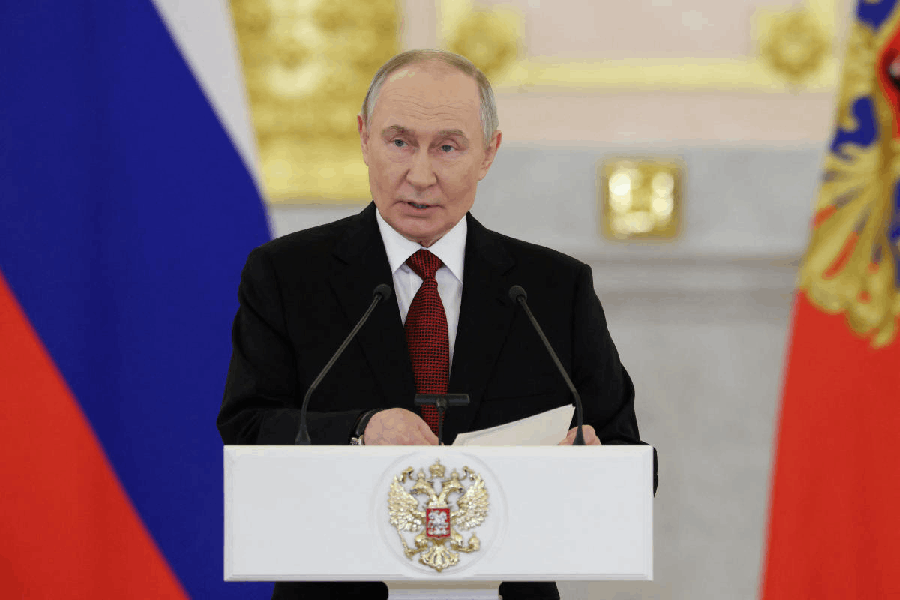
Kremlin spokesman Dmitry Peskov, replying to reporters' questions on Friday, did not cite the weather as a factor.
"President Trump did indeed make a personal request to President Putin to refrain from striking Kyiv for a week until February 1 in order to create favourable conditions for negotiations," he said.
Asked to confirm that Putin had agreed, he said: "Yes of course, there was a personal request from President Trump."
It was not clear whether Peskov was using "Kyiv" to refer only to the capital city, where hundreds of apartments have been left without heat and power after Russian strikes during the war in Ukraine, or to denote the whole of the country.
Ukraine has said it will reciprocate if Russia forgoes strikes on the country's energy infrastructure amid a period of bitterly cold weather.
Zelenskyy, who welcomed Trump's announcement, told AFP: "If Russia does not strike our energy infrastructure –- generation facilities or any other energy assets –- we will not strike theirs," in comments released under embargo until Friday.
The next round of trilateral peace talks between Russia, Ukraine and the United States were set to take place in Abu Dhabi on Sunday, but Ukrainian President Volodymyr Zelenskyy said on Friday the date or location could change.
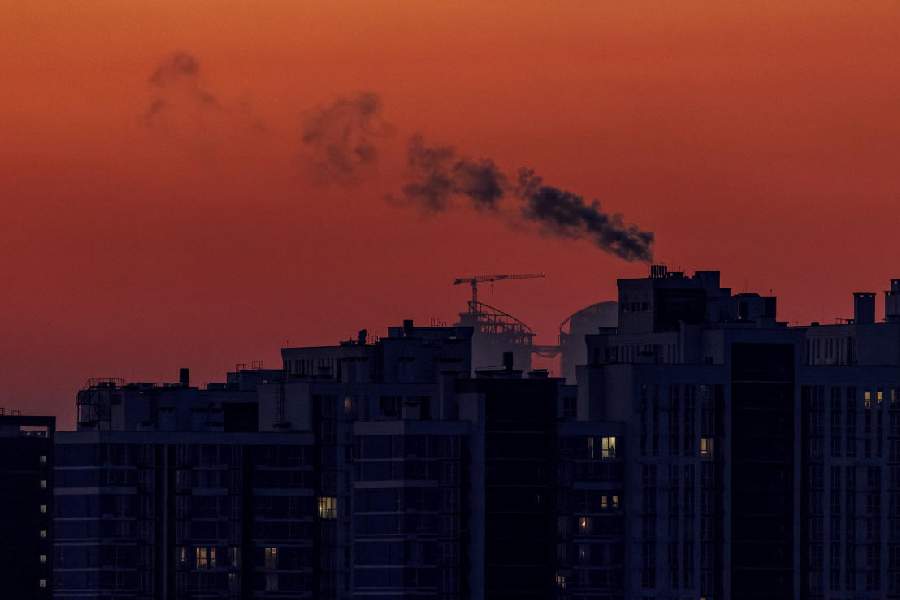
Zelenskyy said the opportunity to de-escalate the conflict was proposed by the United States during trilateral peace talks in Abu Dhabi last weekend. He added that the date or location for a follow-up round of talks, currently scheduled for this Sunday in the United Arab Emirates, could change.
"The Americans said they want to raise the issue of de-escalation, with both sides demonstrating certain steps toward refraining from the use of long-range capabilities in order to create more space for diplomacy," Zelenskyy told reporters in Kyiv, in remarks released by his office on Friday.
"At this stage, this is an initiative of the American side and personally of the President of the United States. We regard it as an opportunity rather than an agreement."
The Ukrainian Air Force said on Friday that Russia had launched a ballistic missile and 111 drones in overnight attacks targeting Ukraine.
Regional officials reported airstrikes in frontline regions, but there were no reports about attacks on energy targets. If implemented, a ceasefire for the energy sector would come at a critical moment in the war, which will mark its fourth anniversary next month.
Russian troops are continuing their grinding advance in Ukraine's eastern Donetsk region, and Moscow sends hundreds of drones in nearly daily attacks on Ukrainian towns and cities far from the frontlines.
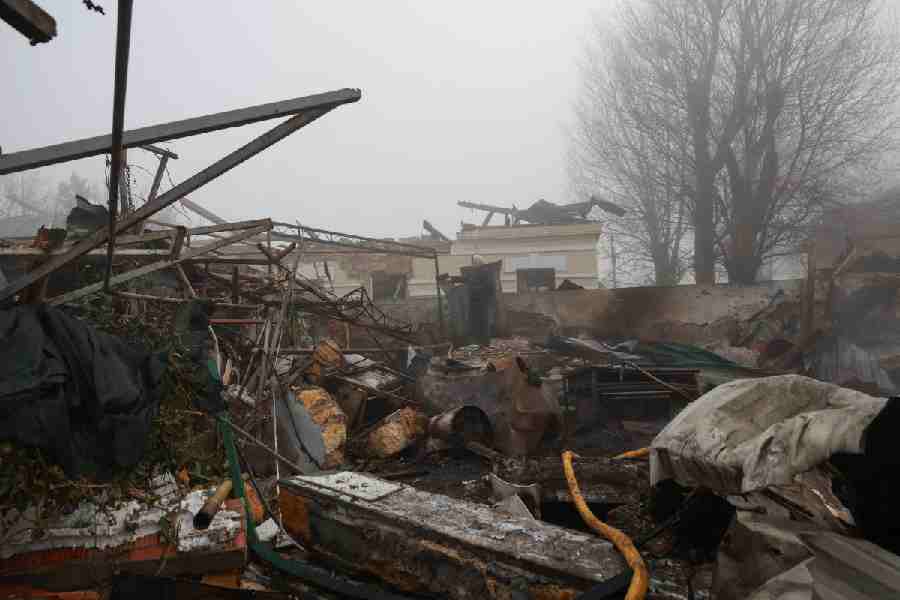
Since autumn last year, Russia has intensified its strikes on Ukraine's power sector, plunging Kyiv into darkness and cold amid one of the harshest winters of the past decade.
Diplomatic efforts to end the war have so far produced no tangible results. Zelenskyy said that the sensitive territorial issue of Donetsk and the Zaporizhzhia nuclear power plant, Europe's largest, remained unresolved. Putin's demand that Ukraine surrender the 20% it still holds of Donetsk - about 5,000 sq km (1,900 sq miles) - has proven a major stumbling block to any deal. Zelenskyy has ruled out giving up territory that Ukraine has shed blood to defend during years of attritional fighting.
Zelenskyy said he did not know when the next meeting of Russia, Ukrainian and US negotiators would take place.
US Secretary of State Marco Rubio had said on Wednesday that President Donald Trump's top envoys Steve Witkoff and Jared Kushner, who attended the previous round of talks, would not participate in the weekend meeting in Abu Dhabi. Zelenskyy said it was important that all the same personnel be present at the next round of talks, to monitor the progress of what was previously discussed.
"But the date or the location may change – because, in our view, something is happening in the situation between the United States and Iran. And those developments could likely affect the timing," Zelenskyy said.