Wednesday, 03 June 2026
Wednesday, 03 June 2026
Wednesday, 03 June 2026
Protests intensified across Pakistan on Tuesday over the killing of Iran’s Supreme Leader Ayatollah Ali Khamenei in a coordinated US-Israeli airstrike on Tehran, with students and rights activists staging a demonstration outside the US Consulate in Lahore even as controversy mounted over the firing on protesters in Karachi that left multiple people dead.
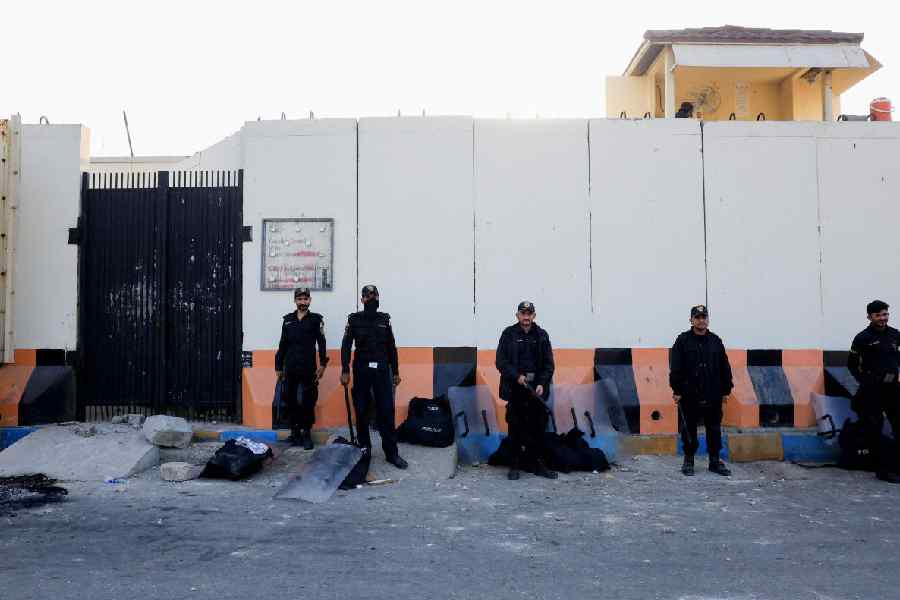
A heavy police contingent, including women personnel, was deployed outside the American Consulate in Lahore, with containers placed on roads leading to the mission to block demonstrators. Protesters representing the Progressive Students and the ‘Aurat March’ chanted slogans against the United States and Israel, condemning the assassination of Iran’s top leader and demanding the expulsion of the US ambassador.
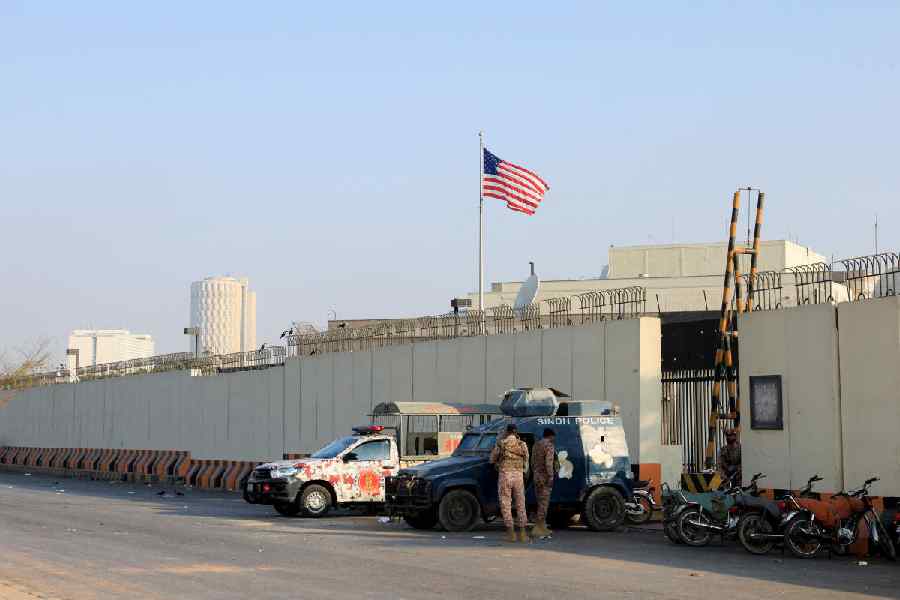
The fresh protests followed deadly unrest in Karachi on Sunday, where demonstrators attempting to storm the US Consulate were met with force. While Pakistani authorities earlier said police used tear gas and rubber bullets, international wire reports quoted US sources as confirming that American Marines had opened fire. The exact circumstances and casualty figures remain contested.
Pakistani religious and political leaders have claimed that more than 20 people have been killed nationwide in protest-related violence since the assassination, with fatalities reported in Karachi, Islamabad, Gilgit and Skardu.
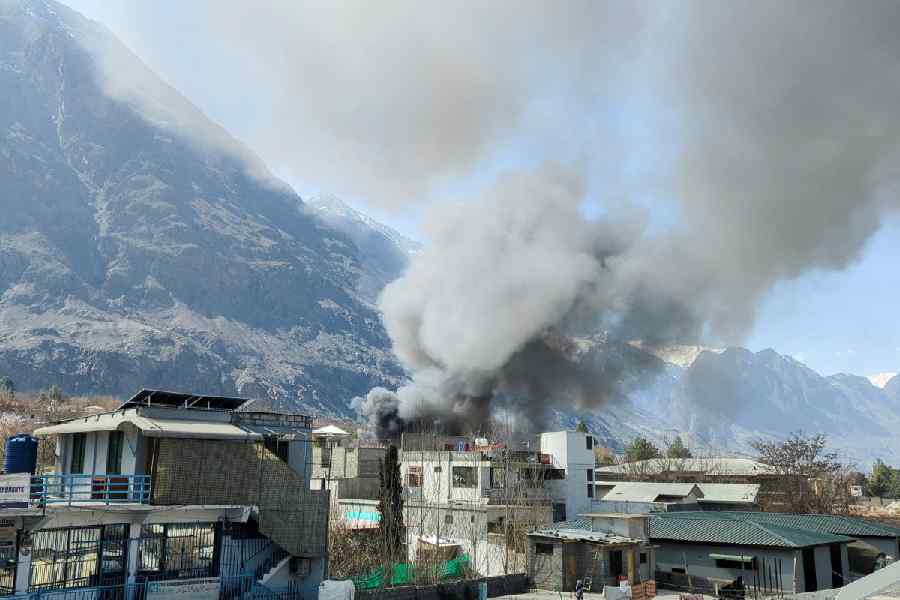
Pakistani authorities deployed troops and imposed a three-day curfew before dawn in the northern cities of Gilgit and Skardu after violent protests left at least 12 people dead and 80 injured, police in Gilgit-Baltistan said.
On Sunday, thousands of Shiite demonstrators attacked the offices of the U.N. Military Observer Group, which monitors the Kashmir ceasefire, and the U.N. Development Programme in Skardu.
In Gilgit, protesters burned a police station and damaged a school and the offices of a local charity, officials said.
In Karachi, at least 10 people were killed on Sunday when Shiite protesters, who make up about 20 per cent of Pakistan’s 240 million population, tried to storm the US consulate on Sunday.
Dr Mohammad Sabir Memon, executive director of Civil Hospital Karachi’s Trauma Centre, told Dawn that 10 people died and 31 were injured in the unrest near the consulate. Senior police official SSP Asad Reza said police used tear gas and rubber bullets after protesters attacked them.
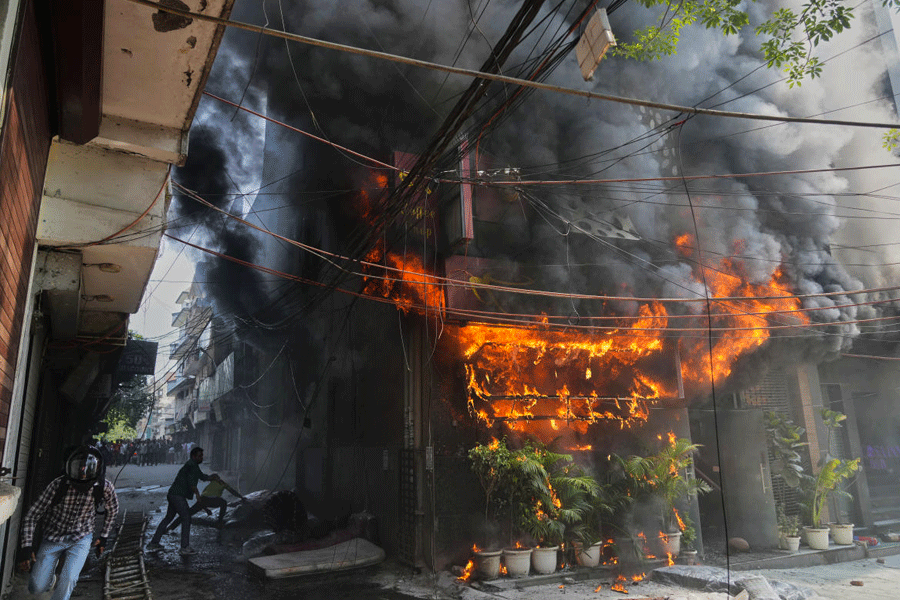
Violent clashes and arson were reported in several cities.
The US Embassy in Islamabad said it was monitoring reports of demonstrations at the US Consulate General in Karachi and Lahore. Interior Minister Mohsin Naqvi urged citizens not to take the law into their hands and to “record their protest peacefully”.
Protests were also held in Islamabad, Peshawar and Quetta, where demonstrators clashed with law enforcement personnel, who in several instances resorted to shelling to disperse the crowds, The News International reported.
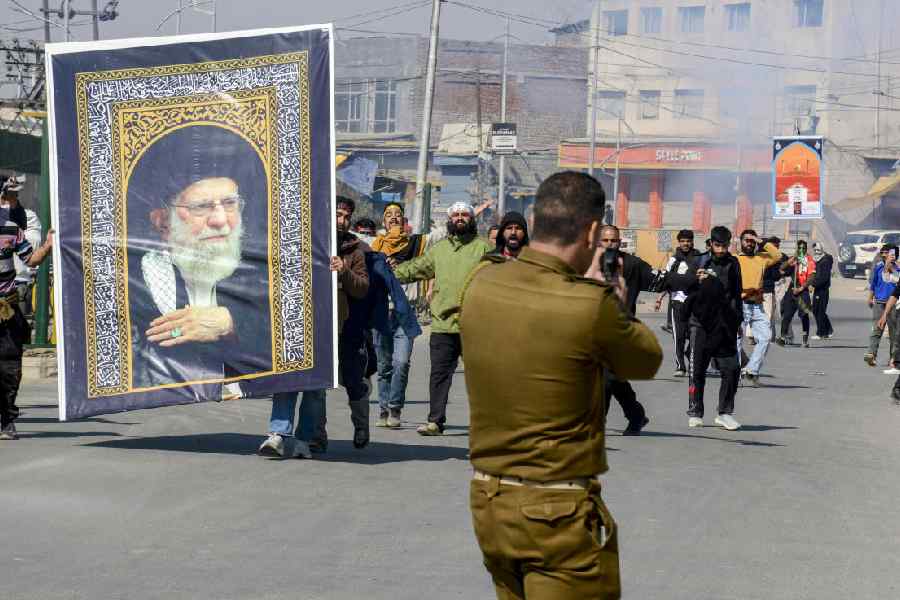
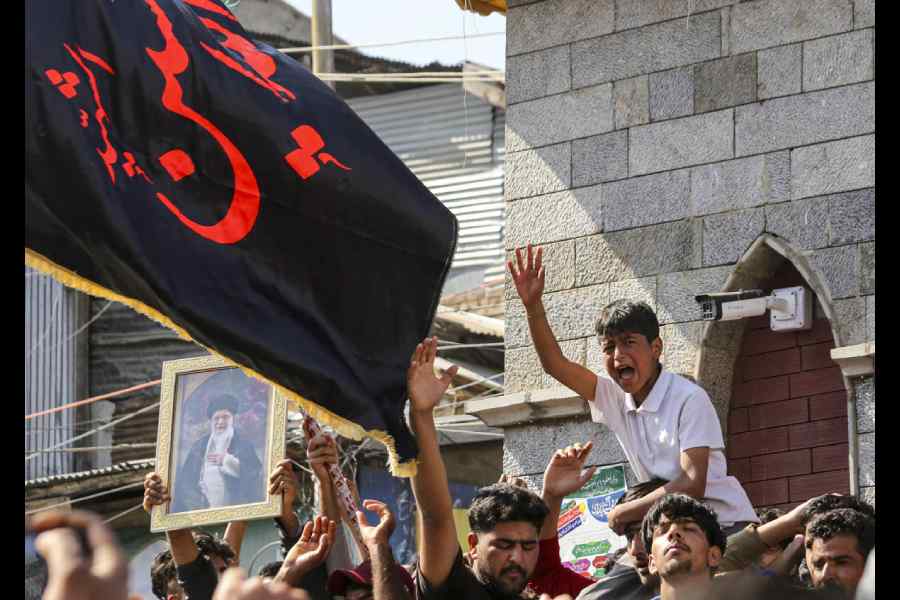
In India, Shiite Muslims organised rallies across the country, from Kashmir to Kochi, to protest Khamenei’s killing.
In Kashmir, fresh protests broke out on Monday. Authorities imposed movement restrictions and throttled mobile internet speeds.