Countries are bracing for a surge in energy prices as the Strait of Hormuz faces a de facto closure, prompting governments from Sri Lanka to Bangladesh to roll out rationing, price hikes and conservation measures amid volatile global oil markets.
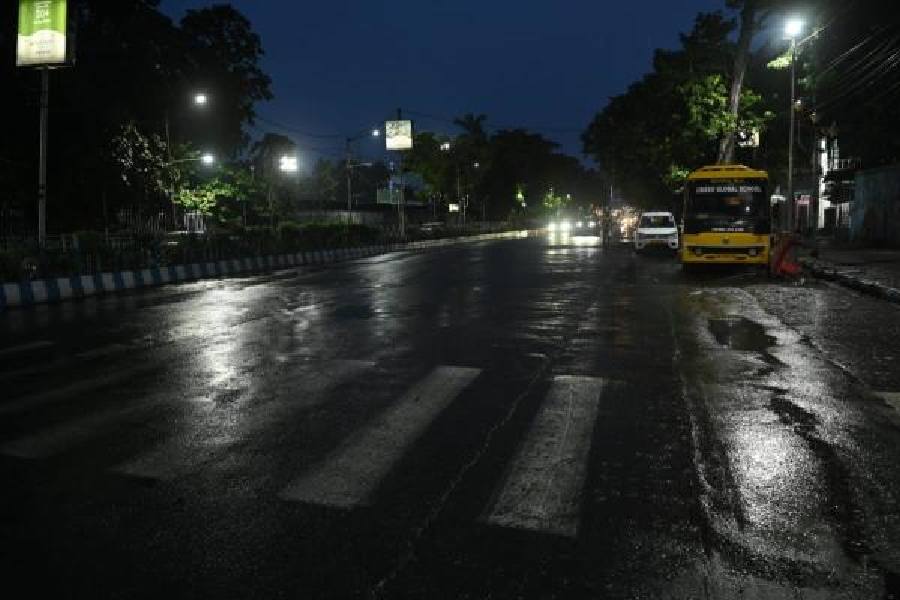
The island nation raised fuel retail prices at midnight, the second such hike in a week.
As a conservation measure, the government had rationed fuel retail distribution based on a QR code issued for each vehicle.
"We urge the public to consume electricity and fuel mindfully and limit energy consumption to a minimum," said government spokesman and minister Nalinda Jayatissa.
He warned against hoarding fuel and sought information on such attempts.
Jayatissa said that despite the recent fuel price hikes, the government is still incurring a monthly cost of Rs 20 billion by subsidising Rs 100 per litre of diesel and Rs 20 per litre of petrol.
The minister said that in the absence of the fuel revision, the government would have had to bear an additional burden of approximately $1.5 billion.
On 11 March, Japan had stated that it would release 45 days' worth of state and privately-held strategic oil reserves.
Bangladesh, too, had imposed daily limits on fuel consumption. Under the limits, motorcycles can buy up to 2 litres of octane or petrol a day; private cars 10 litres; SUVs, jeeps and microbuses 20–25 litres; pickups and local buses 70–80 litres; and long-distance buses, trucks and container carriers 200–220 litres of diesel.
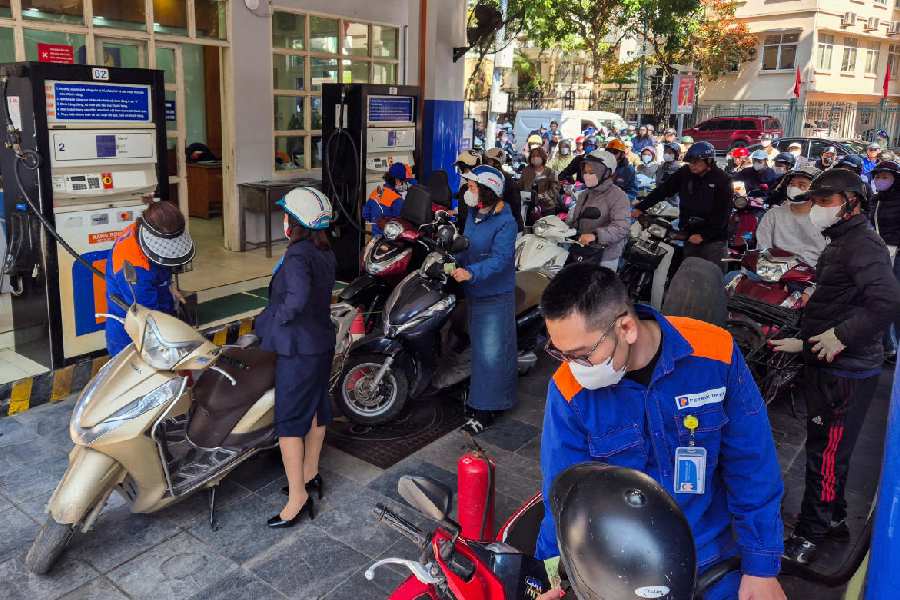
Vietnam has urged local businesses to encourage their workers to opt for a four-day work policy, while Pakistan has mandated the same for government officials and a 50 per cent work-from-home policy for the public and private sectors.
Myanmar's junta announced the launch of a sweeping fuel rationing system for private vehicles a few days back, blaming disruptions to the global energy supply chain caused by escalating hostilities in the Middle East.
The country's National Defence and Security Council (NDSC) said the new regulations, effective March 7, 2026, were a response to "global political situations" and armed conflicts in the Middle East, which have obstructed oil shipments.