Children should be taught in school how to navigate their lives on social media, especially at a time when the virtual world feels more real to them than the physical space around them, according to a panel which discussed abuse is no longer limited to physical forms alone.
Violence has shifted to a great extent from physical to digital space, said psychotherapist and school counsellor Farishta Dastur Mukerji.
“Adults need to acknowledge that children and adolescents live 50% of their lives online. Digital space is real for them, and school administrators and heads must incorporate how to navigate the online world into the school curriculum,” said Dastur Mukerji.
“In our classrooms, just as we teach them how to read, how to go up on stage and talk, we need to teach them how much information to put out there, do they know who they are engaging with online?” she said.
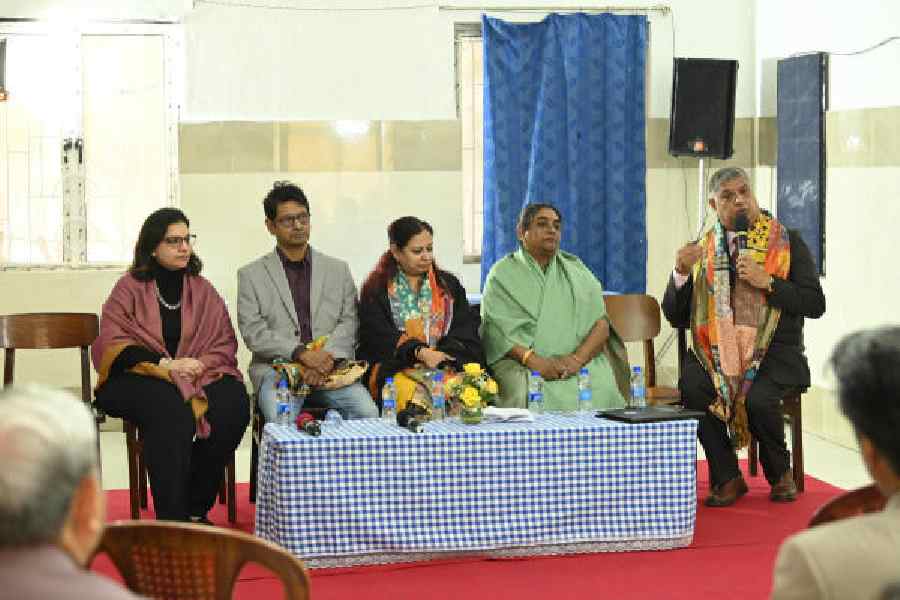
Dastur Mukerji was on the panel that discussed the Pocso (Prevention of Children from Sexual Offences) Act in schools at the 103rd annual conference of the Association of Heads of Anglo-Indian Schools in India at La Martiniere for Girls.
Moderated by Amrita Dasgupta, director of Swayam, a feminist organisation, the session also had Ian Myers, the principal of Frank Anthony Public School, Rachel
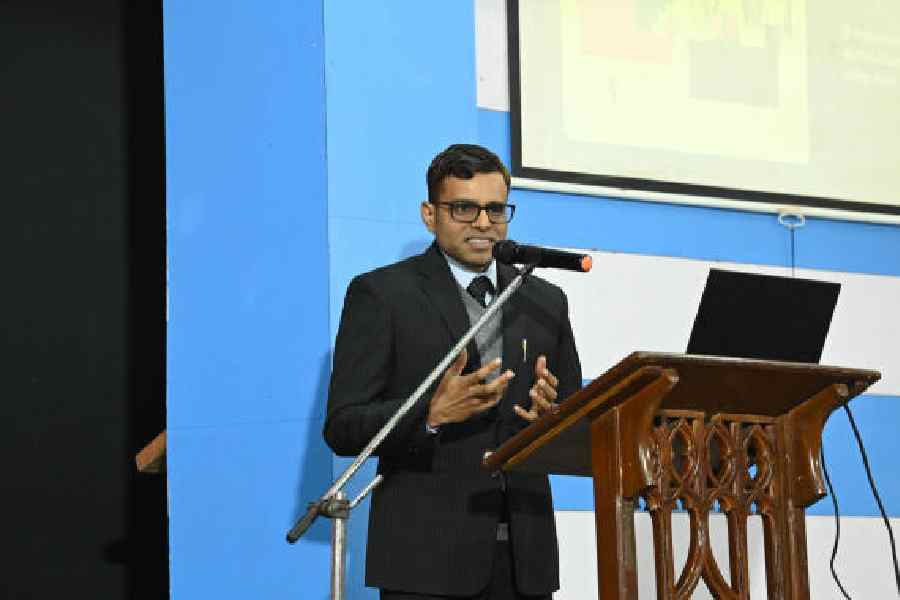
Elias, the principal of St Thomas’ Girls’ School, Kidderpore, and advocate Kaushik Gupta.
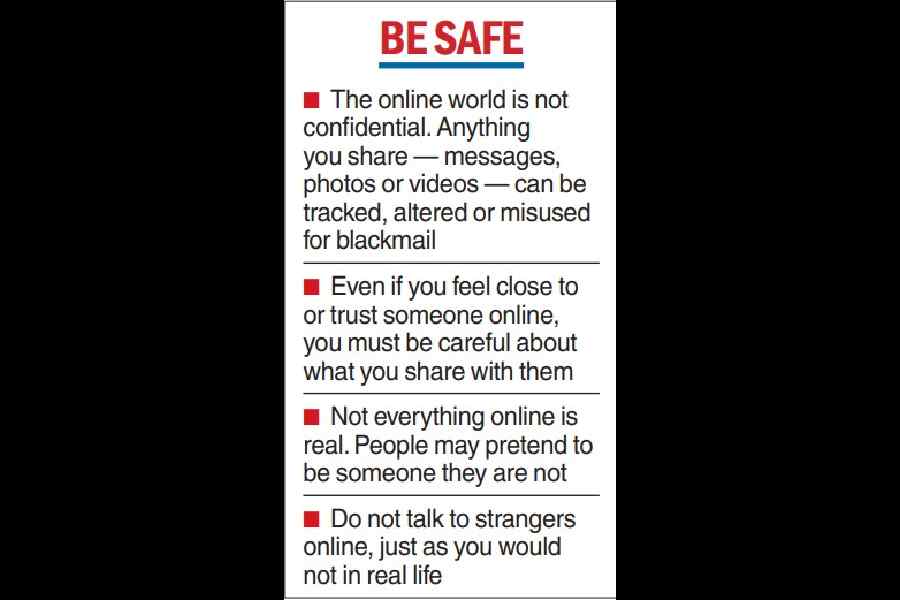
Exchange of inappropriate messages, sexual connotations in communication among children, deepfakes and examples of fake identities online are some of the other challenges of the online world that the panel discussed.
While some teachers noted that children’s access to devices begins at home, Dasgupta said parents are not a “homogeneous group” and cannot replace schools in systematically teaching online safety.
“Personal safety and safety online has to be incorporated in the curriculum, including consent boundaries and appropriateness of behaviour, otherwise we would be
creating a generation which doesn’t know how to keep themselves safe and knowingly or unknowingly will put others at risk with their behaviour,” she said.
Dasgupta said young people were engaging in intimate relationships a lot earlier.
“The forms of abuse have changed, and it is no longer a relative or a teacher alone; it is also someone the same age or somebody a year or two older, something that has to be attended to no matter how uncomfortable it makes us feel,” she said.
Rachel Elias of St Thomas Girls’ said children often kept their “social media accounts” secret from their parents.
This can lead to deeper problems, she said.
“Difficulty lies when the family doesn’t want to keep up, which happens a lot of the time. The safety of the child is the first concern, and so reporting is important to keep the child safe,” said Elias.
Teaching children about online safety is now part of life skills, said La Martiniere for Girls principal Rupkatha Sarkar.
“We cannot take away social media from the life of a societal being, and so we have to be mindful as adults ourselves and for children,” said Sarkar, also the president of the Association of Heads of Anglo-Indian Schools in India, Bengal chapter.
“If you jump the traffic signal after knowing the rule, you bear the consequences. It is the same with social media. The rules are there to make life easy and productive, but the choice is of the individual,” she added.