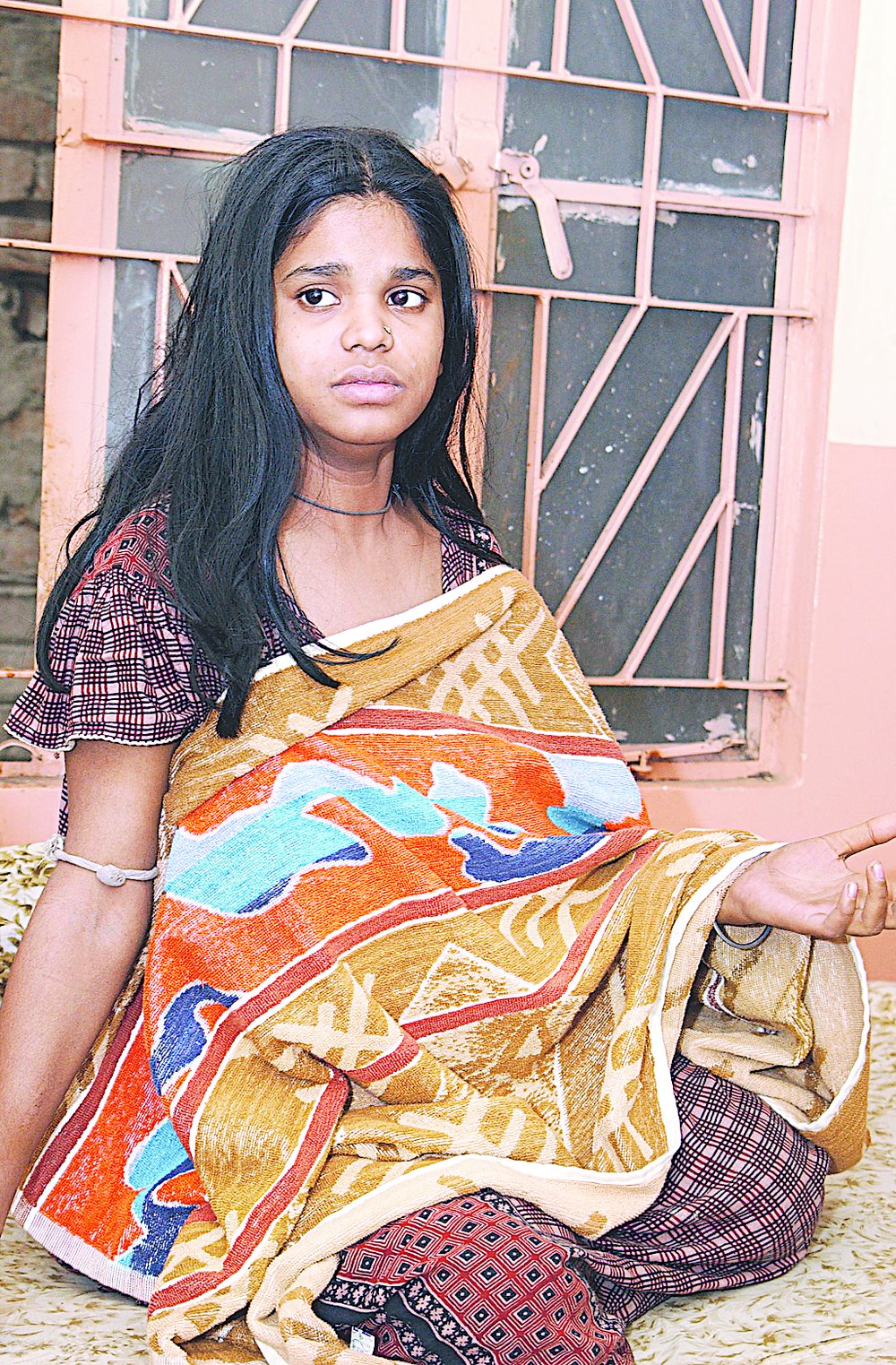

When Rimi Dandapat, a 29-year-old woman from Burdwan district in West Bengal, came to know that she was pregnant after trying for two years, she was naturally delighted. This happiness was, however, short-lived. She developed gestational diabetes mellitus (GDM) at the beginning of her second trimester but her doctor too did not realise it. It was diagnosed only after she suffered a miscarriage. If her GDM had been diagnosed and treated in time, the child would have survived. Unfortunately, there is a lack of awareness among primary healthcare professionals about GDM.
GDM is a condition in which women without a previous history of diabetes exhibit high blood glucose levels during pregnancy (especially the third trimester). Babies born to mothers with untreated gestational diabetes can develop several complications. "Women with GDM are more likely to give birth to macrosomic or large-for-gestational-age infants. It may result in obstructed labour, the death of the mother and the baby as well as birth injury for the infants," says Sourabh Sinha of the Public Health Foundation of India (PHFI). Besides, there is a four-fold increase in the risk of prenatal mortality in pregnancies with GDM. A sizeable share of the 3 million stillbirths in the country annually is due to GDM.
According to International Diabetes Federation (IDF), 21.4 million or 16.8 per cent of live births to women in 2013 had some form of hyperglycaemia in pregnancy. In India, as many as six million births are affected by hyperglycaemia, of which 90 per cent are due to GDM. IDF, which has undertaken a project along with the Chennai-based Madras Diabetes Research Foundation to tackle rising prevalence of GDM in India, says Indian women are more prone to GDM than their Caucasian counterparts.
If unrecognised and untreated, GDM threatens the lives of both mother and baby. Also, GDM has long-term consequences. It has been found that more than 50 per cent of women with GDM have a chance of developing type 2 diabetes within 5-10 years of delivery. And infants of women with GDM have are prone to obesity as well as have a higher risk of developing type 2 diabetes later in life, says Sinha.
Unlike other developing countries, in India primary healthcare physicians play the major role in prevention, detection and management of GDM. Hence it is essential to train these professionals to manage GDM better.
"PHFI has decided to train the primary health care physicians, gynaecologists and endocrinologists," about diagnosing and managing GDM, says Dr Sandeep Bhalla, programme director (training) at Centre for Control of Chronic Conditions, which the New Delhi-based PHFI has set up jointly with the All India Institute of Medical Sciences, New Delhi, the London School of Hygiene and Tropical Medicine and Emori University in the US.
"PHFI has joined hands with Dr Mohan's Diabetes Education Academy, Chennai, to offer certificate course in evidence-based diabetes management (CCEBDM). These courses are being offered via state governments and municipal corporations so that they have a proper reach. Some of the states interested in the course are West Bengal, Gujarat, Kerala and Madhya Pradesh," says Dr Bhalla.
About 11.69 per cent of women in West Bengal, especially in the rural areas, have GDM, recent study published in the Global Journal of Medicine and Public Health found. To combat this, the Municipal Corporation of Calcutta has trained at least 20 medical officers. Says Dr Snehangshu Chaudhury, chief municipal health officer, KMC, "There is an urgent need to build capacity in the area of diabetes management. With the adoption of CCEBDM course, the KMC doctors now have the confidence to treat and manage diabetes at an early stage."
The Gujarat government too aims to train 50 doctors, 30 physicians and 20 gynaecologists. "In a state where the prevalence of GDM is about 14-15 per cent, it is absolutely essential to have such training programmes," says Dr V.K. Abhichandani, who is leading the CCEBDM project in Gujarat and a consultant diabetologist with Al-Ameen Hospital in Khanpur, Ahmedabad, among others. The introduction of the new course has increased the awareness of people. "As a result, more and more people are getting screened everyday," Abhichandani has noticed.
Dr S.A. Hafiz who is heading the CCEBDM programme in Kerala and is executive director, State Health Systems Resource Centre - Kerala, believes that GDM occurs due to a few obvious factors. "Diet is just one of them, genetics must be the other but the prevalence of GDM could be due to the weight that pregnant women put on during the third trimester," says Hafiz.
Food plays a vital role in controlling diabetes. Salis Sherill, a notable dietician says, "The prevalence of GDM in India varies greatly. The figures are low in the northern region of Jammu and higher in the southern state of Tamil Nadu. These widely ranging statistics may reflect a true variation in GDM prevalence throughout the subcontinent, but may also be partially accounted for by discrepancies in protocols for screening and diagnosis, and access to care or changes in risk factors in different geographic regions."
Meanwhile, Rimi Dandapat is pregnant again. This time her GDM has been diagnosed and is being managed. By making proper care available to the GDM-affected pregnant women, India may be able to make a dent in its high maternal and infant mortality rates.