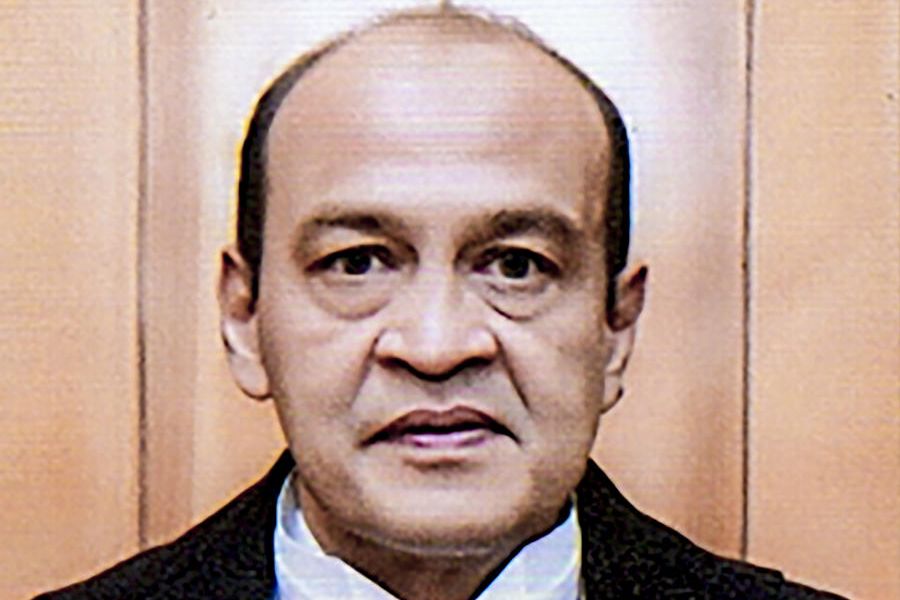
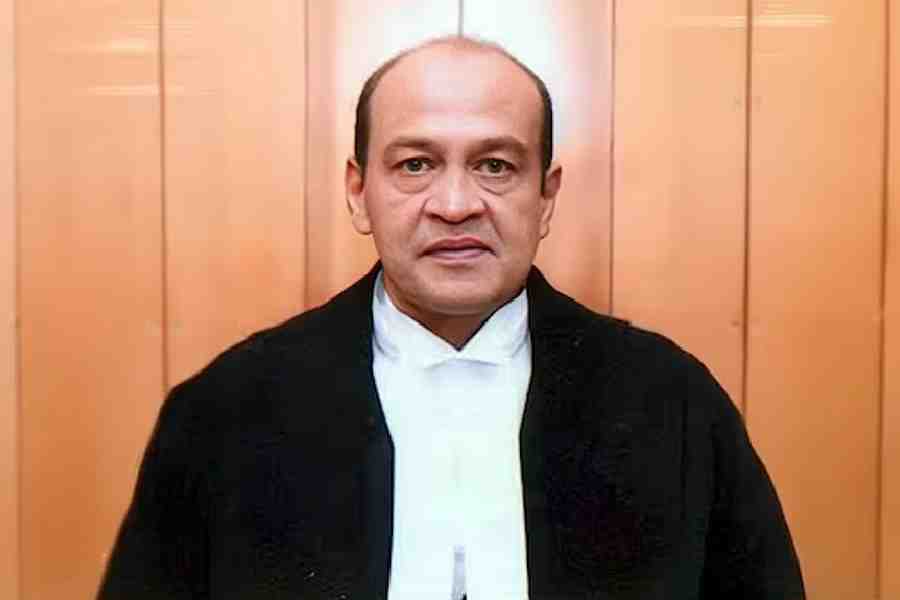
The resignation of Yashwant Varma on April 9 brings an abrupt end to impeachment proceedings that had moved steadily through Parliament over the past year. The letter was sent to President Droupadi Murmu, making the motion for his removal ineffective.
The case began with a fire at the judge’s official bungalow in Tughlak Crescent in New Delhi on March 14, 2025. Firefighters found wads of burnt currency at the site, triggering internal action within the judiciary.
On March 15, officials of the Delhi High Court inspected the residence on the directions of Chief Justice D. K. Upadhyay. Two days later, Upadhyay met then Chief Justice of India Sanjiv Khanna.
By March 20, photos and videos from the spot were shared with the CJI. The same day, an English daily reported the alleged recovery of semi-burnt cash. On March 21, the CJI sought a written response from Justice Varma.
A day later, the judge replied and rejected the allegations. The Supreme Court set up a three-member committee to examine the charges and placed material from the in-house inquiry, including visuals, on its website.
On March 28, Justice Varma was transferred to the Allahabad High Court. He was not given judicial work. On May 3, the inquiry panel held him guilty of misconduct and recommended removal.
On May 8, then CJI Khanna wrote to the President and Prime Minister Narendra Modi seeking impeachment after the judge refused to step down.
Justice Varma challenged the inquiry report in the Supreme Court on July 17 and sought an urgent hearing on July 23. The court reserved its order on July 30 and dismissed his plea on August 7.
On August 12, Lok Sabha Speaker Om Birla admitted a multi-party motion for his removal. The matter returned to the Supreme Court on December 16, when it agreed to hear his challenge to the Speaker’s move to form a committee.
On January 16, 2026, the court dismissed his plea, stating that a provision in law cannot be used as a weapon to stop parliamentary proceedings.