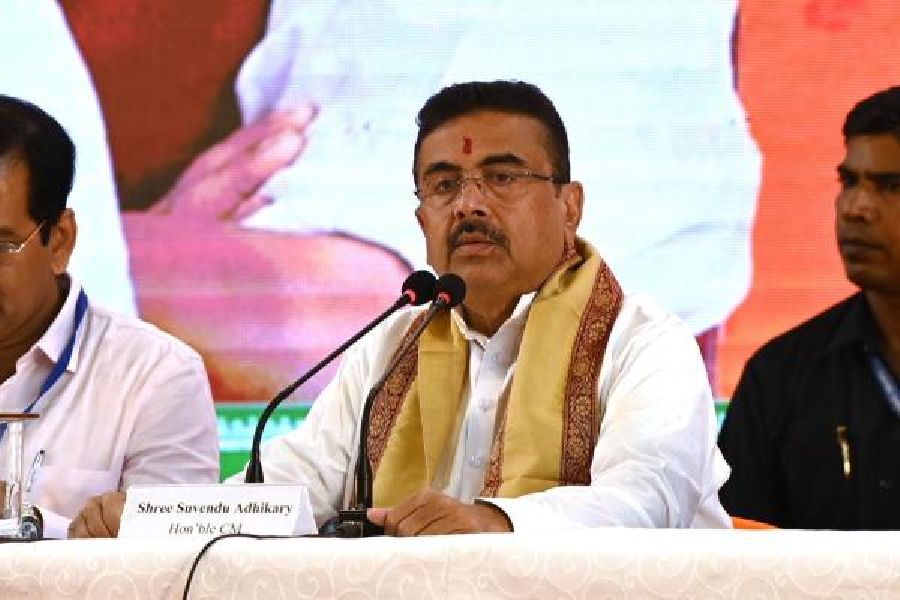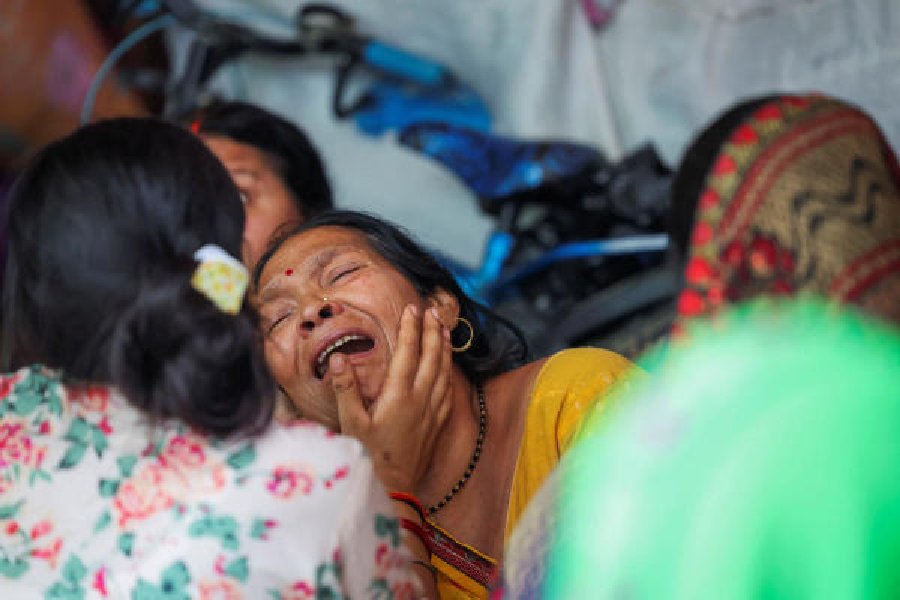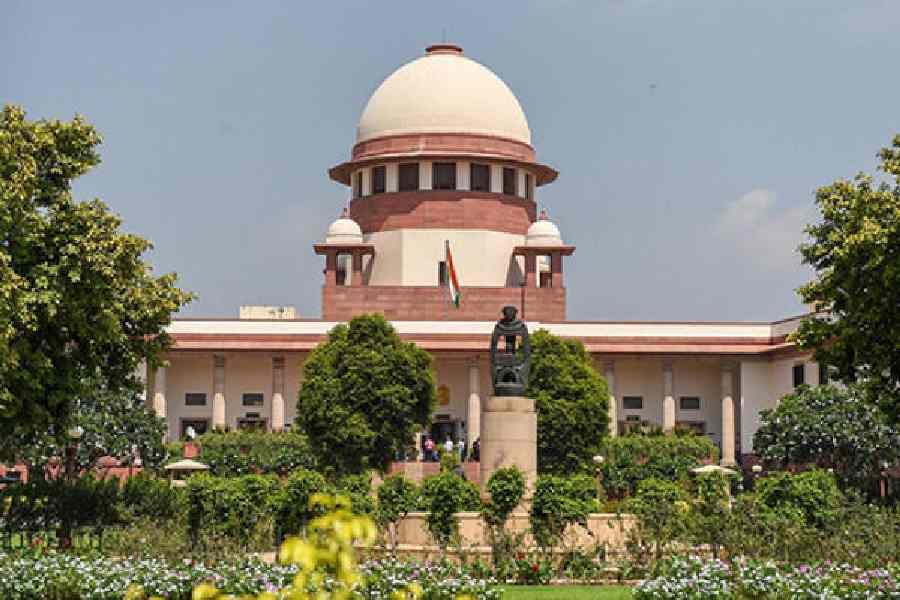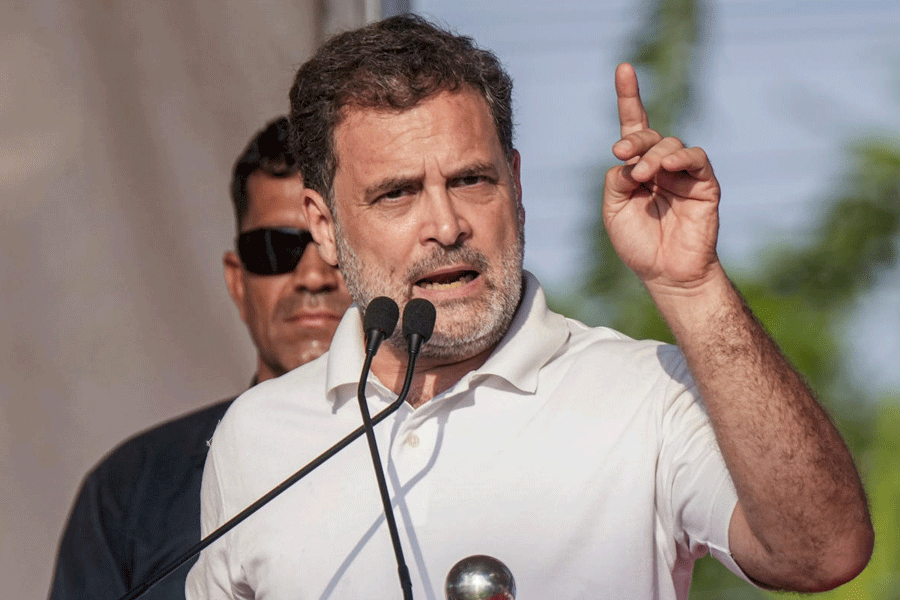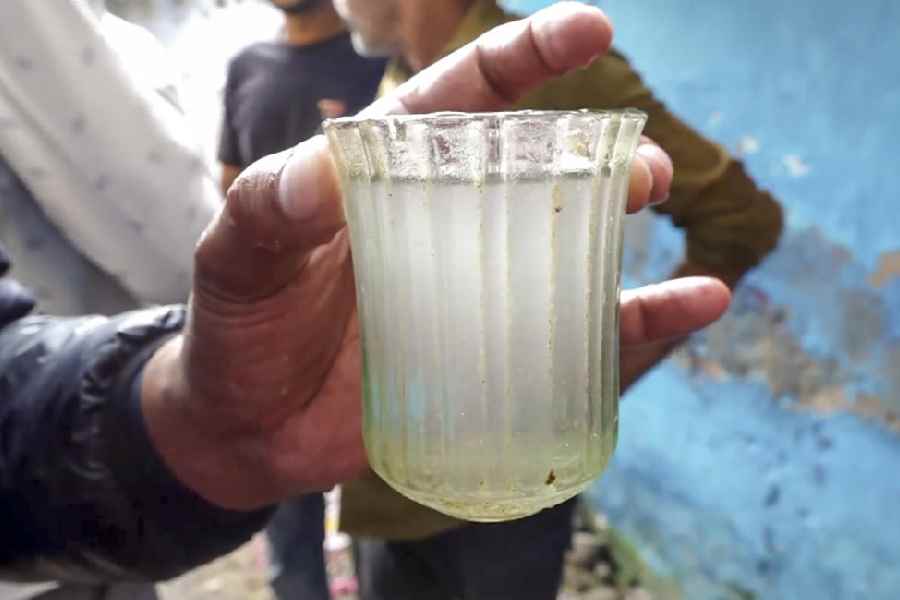
Responding to a public interest petition concerning the deaths that have taken place on account of water contamination in Indore — supposedly India’s cleanest city because of the strides taken in sanitation — the Madhya Pradesh High Court directed municipal authorities to supply additional water tankers and uphold Indore’s “beauty”. But Indore’s beauty has been smeared by an ugly truth: the deaths of several residents — many more are in hospital — due to toxic water can be attributed to institutional inertia and civic indifference that led to a festering problem to balloon into a public health crisis. A report by the State Pollution Control Board had identified the mixing of sewage with drinking water sources in Bhagirathpura, one of the hotspots of the outbreak, along with 58 other spots in Indore way back in 2016-17. A corporator of the Bharatiya Janata Party, Kamal Waghela, has alleged that he had written to the civic body to change water pipes in Bhagirathpura but nothing was done. At least 10 people — that is the official figure — and hundreds of hospitalisation are the consequences of this official apathy. The insensitive remark by Kailash Vijayvargiya, a senior BJP leader, when asked about the crisis, typifies the indifference that often leads to collective suffering. The lack of accountability, one of the deficits of New India’s democracy, augments such imperiousness.
The political war of words regarding the water contamination deaths in Indore is unsurprising. But that should not deflect public attention from the fact that creaky civic infrastructure and its fatal consequences — whether it is death by drinking water or anything else — remain on the margins of India’s electoral consciousness, especially when the victims are not affluent. This is a great shortcoming and must be rectified. Errant officials and politicians must be punished and corrective action taken. The other mystery — Indore topping cleanliness charts despite such a wart — needs to be explained too.