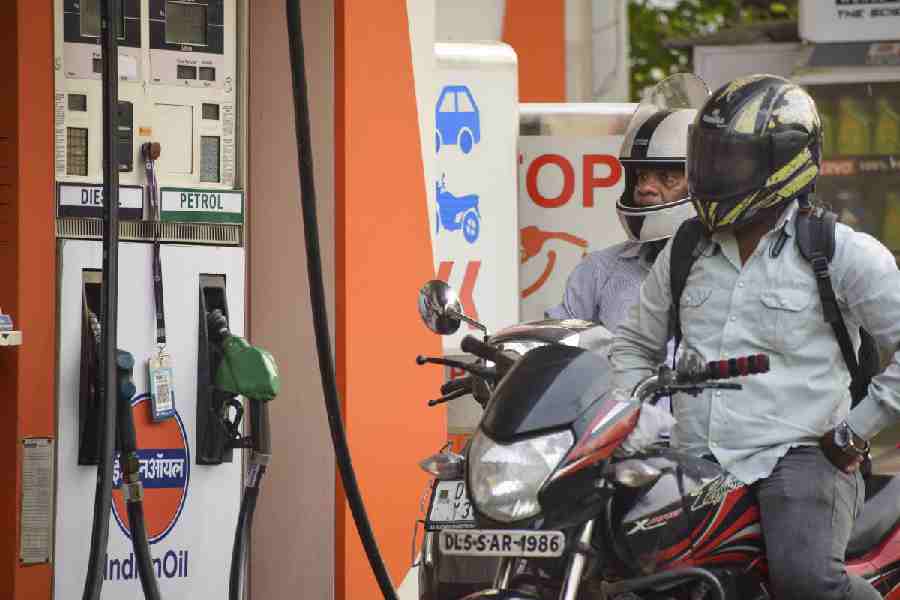
Two consecutive hikes in fuel prices exposed the scale of India’s economic vulnerability at a moment of deep external uncertainty caused by the crisis in West Asia. Petrol, diesel and LPG prices are now transmitting inflation across the economy through heightened costs in transport, manufacturing and household consumption. Analysts estimate that fuel price hikes alone could add 10-25 basis points to inflation in the coming months, while petroleum and natural gas prices had already risen more than 67% year-on-year in April. Crude oil prices above $100 a barrel are increasing the bills of a country that imports nearly 90% of its oil and 50% of its natural gas. The effects are visible across sectors. Major FMCG companies have implemented price hikes ranging from 3% to 7%, milk and bread prices have increased, as has the cost of home-cooked meals. The pressure on household budgets is becoming severe as wages remain stagnant and employment generation weak. Incidentally, India’s employment elasticity has collapsed from 0.41% during the 1990s to 0.01% by 2026, indicating that economic growth is generating almost no meaningful expansion in formal employment. The rise of Artificial Intelligence will compound this challenge: it could, according to some estimates, reduce 20 to 25 million jobs in India by 2030. Rising inflation under such conditions threatens livelihoods directly by reducing consumption demand and forcing businesses to cut costs. Informal workers, small enterprises and lower-middle-income households face the sharpest strain as food, transport and energy costs continue to rise faster than incomes.
India now confronts three simultaneous economic pressures over which it has limited control: inflation driven by imported energy costs, a deepening employment crisis and a sharply depreciating rupee. The rupee has already fallen more than 11% over the past year and touched a record low of Rs 96.39 against the dollar, making imports substantially more expensive. The merchandise trade deficit widened from $20.7 billion in March to $28.4 billion in April, while foreign portfolio investors withdrew nearly Rs 2 trillion from Indian equities following the West Asian conflict. Worse, every available policy response carries serious costs. Defending the rupee aggressively risks depleting reserves that have already fallen from $728 billion to $690 billion since February. Raising interest rates to stabilise the currency would further weaken investment, growth and employment. Subsidising fuel prices would sharply raise the State’s fiscal burden. India’s earlier phase of macroeconomic stability was sustained by lower energy prices, steady capital inflows and manageable inflation. That Goldilocks phase has ended. The economy has entered a period in which inflation, unemployment and currency weakness are reinforcing one another with no immediate or painless resolution available.