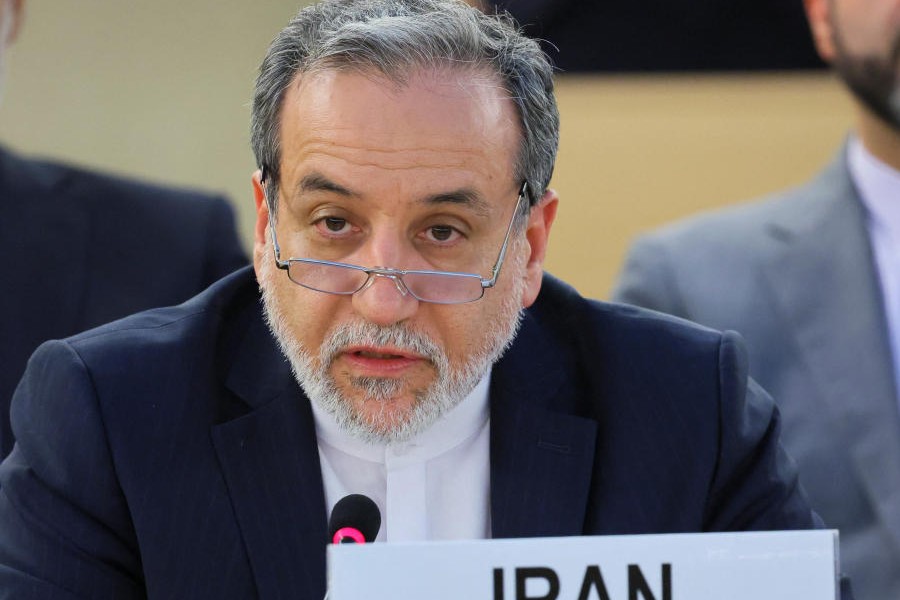
What is common to Gambia, Malawi, Mozambique, Nepal, Russia, Tanzania and India? They have all been perceived as equally corrupt in the public sector. Transparency International has published its Corruption Perception Index for 2004, featuring 146 out of the nearly 200 sovereign nations of the world. India ranks 91st, with a score of 2.8 on a scale of 10, where 0 is highly corrupt and 10 highly clean. In 2002, India was 2.7; so there is a sliver of improvement. Although 15 independent surveys of business people and country analysts, both resident and non-resident, have placed India between 2.6 and 3 this year. In terms of corruption, India ranks just below Iran and just above Algeria. Pakistan is 129th (score 2.1) with Iraq and Kenya, and Bangladesh 145th ? second last ? with a score of 1.5 and just a little less corrupt than Haiti, which hits the corruption rock-bottom. Finland is the cleanest of them all; Britain ranks 11th and the United States of America 17th.
Transparency International understands corruption to be the abuse of public office for private gain by both public officials and politicians. The index also does not distinguish between ?petty and grand corruption? ? that is, between bribery in the passport office and the kickbacks to secure oil tenders. In fact, the oil sector and international aid are the two principal spheres of corruption in the oil-rich and the developing nations. There is, of course, a fundamental connection between corruption and poverty, which is not so much the cause of corruption as a consequence of it. Corruption in large-scale public projects is a daunting obstacle to sustainable development, and results in a major loss of public funds needed for education, healthcare and poverty alleviation, both in developed and developing countries. Reconstructing Iraq or tackling HIV/AIDS in south Asia is as much about greed and the undermining of accountability as about humanitarianism.