New trend
Sir — The Big Fat Indian Wedding is often just a display of wealth. But that seems to be changing. For instance, a couple in Kanpur adopted 11 orphans and pledged to fund their lifelong education on their wedding. Another couple in Idukki turned their celebration into a lifeline by donating all their wedding gifts to aid the victims of the Wayanad landslides. There has also been a rise in zero-waste wedding ceremonies. Contrary to the popular perception of the younger generation being self-absorbed, these new-age couples are trying to clean up the mess left behind by their predecessors.
Shinjan Bera,
Durgapur
Poisoned sip
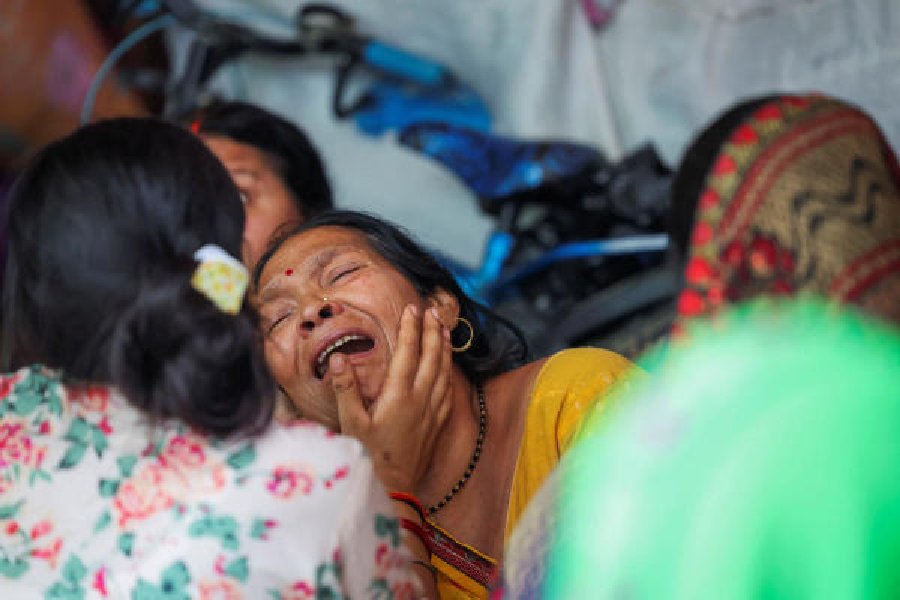
Sir — Contaminated tap water has resulted in several deaths and led many people to fall ill in Indore. This is a clear indication of loopholes in the municipal infrastructure of what is supposed to be the cleanest city in India. The ruling party in the state must ensure that citizens have access to clean, potable water. The municipality must pull up its socks.
Nadim Turki,
Amroha, Uttar Pradesh
Sir — That hundreds of people fell ill and a few died due to contaminated tap water in Indore demands immediate action from the authorities. The latter have banned the use of tap water in affected areas. Continuous chlorination, regular laboratory testing with public disclosure of results, and phased repair of old pipelines are crucial. If repair is not carried out, such tragedies will recur.
Muhammad Asad,
Damrubar, Uttar Pradesh
Wrongful denial
Sir — A Kashmiri Muslim woman was recently denied a rented flat in Delhi because she wears the hijab. This is perplexing. Housing is a basic necessity, not a favour granted on conditions. Asking a woman to remove her hijab in exchange for accommodation violates her right to religious freedom and dignity. A city that claims to be inclusive cannot justify such exclusion as ‘personal preference’. In a democratic and secular country like India, citizens must uphold and respect each other’s values. Society must rise above religion.
Md. Hammad,
Mumbai
Dual city
Sir — Calcutta is like an old song that everyone knows the lyrics to. People can eat biryani and bhog with equal devotion, pauses for adda even on hurried mornings, and listens to new music with an open heart. People stay back in the city not for ease but for the sense of belonging. Yet, now the city is coughing under grey skies and stumbling over litter. These days, Calcuttans celebrate pluralism but neglect access, taste street food but breathe poison, cherish culture but do not invest in learning. Calcutta does not need reinvention, but care.
K. Chidanand Kumar,
Bengaluru
Steep rise
Sir — The Indian government is increasing excise duty on tobacco products, making cigarettes and other tobacco items more expensive from February 1, 2026, with new specific duties ranging from Rs 2,050 to Rs 8,500 per 1,000 sticks, depending on length, on top of the 40% goods and services tax. The decision is expected to impact nearly 10 crore smokers across India. The legislative groundwork for these changes was laid in December when Parliament passed two bills enabling the imposition of the health and national security cess on pan masala manufacturers and the levying of excise duty on tobacco products. One hopes this will curb tobacco dependence in the country.
Bhagwan Thadani,
Mumbai
Sir — The rise in GST is likely to push smokers towards cheaper alternatives like bidis, which are more harmful for health.
Sunandita Ghosh,
Calcutta