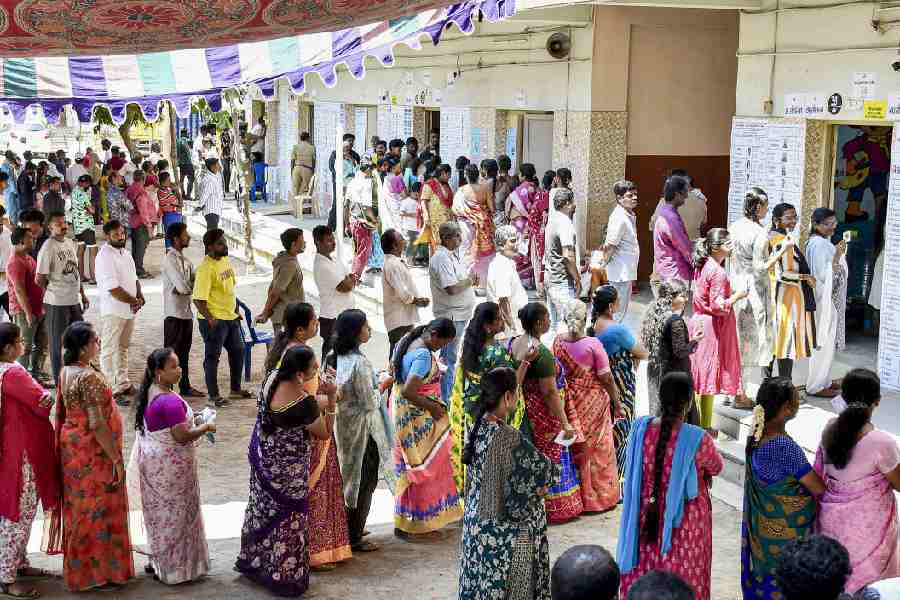
India is a democracy of a specific kind. It is an indirect democracy. The other form of democracy, the direct kind, in which every citizen participates directly in all decision-making, was known to exist in ancient Athens, but most modern variants of it — like in Switzerland — have been abandoned. In India, it has had a revival in the Raigad district of Maharashtra where a referendum has taken place on the special economic zone proposed by Reliance Industries. The referendum covers 22 villages whose inhabitants have grave reservations about parting with their land despite the compensation being offered. This referendum is an exercise in direct democracy, since all the people who stand to lose their land because of the project are being asked to vote. There is no other issue save this, and unlike in an election the people are not voting for a person or a party, but saying aye or nay on just one given issue. The experiment is unique, and it marks a radical departure from the principles of indirect democracy.
The experiment induces a degree of scepticism. For one thing, an extension of this experiment could lead to a complete stoppage of all industrialization projects. All industrial units need a certain amount of land, and this land can only come from people who own and use the land. Some degree of disaffection is embedded and inevitable in the process. But if this disaffection is always to be reckoned with through direct democracy, the overall consequences for the community and the economy may not be beneficial. Any democracy has inherent within it the contradiction between the individual and the collective. The collective is allowed to prevail in a democracy, but in an indirect democracy it does so through elected bodies and not through referendums. If the logic of referendums is accepted, the question could be asked about the use of this instrument only in the case of land disputes. It should be used logically for all issues. This would, of course, lead to a complete collapse of governance. When the Maharashtra government decided to conduct a referendum on the SEZ, it actually took the soft option. As the elected chief minister of Maharashtra, Vilasrao Deshmukh has to decide if his government is in favour of industrialization or not. If it is, he needs to put in place the necessary conditions for industries to begin and flourish instead of abdicating responsibility.